Home Products Daily Chemicals Paeoniflorin CAS# 23180-57-6
Paeoniflorin CAS# 23180-57-6
Factory Direct

Paeoniflorin CAS# 23180-57-6

Peony is the dried root of the perennial herbaceous plant Paeoniaceae in the Paeoniaceae family. It is bitter, sour and slightly cold. It returns to the liver and spleen meridians. It has the functions of calming the liver and relieving pain, nourishing blood and regulating menstruation, astringing yin and stopping sweating. It is used for headaches, dizziness, rib pain, abdominal pain, cramps and pain in limbs, blood deficiency and chlorosis, irregular menstruation, spontaneous perspiration, and night sweats. Paeoniflorin is the main functional component of peony. It is an important physiologically active substance with anti-inflammatory effects, immune system effects, liver protection effects, analgesic effects, etc.

Factory Inspected
Direct Shipping
Tripartite Contract

Product Description

Peony is the dried root of the perennial herbaceous plant Paeoniaceae in the Paeoniaceae family. It is bitter, sour and slightly cold. It returns to the liver and spleen meridians. It has the functions of calming the liver and relieving pain, nourishing blood and regulating menstruation, astringing yin and stopping sweating. It is used for headaches, dizziness, rib pain, abdominal pain, cramps and pain in limbs, blood deficiency and chlorosis, irregular menstruation, spontaneous perspiration, and night sweats.

Paeoniflorin is the main functional component of peony. It is an important physiologically active substance with anti-inflammatory effects, immune system effects, liver protection effects, analgesic effects, etc.

Description

Paeoniflorin CAS# 23180-57-6

Paeoniflorin Basic information
Product Name: Paeoniflorin
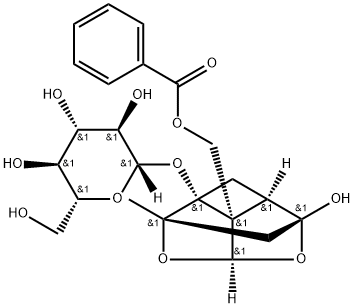
Synonyms: 5beta-[(benzoyloxy)methyl]tetrahydro-5-hydroxy-2-methyl-2,5-methano-1h-3,4-dioxacyclobuta[cd]pentalen-1alpha(2h)-yl-beta-d-glucopyranoside;PAEONIFLORIN;5-alpha,5a-alpha,5b-alpha))-a-alph;5-methano-1h-3,4-dioxacyclobuta(cd)pentalen-1a(2h)-yl,(1ar-(1a-alpha,2-beta,3;White Peony Root P.E.;??-d-Glucopyranoside, 5b-[(benzoyloxy)methyl]tetrahydro-5-hydroxy-2-methyl-2,5-methano-1H-3,4-dioxacyclobuta[cd]pentalen-1a(2H)-yl, [1aR-(1a??,2??,3a??,5??,5a??,5b??)]-;beta.-d-Glucopyranoside, 5b-[(benzoyloxy)methyl]tetrahydro-5-hydroxy-2-methyl-2,5-methano-1H-3,4-dioxacyclobuta[cd]pentalen-1a(2H)-yl, [1aR-(1a.alpha.,2.beta.,3a.alpha.,5.alpha.,5a.alpha.,5b.alpha.)];Paeonia lactiflora P.E.
CAS: 23180-57-6
MF: C23H28O11
MW: 480.47
EINECS: 245-476-2
Product Categories: Heterocycles;Natural Plant Extract;The group of Paeoniflorin;Steroids;API’s;Veterinaries;Inhibitors;Plant extract;reference substance;chemical reagent;pharmaceutical intermediate;phytochemical;reference standards from Chinese medicinal herbs (TCM).;standardized herbal extract
Mol File: 23180-57-6.mol
Paeoniflorin Structure
Paeoniflorin Chemical Properties
Melting point approximate 124?? (dec.)
Boiling point 498.51??C (rough estimate)
density 1.3044 (rough estimate)
refractive index 1.5376 (estimate)
storage temp. 2-8??C
solubility Methanol (Slightly, Sonicated), Pyridine (Slightly)
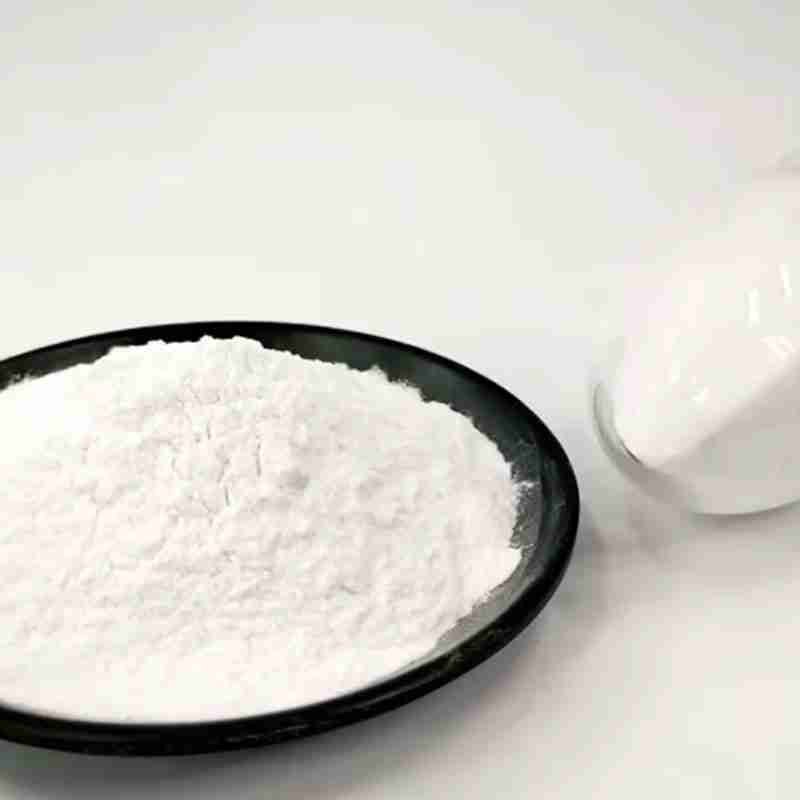
form powder
pka 11.52??0.70(Predicted)
color white
InChIKey YKRGDOXKVOZESV-WRJNSLSBSA-N
CAS DataBase Reference 23180-57-6(CAS DataBase Reference)
Safety Information
Safety Statements 24/25
WGK Germany 3
RTECS RT1200000
HS Code 29389090
Toxicity LD50 ipr-mus: 9530 mg/kg YKKZAJ 89,879,69

Request a Quote

Get factory-direct pricing within 24 hours

Submitting...

We'll respond within 24 hours

Related Products

More products from the same category

Polyhexamethyleneguanidine hydrochloride CAS#57028-96-3
Daily Chemicals

Polyhexamethyleneguanidine hydrochloride CAS#57028-96-3

Polyhexamethylene guanidine hydrochloride, often abbreviated as PHMG-HCl, is a high molecular weight polymeric biguanide compound known for its potent antimicrobial properties. With a chemical structure that features a long chain of methylene groups bridged by guanidine units, PHMG-HCl is effective against a broad spectrum of microorganisms, including bacteria, viruses, and fungi. This hydrochloride salt form of PHMG is highly soluble in water and is commonly used in various applications due to its non-irritant and non-toxic nature to human skin and mucous membranes. It is widely recognized for its ability to form a colorless and odorless solution, making it an ideal choice for use in personal care products, medical disinfectants, and water treatment processes. The versatility of PHMG-HCl lies in its cationic nature, which allows it to bind to negatively charged microbial cell walls, disrupting their integrity and leading to cell death. This mechanism of action contributes to its effectiveness as a preservative and disinfectant. Moreover, its substantivity, or the ability to adhere to surfaces, enhances its long-lasting antimicrobial activity. <p class="last-node">In summary, Polyhexamethylene guanidine hydrochloride is a reliable and efficient antimicrobial agent, pivotal in industries where hygiene and cleanliness are paramount, offering a safe and sustainable solution for microbial control.</p>

View Details Factory Direct
Vitamin A Palmitate CAS# 79-81-2
Daily Chemicals

Vitamin A Palmitate CAS# 79-81-2

Vitamin A ester derivatives mainly refer to its alkyl acid esters, such as vitamin A acetate, vitamin A palmitate, etc. Due to the instability of vitamin A, commercial vitamin A is available in the form of its ester. However, vitamin A acetate easily absorbs water and gets damp, while vitamin A palmitate is more stable than vitamin A acetate. Vitamin A, commonly known as retinol, is an unsaturated monohydric alcohol with an ester ring. It is a yellow flaky crystal or crystalline powder. It is a fat-soluble vitamin. It is insoluble in water and glycerol, and soluble in alcohol, ether, hydrocarbon, Most organic solvents such as halogenated hydrocarbons. Retinol palmitate is an ester of retinol combined with palmitic acid, a saturated fatty acid that is the main component of palm oil. Retinyl palmitate is easily absorbed by the skin and then converted into retinol. It is a yellow or yellow-red solid or oily substance.

View Details Factory Direct
Decyl glucoside CAS#68515-73-1
Daily Chemicals

Decyl glucoside CAS#68515-73-1

Decyl glucoside, scientifically known as ??-D-Glucopyranoside, is a non-ionic surfactant derived from renewable resources, such as glucose and fatty alcohols. It is a biodegradable and mild alternative to traditional surfactants, making it a preferred choice for eco-friendly and sensitive skin formulations. This compound is characterized by its ability to form stable emulsions and foams, which are essential properties in a variety of applications, including personal care products and household cleaning agents. Decyl glucoside is valued for its low irritation potential and excellent skin compatibility, making it suitable for use in baby care and cosmetic products. Chemically, decyl glucoside features a hydrophilic head and a hydrophobic tail, allowing it to effectively reduce surface tension and solubilize oils in water. Its mildness and biodegradability contribute to its use in formulations that require gentle cleansing without compromising the integrity of the skin's natural barrier. <p class="last-node">In summary, decyl glucoside is a versatile and sustainable surfactant that offers a balance of performance and safety. Its eco-friendly profile and compatibility with sensitive skin types make it an ideal ingredient for a wide range of personal care and cleaning products.</p>

View Details Factory Direct
Imidazolidine CAS#504-74-5
Daily Chemicals

Imidazolidine CAS#504-74-5

Imidazolidine is a versatile heterocyclic amine compound, prized for its chemical stability and reactivity in synthesis processes. Widely utilized as a key intermediate in pharmaceuticals, agrochemicals, and various chemical formulations, it offers a reliable foundation for developing innovative products.

View Details Factory Direct
Our Process

How BuyChemCN Works

1
Submit Demand
2
Match Factory
3
Send Sample
4
Confirm & Sign
5
Production
6
Direct Delivery