Home Products Daily Chemicals Polyhexamethyleneguanidine hydrochloride CAS#57028-96-3
Polyhexamethyleneguanidine hydrochloride CAS#57028-96-3
Factory Direct

Polyhexamethyleneguanidine hydrochloride CAS#57028-96-3

Polyhexamethylene guanidine hydrochloride, often abbreviated as PHMG-HCl, is a high molecular weight polymeric biguanide compound known for its potent antimicrobial properties. With a chemical structure that features a long chain of methylene groups bridged by guanidine units, PHMG-HCl is effective against a broad spectrum of microorganisms, including bacteria, viruses, and fungi. This hydrochloride salt form of PHMG is highly soluble in water and is commonly used in various applications due to its non-irritant and non-toxic nature to human skin and mucous membranes. It is widely recognized for its ability to form a colorless and odorless solution, making it an ideal choice for use in personal care products, medical disinfectants, and water treatment processes. The versatility of PHMG-HCl lies in its cationic nature, which allows it to bind to negatively charged microbial cell walls, disrupting their integrity and leading to cell death. This mechanism of action contributes to its effectiveness as a preservative and disinfectant. Moreover, its substantivity, or the ability to adhere to surfaces, enhances its long-lasting antimicrobial activity. <p class="last-node">In summary, Polyhexamethylene guanidine hydrochloride is a reliable and efficient antimicrobial agent, pivotal in industries where hygiene and cleanliness are paramount, offering a safe and sustainable solution for microbial control.</p>

Factory Inspected
Direct Shipping
Tripartite Contract

Product Description

Polyhexamethylene guanidine hydrochloride, often abbreviated as PHMG-HCl, is a high molecular weight polymeric biguanide compound known for its potent antimicrobial properties. With a chemical structure that features a long chain of methylene groups bridged by guanidine units, PHMG-HCl is effective against a broad spectrum of microorganisms, including bacteria, viruses, and fungi.

This hydrochloride salt form of PHMG is highly soluble in water and is commonly used in various applications due to its non-irritant and non-toxic nature to human skin and mucous membranes. It is widely recognized for its ability to form a colorless and odorless solution, making it an ideal choice for use in personal care products, medical disinfectants, and water treatment processes.

The versatility of PHMG-HCl lies in its cationic nature, which allows it to bind to negatively charged microbial cell walls, disrupting their integrity and leading to cell death. This mechanism of action contributes to its effectiveness as a preservative and disinfectant. Moreover, its substantivity, or the ability to adhere to surfaces, enhances its long-lasting antimicrobial activity.

In summary, Polyhexamethylene guanidine hydrochloride is a reliable and efficient antimicrobial agent, pivotal in industries where hygiene and cleanliness are paramount, offering a safe and sustainable solution for microbial control.

Description

Polyhexamethyleneguanidine hydrochloride Chemical Properties
Melting point >222??C (sub.)
storage temp. Refrigerator, Under inert atmosphere
solubility DMSO (Soluble, Heated), Water (Slightly)
form Solid
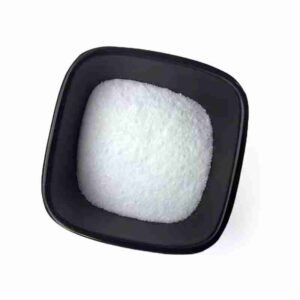
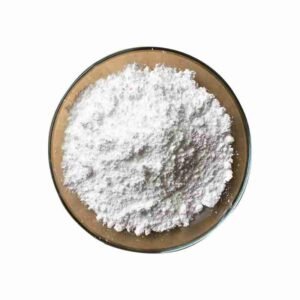
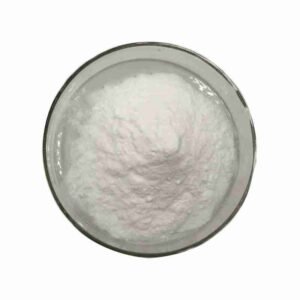
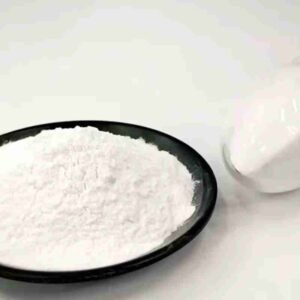
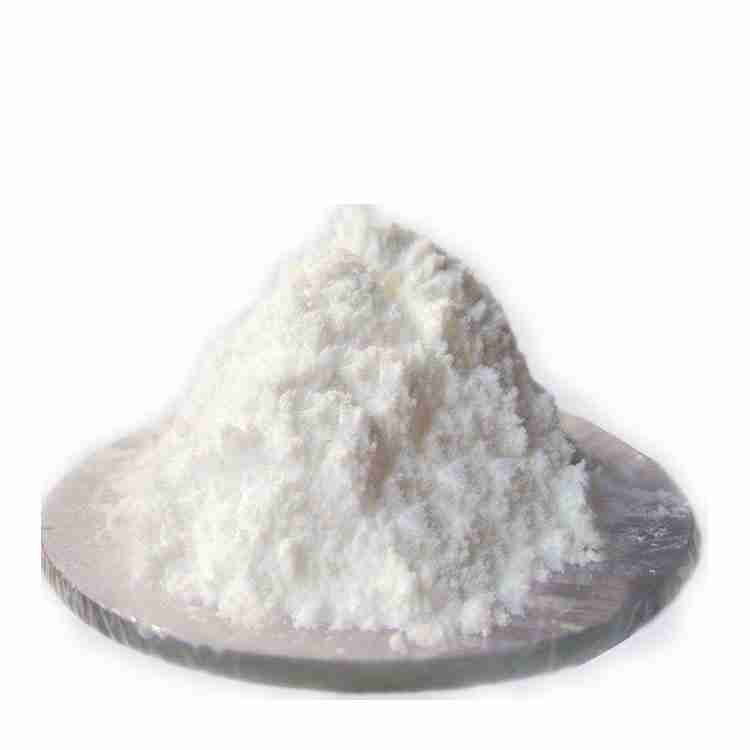
color White to Off-White
CAS DataBase Reference 57028-96-3(CAS DataBase Reference)
Polyhexamethyleneguanidine hydrochloride Usage And Synthesis
Description Polyhexamethylene guanidine?(PHMG) is a?guanidine?derivative that is used as a?biocidal?disinfectant, often in the form of its?salt?polyhexamethylene guanidine phosphate?(PHMG-P).
Uses Polyhexamethyleneguanidine Hydrochloride is an Ophthalmic compound containing Phenylephrine. Polyhexamethyleneguanidine Hydrochloride is an antibacterial agent; used in preparation method of multifuctional flame-retardant Polyester fabric.
Toxicity Preliminary findings indicate that PHMG and its derivatives primarily rely on damaging the?cell membrane?by inhibiting the activity of cellular?dehydrogenases.When PHMG is aerosolized and inhaled, it harms the lungs, causing death of the cells lining the?bronchioles?and widespread damage to?alveoli, along with?bronchiolitis obliterans,an often fatal form of non-reversible obstructive?lung?disease in which the bronchiole are compressed and narrowed by?fibrosis?(scar tissue) and/or?inflammation.
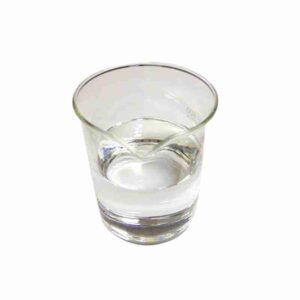
Chemical Properties Colorless to pale yellow solution
Application The polymer structure of polyhexamethyleneguanidine hydrochloride (PHGC) reduces its toxicity. However, the sterilization effect is more excellent, and it has been widely used in various fields such as medical and health institutions, family life, food industry and animal husbandry.

Request a Quote

Get factory-direct pricing within 24 hours

Submitting...

We'll respond within 24 hours

Related Products

More products from the same category

Ammonium sulfamate CAS#7773-06-0
Daily Chemicals

Ammonium sulfamate CAS#7773-06-0

Ammonium sulfamate is a white crystalline compound with the chemical formula (NH4)2SO3. It is a versatile chemical used in various applications, including as a flame retardant, a fertilizer ingredient, and a chemical intermediate. In the agricultural sector, it serves as a source of nitrogen, promoting plant growth. As a flame retardant, it is effective in reducing the flammability of materials. Additionally, it is used in the synthesis of other chemicals due to its reactivity with amines and other organic compounds. Its properties make it a valuable component in a range of industrial processes.

View Details Factory Direct
Isothiazolinones CAS#26172-55-4
Daily Chemicals

Isothiazolinones CAS#26172-55-4

Isothiazolinones are a class of broad-spectrum, highly effective fungicides and biocides, composed of 5-chloro-2-methyl-4-thiazoline-3-one (CMI) and 2-methyl-4-thiazoline-3-one (MI). These compounds are recognized for their rapid action against microbes, inhibiting their growth upon contact and leading to cell death <span class="ragTag___IXxub"><span class="refIndex___iN7ZN ragIndex___HYxyx">9</span></span>. They are characterized by high biocidal efficiency, good degradation, no residual, safe operation, compatibility, stabilization, and low operational costs <span class="ragTag___IXxub"><span class="refIndex___iN7ZN ragIndex___HYxyx">9</span></span>. Isothiazolinones are used in various industrial applications, including cooling water systems and wastewater treatment in fields such as oil, papermaking, pesticides, cutting oils, leather, detergents, and cosmetics. They are compatible with chlorine and most cationic, anionic, and non-ionic surfactants, and at higher dosages, they exhibit excellent bio-sludge stripping effects <span class="ragTag___IXxub"><span class="refIndex___iN7ZN ragIndex___HYxyx">9</span></span>. <p class="last-node">The active content in Isothiazolinones-based products typically ranges from 1.5% to 15%, with a pH value between 1.0 and 5.0, depending on the grade. They are available in various forms such as transparent liquids and are packaged in quantities that can be tailored to specific industrial needs <span class="ragTag___IXxub"><span class="refIndex___iN7ZN ragIndex___HYxyx">10</span></span>. Safety precautions are essential when handling Isothiazolinones due to their corrosive nature; they should not come into contact with skin or eyes, and protective equipment is recommended during use</p>

View Details Factory Direct
N,N-Diethyl-m-toluamide CAS#134-62-3
Daily Chemicals

N,N-Diethyl-m-toluamide CAS#134-62-3

N,N-Diethyl-m-toluamide, commonly known as DEET, is a widely recognized synthetic compound that serves as the active ingredient in numerous insect repellent products. DEET is characterized by its efficacy in deterring and repelling a variety of insects, including mosquitoes, ticks, and flies, which are known vectors for diseases such as malaria, Lyme disease, and Zika virus. Chemically, DEET is an amide with the molecular formula C12H19NO. It was first developed in 1946 and has since become the benchmark against which other insect repellents are measured. DEET works by targeting the olfactory receptors of insects, masking the scent of humans and animals, which are typically attractive to these pests. This compound is valued for its long-lasting protection and stability under various environmental conditions. It is available in various formulations, including sprays, lotions, and creams, and can be applied topically to skin or clothing. DEET is also known for its compatibility with other active ingredients, allowing for the development of multi-purpose products. <p class="last-node">In summary, DEET is a reliable and effective insect repellent, widely used for its ability to provide durable protection against disease-carrying insects. Its chemical properties and formulation flexibility make it a staple in the field of personal insect protection.</p>

View Details Factory Direct
Paeoniflorin CAS# 23180-57-6
Daily Chemicals

Paeoniflorin CAS# 23180-57-6

Peony is the dried root of the perennial herbaceous plant Paeoniaceae in the Paeoniaceae family. It is bitter, sour and slightly cold. It returns to the liver and spleen meridians. It has the functions of calming the liver and relieving pain, nourishing blood and regulating menstruation, astringing yin and stopping sweating. It is used for headaches, dizziness, rib pain, abdominal pain, cramps and pain in limbs, blood deficiency and chlorosis, irregular menstruation, spontaneous perspiration, and night sweats. Paeoniflorin is the main functional component of peony. It is an important physiologically active substance with anti-inflammatory effects, immune system effects, liver protection effects, analgesic effects, etc.

View Details Factory Direct
Our Process

How BuyChemCN Works

1
Submit Demand
2
Match Factory
3
Send Sample
4
Confirm & Sign
5
Production
6
Direct Delivery