Home Products Daily Chemicals Petrolatum CAS# 8009-03-8
Petrolatum CAS# 8009-03-8
Factory Direct

Petrolatum CAS# 8009-03-8

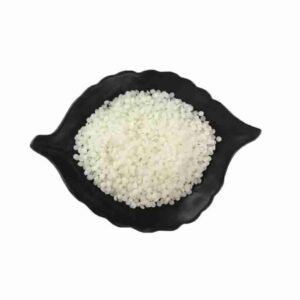
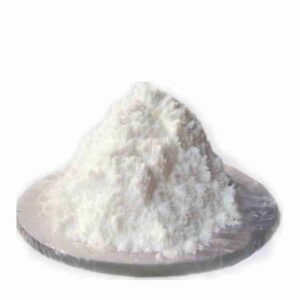
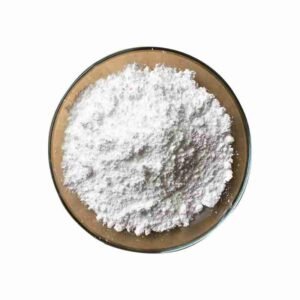
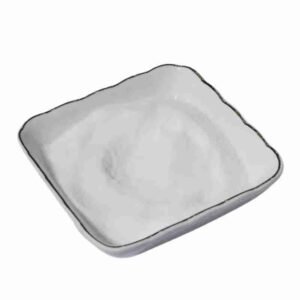
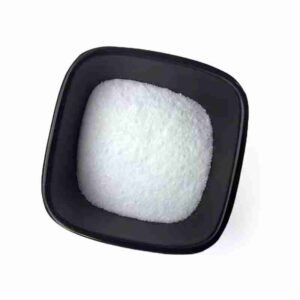
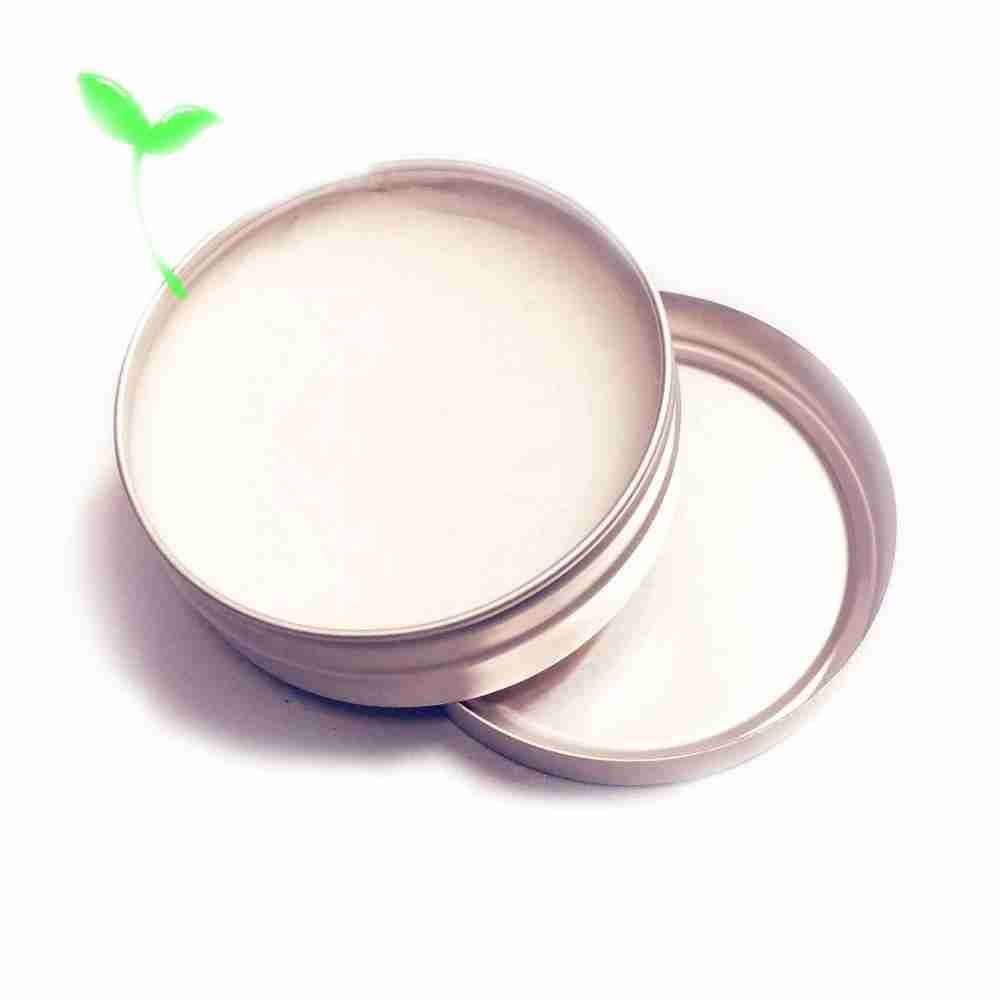
Petrolatum(Vaseline) is a petroleum grease made by mixing residual wax paste with lubricating oil and then refining it. It is an important lubricant for medicine, daily chemicals, fine chemical raw materials and precision instruments. my country??s petroleum jelly products are mainly concentrated on medical petroleum jelly, which is divided into two types: medical white petroleum jelly and medical yellow petroleum jelly. Medical petroleum jelly is mainly used to prepare ointments, skin protection ointments and cosmetic raw materials. It can also be used as anti-rust lubricating materials for medical equipment and precision instruments. White or slightly yellow homogeneous paste, almost odorless and tasteless, is a mixture of liquid and solid paraffin hydrocarbons. The relative density is 0.815~0.830, the viscosity is 0.01~0.02Pa??s (100??), the flash point is greater than 190?? (open type), and the dropping point is about 37~54??. Easily soluble in ether, petroleum ether, various fatty oils, benzene, carbon disulfide, chloroform and turpentine, insoluble in ethanol and almost insoluble in water. It becomes a transparent liquid when heated and can fluoresce in the dark after being irradiated with ultraviolet rays.

Factory Inspected
Direct Shipping
Tripartite Contract

Product Description

Petrolatum(Vaseline) is a petroleum grease made by mixing residual wax paste with lubricating oil and then refining it. It is an important lubricant for medicine, daily chemicals, fine chemical raw materials and precision instruments. my country??s petroleum jelly products are mainly concentrated on medical petroleum jelly, which is divided into two types: medical white petroleum jelly and medical yellow petroleum jelly. Medical petroleum jelly is mainly used to prepare ointments, skin protection ointments and cosmetic raw materials. It can also be used as anti-rust lubricating materials for medical equipment and precision instruments.

White or slightly yellow homogeneous paste, almost odorless and tasteless, is a mixture of liquid and solid paraffin hydrocarbons. The relative density is 0.815~0.830, the viscosity is 0.01~0.02Pa??s (100??), the flash point is greater than 190?? (open type), and the dropping point is about 37~54??. Easily soluble in ether, petroleum ether, various fatty oils, benzene, carbon disulfide, chloroform and turpentine, insoluble in ethanol and almost insoluble in water. It becomes a transparent liquid when heated and can fluoresce in the dark after being irradiated with ultraviolet rays.

Description

Petrolatum CAS# 8009-03-8

Petrolatum Basic information
Summary?Performance?Uses?Production?Distinguishing test?Toxicity?Utilization limit?Chemical properties?Uses
Product Name: Petrolatum
Synonyms: protopet,alba;protopet,white1s;protopet,white2l;PETROLEUM WAX;PETROLATUM;PETROLATUM, WHITE;PETROLATUM, YELLOW;PARAFFIN LIQUID (HEAVY)
CAS: 8009-03-8
MF: C15H15N
MW: 209.2863
EINECS: 232-373-2
Product Categories: UVCBs-organic
Mol File: 8009-03-8.mol
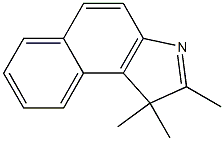
Petrolatum Structure
Petrolatum Chemical Properties
Melting point 70-80???C ((ASTM D 127))
Boiling point 322 ??C
density 0.84
refractive index n20/D?1.45
Fp 198 ??C
storage temp. Sealed in dry,Room Temperature
solubility Practically insoluble in acetone, ethanol, hot or cold ethanol (95%), glycerin, and water; soluble in benzene, carbon disulfide, chloroform, ether, hexane, and most fixed and volatile oils.
form extra-low viscosity oil
color white
Specific Gravity 0.815??0.880 (60??)
PH pH (25??) : 4.5??8.0
Odor Odorless
Water Solubility Insoluble in water
Dielectric constant 2.0??Ambient??
Stability: Stable. Combustible. Incompatible with strong oxidizing agents.
EPA Substance Registry System Petrolatum (8009-03-8)
Safety Information
Hazard Codes T
Risk Statements 45
Safety Statements 24/25-45-53
WGK Germany 3
RTECS RV0350000
HS Code 27121000
Hazardous Substances Data 8009-03-8(Hazardous Substances Data)

Request a Quote

Get factory-direct pricing within 24 hours

Submitting...

We'll respond within 24 hours

Related Products

More products from the same category

Lactobionic Acid CAS# 96-82-2
Daily Chemicals

Lactobionic Acid CAS# 96-82-2

Lactobionic acid (C12H22O12) is a disaccharide obtained from the oxidation of lactose. Chemically, Lactobionic acid is made up of a galactose moiety that is bonded to a gluconic acid molecule through an ether-like bond. The compound can be dehydrated to a lactone. Lactobionic acid is widely used in the chemical, food and pharmaceutical industries due to its chelating, emulsifying, humectant and chelating properties. Lactobionic acid and its constituent salts are essential as food additives due to excellent solubility, good taste, and health-promoting aspects. The compound may also be essential in the synthesis of targetable and biocompatible drug delivery systems.  

View Details Factory Direct
LAURIC ACID MONOETHANOLAMIDE CAS#142-78-9
Daily Chemicals

LAURIC ACID MONOETHANOLAMIDE CAS#142-78-9

Lauric Acid Monoethanolamide is a chemical compound derived from lauric acid, a saturated fatty acid found in coconut oil and palm kernel oil. It is commonly used as an emulsifier and surfactant in various industrial applications, including the production of personal care products, detergents, and lubricants. This compound enhances the stability and texture of formulations, making it an essential ingredient for creating smooth, homogenous mixtures. Its properties contribute to improved product performance and consumer satisfaction.

View Details Factory Direct
N,N-Diethyl-m-toluamide CAS#134-62-3
Daily Chemicals

N,N-Diethyl-m-toluamide CAS#134-62-3

N,N-Diethyl-m-toluamide, commonly known as DEET, is a widely recognized synthetic compound that serves as the active ingredient in numerous insect repellent products. DEET is characterized by its efficacy in deterring and repelling a variety of insects, including mosquitoes, ticks, and flies, which are known vectors for diseases such as malaria, Lyme disease, and Zika virus. Chemically, DEET is an amide with the molecular formula C12H19NO. It was first developed in 1946 and has since become the benchmark against which other insect repellents are measured. DEET works by targeting the olfactory receptors of insects, masking the scent of humans and animals, which are typically attractive to these pests. This compound is valued for its long-lasting protection and stability under various environmental conditions. It is available in various formulations, including sprays, lotions, and creams, and can be applied topically to skin or clothing. DEET is also known for its compatibility with other active ingredients, allowing for the development of multi-purpose products. <p class="last-node">In summary, DEET is a reliable and effective insect repellent, widely used for its ability to provide durable protection against disease-carrying insects. Its chemical properties and formulation flexibility make it a staple in the field of personal insect protection.</p>

View Details Factory Direct
Decyl glucoside CAS#68515-73-1
Daily Chemicals

Decyl glucoside CAS#68515-73-1

Decyl Glucoside is an eco-friendly, non-ionic surfactant derived from renewable resources. Renowned for its mildness and biodegradability, it is ideal for creating gentle, high-performing cleaning agents in personal care and household products. Its sustainable and effective nature makes it a preferred choice for green formulations.

View Details Factory Direct
Our Process

How BuyChemCN Works

1
Submit Demand
2
Match Factory
3
Send Sample
4
Confirm & Sign
5
Production
6
Direct Delivery