Home Products Daily Chemicals Lanolin CAS#8006-54-0
Lanolin CAS#8006-54-0
Factory Direct

Lanolin CAS#8006-54-0

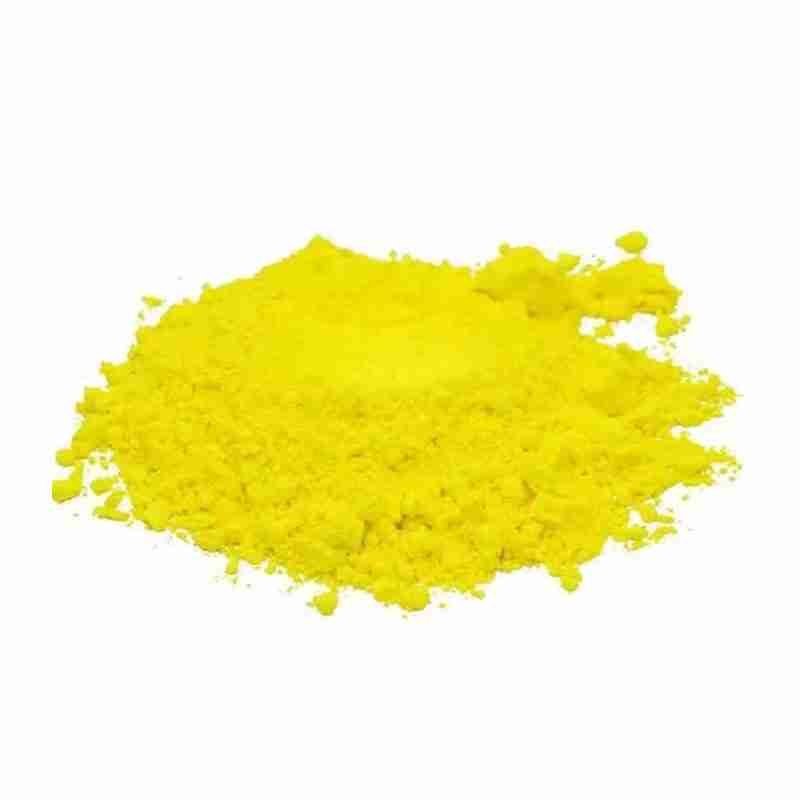
Category: Daily Chemicals Tag: Daily Chemicals Description Description Lanolin Chemical Properties Melting point 38-40 ??C density 0.932-0.945 g/cm3(Temp: 15 ??C) Fp 209 ??C storage temp. Sealed in dry,Room Temperature solubility chloroform: 0.1?g/mL, clear to faintly turbid (<29 NTU), strongly yellow-green form Adhering Crystals or Powder color White to yellow Odor Characteristic Water Solubility Soluble in […]

Factory Inspected
Direct Shipping
Tripartite Contract

Product Description

Lanolin Chemical Properties
Melting point 38-40 ??C
density 0.932-0.945 g/cm3(Temp: 15 ??C)
Fp 209 ??C
storage temp. Sealed in dry,Room Temperature
solubility chloroform: 0.1?g/mL, clear to faintly turbid (<29 NTU), strongly yellow-green
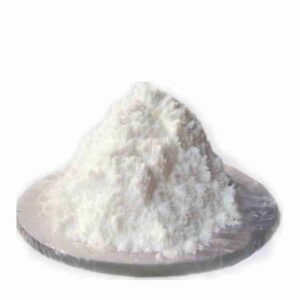
form Adhering Crystals or Powder
color White to yellow
Odor Characteristic
Water Solubility Soluble in ether, petroleum ether, chloroform and petroleum benzene. Sparingly soluble in ethanol. Insoluble in water.
Merck 14,5358
Dielectric constant 4.2??Ambient??
EPA Substance Registry System Lanolin (8006-54-0)
Safety Information
Safety Statements 24/25
WGK Germany 1
RTECS OE3201000
Autoignition Temperature 833 ??F
TSCA Yes
HS Code 15050000
Hazardous Substances Data 8006-54-0(Hazardous Substances Data)

Request a Quote

Get factory-direct pricing within 24 hours

Submitting...

We'll respond within 24 hours

Related Products

More products from the same category

Polyhexamethyleneguanidine hydrochloride CAS#57028-96-3
Daily Chemicals

Polyhexamethyleneguanidine hydrochloride CAS#57028-96-3

Polyhexamethylene guanidine hydrochloride, often abbreviated as PHMG-HCl, is a high molecular weight polymeric biguanide compound known for its potent antimicrobial properties. With a chemical structure that features a long chain of methylene groups bridged by guanidine units, PHMG-HCl is effective against a broad spectrum of microorganisms, including bacteria, viruses, and fungi. This hydrochloride salt form of PHMG is highly soluble in water and is commonly used in various applications due to its non-irritant and non-toxic nature to human skin and mucous membranes. It is widely recognized for its ability to form a colorless and odorless solution, making it an ideal choice for use in personal care products, medical disinfectants, and water treatment processes. The versatility of PHMG-HCl lies in its cationic nature, which allows it to bind to negatively charged microbial cell walls, disrupting their integrity and leading to cell death. This mechanism of action contributes to its effectiveness as a preservative and disinfectant. Moreover, its substantivity, or the ability to adhere to surfaces, enhances its long-lasting antimicrobial activity. <p class="last-node">In summary, Polyhexamethylene guanidine hydrochloride is a reliable and efficient antimicrobial agent, pivotal in industries where hygiene and cleanliness are paramount, offering a safe and sustainable solution for microbial control.</p>

View Details Factory Direct
Octyl 4-methoxycinnamate CAS#5466-77-3
Daily Chemicals

Octyl 4-methoxycinnamate CAS#5466-77-3

Octyl 4-methoxycinnamate, scientifically known as 2-Ethylhexyl 4-Methoxycinnamate, is a highly effective organic UV filter commonly used in the formulation of sunscreens and cosmetic products. This compound is renowned for its ability to absorb ultraviolet B (UVB) radiation, providing a reliable defense against the sun's harmful effects on the skin. Characterized by its chemical formula C19H28O3, Octyl 4-methoxycinnamate is a liquid ester that is readily soluble in organic solvents. It is valued for its photostability, which means it maintains its protective properties even after prolonged exposure to sunlight. This feature makes it an ideal ingredient for products designed to offer long-lasting sun protection. In addition to its UVB absorption capabilities, Octyl 4-methoxycinnamate is also appreciated for its compatibility with other UV filters, allowing for the creation of broad-spectrum sunscreens. It contributes to the development of formulations that are non-greasy and cosmetically elegant, suitable for a variety of skin types. <p class="last-node">As a key component in sun care products, Octyl 4-methoxycinnamate supports the skin's health by preventing sunburn, reducing the risk of skin cancer, and delaying the signs of photoaging. Its safety profile and efficacy make it a preferred choice in the personal care and dermatological industries for sun protection solutions.</p>

View Details Factory Direct
hexyl D-glucoside CAS#54549-24-5
Daily Chemicals

hexyl D-glucoside CAS#54549-24-5

Hexyl D-glucoside is a non-ionic, plant-based surfactant derived from renewable resources such as corn or potato starch. It is recognized for its excellent skin compatibility and mildness, making it a preferred choice for formulations in personal care products, especially those targeting sensitive skin. With its superior solubilizing and foaming capabilities, it enhances the sensory experience of the product without compromising its gentleness. Its eco-friendly profile and biodegradability also align with green chemistry principles, appealing to consumers seeking sustainable product options.

View Details Factory Direct
Vitamin A Palmitate CAS# 79-81-2
Daily Chemicals

Vitamin A Palmitate CAS# 79-81-2

Vitamin A ester derivatives mainly refer to its alkyl acid esters, such as vitamin A acetate, vitamin A palmitate, etc. Due to the instability of vitamin A, commercial vitamin A is available in the form of its ester. However, vitamin A acetate easily absorbs water and gets damp, while vitamin A palmitate is more stable than vitamin A acetate. Vitamin A, commonly known as retinol, is an unsaturated monohydric alcohol with an ester ring. It is a yellow flaky crystal or crystalline powder. It is a fat-soluble vitamin. It is insoluble in water and glycerol, and soluble in alcohol, ether, hydrocarbon, Most organic solvents such as halogenated hydrocarbons. Retinol palmitate is an ester of retinol combined with palmitic acid, a saturated fatty acid that is the main component of palm oil. Retinyl palmitate is easily absorbed by the skin and then converted into retinol. It is a yellow or yellow-red solid or oily substance.

View Details Factory Direct
Our Process

How BuyChemCN Works

1
Submit Demand
2
Match Factory
3
Send Sample
4
Confirm & Sign
5
Production
6
Direct Delivery