Home Products Daily Chemicals Lactobionic acid CAS#96-82-2
Lactobionic acid CAS#96-82-2
Factory Direct

Lactobionic acid CAS#96-82-2

Lactobionic acid is a naturally occurring, high molecular weight sugar acid derived from lactose, known for its multifaceted applications in the pharmaceutical and cosmetic industries. With the chemical formula C18H32O12, it is a reducing sugar that forms a component of the milk sugar lactose. This water-soluble compound is celebrated for its antioxidant and chelating properties, which make it an effective ingredient in skincare products, particularly for its ability to protect the skin from oxidative stress and environmental aggressors. Lactobionic acid is also recognized for its gentle exfoliating action, as it can help to remove dead skin cells and promote cell renewal without causing irritation. Moreover, its acidic nature contributes to its use as a pH adjuster in formulations, helping to maintain the skin's natural acid mantle. Lactobionic acid is also valued for its ability to complex with metal ions, providing stability to products and enhancing the performance of other active ingredients. <p class="last-node">In summary, lactobionic acid is a versatile ingredient in skincare, offering antioxidant benefits, promoting skin renewal, and providing a stable platform for product formulation. Its gentle yet effective properties make it suitable for a wide range of skin types and applications.</p>

Factory Inspected
Direct Shipping
Tripartite Contract

Product Description

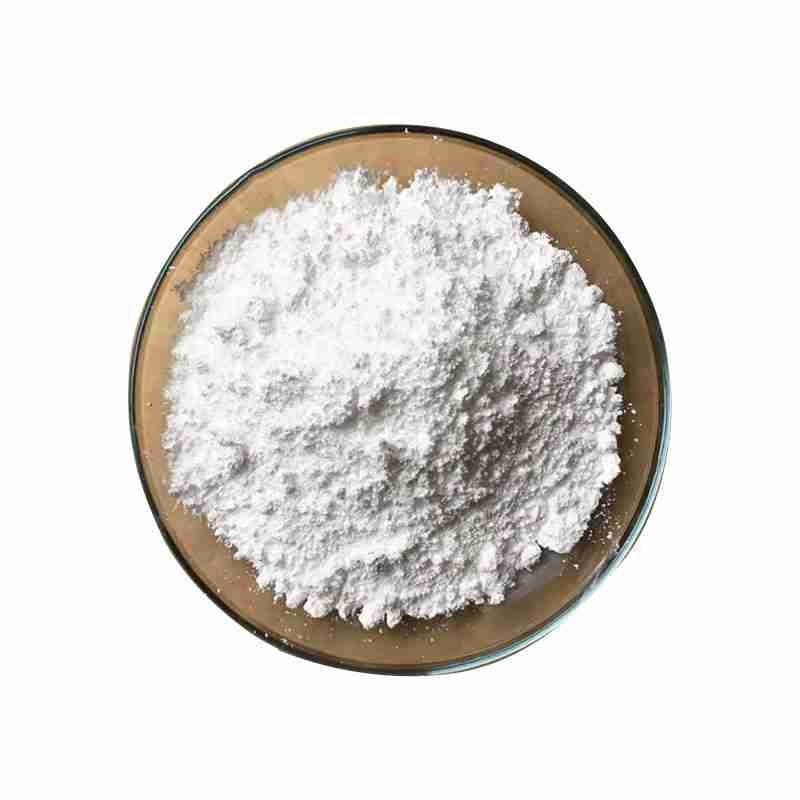
Lactobionic acid is a naturally occurring, high molecular weight sugar acid derived from lactose, known for its multifaceted applications in the pharmaceutical and cosmetic industries. With the chemical formula C18H32O12, it is a reducing sugar that forms a component of the milk sugar lactose.

This water-soluble compound is celebrated for its antioxidant and chelating properties, which make it an effective ingredient in skincare products, particularly for its ability to protect the skin from oxidative stress and environmental aggressors. Lactobionic acid is also recognized for its gentle exfoliating action, as it can help to remove dead skin cells and promote cell renewal without causing irritation.

Moreover, its acidic nature contributes to its use as a pH adjuster in formulations, helping to maintain the skin’s natural acid mantle. Lactobionic acid is also valued for its ability to complex with metal ions, providing stability to products and enhancing the performance of other active ingredients.

In summary, lactobionic acid is a versatile ingredient in skincare, offering antioxidant benefits, promoting skin renewal, and providing a stable platform for product formulation. Its gentle yet effective properties make it suitable for a wide range of skin types and applications.

Description

Lactobionic acid Chemical Properties
Melting point 113-118???C(lit.)
alpha 22.8 o (c=10, H2O)
Boiling point 410.75??C (rough estimate)
density 1.4662 (rough estimate)
refractive index 26 ?? (C=8.8, H2O)
storage temp. Inert atmosphere,Room Temperature
solubility 10 g/100 mL
pka 3.28??0.35(Predicted)
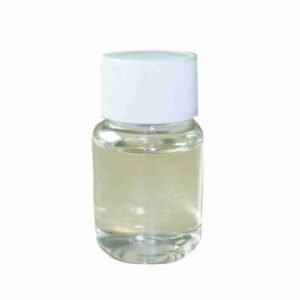
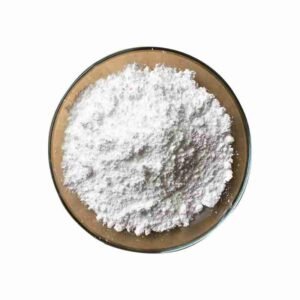
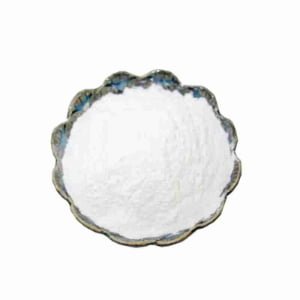
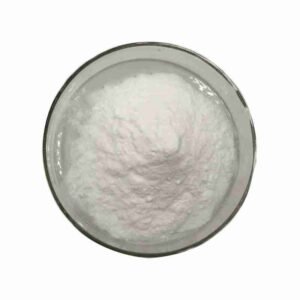
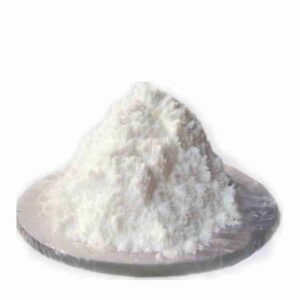
form Powder
color White to Off-white
optical activity [??]20/D +25??, c = 10 in H2O
Water Solubility 10 g/100 mL
Merck 5342
BRN 95054
LogP -3.848 (est)
CAS DataBase Reference 96-82-2(CAS DataBase Reference)
Safety Information
Hazard Codes Xi
Risk Statements 36/37/38
Safety Statements 24/25-36-26
WGK Germany 1
HS Code 29400000

Request a Quote

Get factory-direct pricing within 24 hours

Submitting...

We'll respond within 24 hours

Related Products

More products from the same category

Polyglutamic Acid CAS# 25513-46-6
Daily Chemicals

Polyglutamic Acid CAS# 25513-46-6

Polyglutamic acid (y-PGA), also known as natto gum, is a high molecular peptide polymer synthesized from several glutamic acid monomers through microbial fermentation. It is rich in glutamic acid, glucose, protein and minerals. , vitamins and other biologically active substances. Polyglutamic acid (??-PGA) is a sticky substance that was first discovered in ??Natto??. It is currently widely used in agricultural production and is called a new biostimulant. It is fully water-soluble, biodegradable, edible, and non-toxic. It is a biopolymer produced by microbial fermentation.

View Details Factory Direct
Ammonium sulfamate CAS#7773-06-0
Daily Chemicals

Ammonium sulfamate CAS#7773-06-0

Ammonium sulfamate is a white crystalline compound with the chemical formula (NH4)2SO3. It is a versatile chemical used in various applications, including as a flame retardant, a fertilizer ingredient, and a chemical intermediate. In the agricultural sector, it serves as a source of nitrogen, promoting plant growth. As a flame retardant, it is effective in reducing the flammability of materials. Additionally, it is used in the synthesis of other chemicals due to its reactivity with amines and other organic compounds. Its properties make it a valuable component in a range of industrial processes.

View Details Factory Direct
2-Methyl-4-isothiazolin-3-one CAS#2682-20-4
Daily Chemicals

2-Methyl-4-isothiazolin-3-one CAS#2682-20-4

2-Methyl-4-isothiazolin-3-one, commonly referred to as MI, is a potent, synthetic preservative widely used in the cosmetic and personal care industry. This organic compound, with the chemical formula C4H5NOS, is a member of the isothiazolinone family known for its broad-spectrum antimicrobial activity. MI is effective against a variety of microorganisms, including bacteria, yeasts, and molds, making it an ideal preservative for formulations that require protection from spoilage and contamination. It is particularly valued for its ability to provide long-lasting protection even at low concentrations. As a preservative, MI is recognized for its compatibility with a wide range of cosmetic ingredients and its ability to be used in leave-on and rinse-off products. Its stability in different pH ranges and resistance to heat and light further contribute to its utility in various formulations. <p class="last-node">In summary, 2-Methyl-4-isothiazolin-3-one is a reliable and efficient preservative, offering robust antimicrobial protection for a diverse array of products. Its versatility and effectiveness make it a preferred choice for maintaining the integrity and safety of cosmetic and personal care products.</p>

View Details Factory Direct
Polyhexamethyleneguanidine hydrochloride CAS#57028-96-3
Daily Chemicals

Polyhexamethyleneguanidine hydrochloride CAS#57028-96-3

Polyhexamethylene guanidine hydrochloride, often abbreviated as PHMG-HCl, is a high molecular weight polymeric biguanide compound known for its potent antimicrobial properties. With a chemical structure that features a long chain of methylene groups bridged by guanidine units, PHMG-HCl is effective against a broad spectrum of microorganisms, including bacteria, viruses, and fungi. This hydrochloride salt form of PHMG is highly soluble in water and is commonly used in various applications due to its non-irritant and non-toxic nature to human skin and mucous membranes. It is widely recognized for its ability to form a colorless and odorless solution, making it an ideal choice for use in personal care products, medical disinfectants, and water treatment processes. The versatility of PHMG-HCl lies in its cationic nature, which allows it to bind to negatively charged microbial cell walls, disrupting their integrity and leading to cell death. This mechanism of action contributes to its effectiveness as a preservative and disinfectant. Moreover, its substantivity, or the ability to adhere to surfaces, enhances its long-lasting antimicrobial activity. <p class="last-node">In summary, Polyhexamethylene guanidine hydrochloride is a reliable and efficient antimicrobial agent, pivotal in industries where hygiene and cleanliness are paramount, offering a safe and sustainable solution for microbial control.</p>

View Details Factory Direct
Our Process

How BuyChemCN Works

1
Submit Demand
2
Match Factory
3
Send Sample
4
Confirm & Sign
5
Production
6
Direct Delivery