Home Products Daily Chemicals Polyglutamic Acid CAS# 25513-46-6
Polyglutamic Acid CAS# 25513-46-6
Factory Direct

Polyglutamic Acid CAS# 25513-46-6

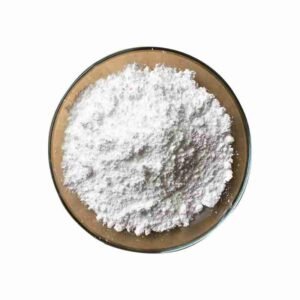
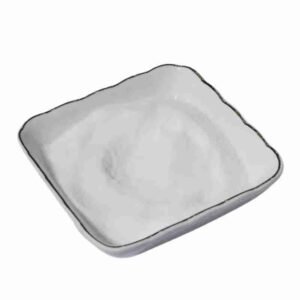
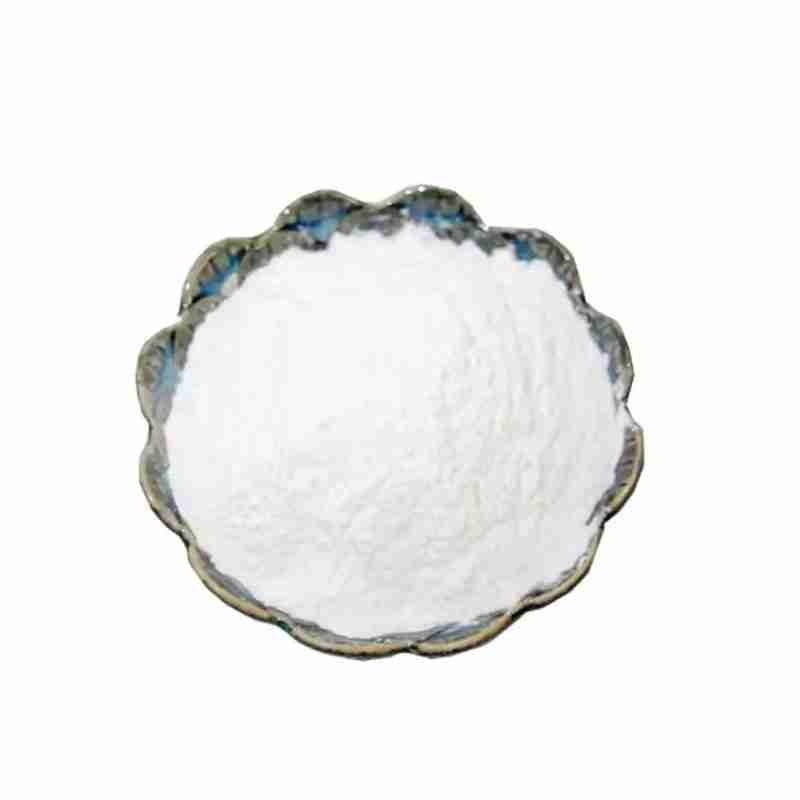
Polyglutamic acid (y-PGA), also known as natto gum, is a high molecular peptide polymer synthesized from several glutamic acid monomers through microbial fermentation. It is rich in glutamic acid, glucose, protein and minerals. , vitamins and other biologically active substances. Polyglutamic acid (??-PGA) is a sticky substance that was first discovered in ??Natto??. It is currently widely used in agricultural production and is called a new biostimulant. It is fully water-soluble, biodegradable, edible, and non-toxic. It is a biopolymer produced by microbial fermentation.

Factory Inspected
Direct Shipping
Tripartite Contract

Product Description

Polyglutamic acid (y-PGA), also known as natto gum, is a high molecular peptide polymer synthesized from several glutamic acid monomers through microbial fermentation. It is rich in glutamic acid, glucose, protein and minerals. , vitamins and other biologically active substances.

Polyglutamic acid (??-PGA) is a sticky substance that was first discovered in ??Natto??. It is currently widely used in agricultural production and is called a new biostimulant. It is fully water-soluble, biodegradable, edible, and non-toxic. It is a biopolymer produced by microbial fermentation.

Description

Polyglutamic Acid CAS# 25513-46-6

Polyglutamic acid Basic information
Product Name: Polyglutamic acid
Synonyms: POLY-L-GLUTAMIC ACID 15’000-50’000 SODIUM SALT;POLY-L-GLUTAMIC ACID 2’000-15’000;POLY-L-GLUTAMIC ACID 50’000-100’000 SODIUM SALT;L-GLU-(L-GLU)N-L-GLU;glutamicacidpolymer;POLY-L;gamma-poly(L-glutamic acid) macromolecule;G-poly glutamic acid
CAS: 25513-46-6
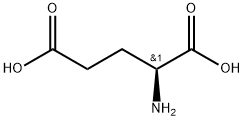
MF: C5H9NO4
MW: 147.13
EINECS: 200-293-7
Product Categories: Amino Acids;Homopolymers;Polyamino Acids;25513-46-6
Mol File: 25513-46-6.mol
Polyglutamic acid Structure
Polyglutamic acid Chemical Properties
storage temp. ?20??C
InChI InChI=1/C5H9NO4/c6-3(5(9)10)1-2-4(7)8/h3H,1-2,6H2,(H,7,8)(H,9,10)/t3-/s3
InChIKey WHUUTDBJXJRKMK-ZJPLZJKBNA-N
SMILES [C@@H](N)(C(=O)O)CCC(=O)O |&1:0,r|
Safety Information
WGK Germany 3
RTECS MA1700000
F 3-10

Request a Quote

Get factory-direct pricing within 24 hours

Submitting...

We'll respond within 24 hours

Related Products

More products from the same category

SODIUM ETHYL 2-SULFOLAURATE CAS#7381-01-3
Daily Chemicals

SODIUM ETHYL 2-SULFOLAURATE CAS#7381-01-3

Sodium Ethyl 2-Sulfolaurate is a surfactant with a unique combination of properties. It is an anionic compound, derived from the sulfonation of ethyl laurate, which is then neutralized with sodium hydroxide. This results in a product that is highly effective in lowering the surface tension of water, making it an excellent wetting agent and emulsifier. It is commonly used in personal care products, detergents, and industrial applications for its foaming and dispersing capabilities. As a mild and biodegradable ingredient, it is favored for its environmental and skin-friendly attributes, ensuring safety and performance in a variety of formulations.

View Details Factory Direct
Arbutin CAS#497-76-7
Daily Chemicals

Arbutin CAS#497-76-7

Arbutin, a derivative of hydroquinone, is a naturally occurring compound extracted primarily from the bearberry plant (Arctostaphylos uva-ursi). It is renowned in the skincare industry for its skin lightening properties, making it a popular ingredient in cosmetic products designed to reduce hyperpigmentation and even out skin tone. Chemically, arbutin is ??-glucosiduronic acid of hydroquinone, with the molecular formula C12H12O7. Its mechanism of action involves the inhibition of tyrosinase, a key enzyme in the melanin biosynthesis pathway. By reducing melanin production, arbutin effectively lightens the skin without the risk of irritation often associated with hydroquinone. Arbutin is valued for its safety profile, as it is considered less irritating and more stable compared to other skin lightening agents. It is also known for its antioxidant properties, which contribute to its skin brightening effects and overall skin health benefits. <p class="last-node">In summary, arbutin is a reliable and gentle alternative for skin lightening, offering a natural approach to reducing pigmentation issues while promoting a more radiant and even complexion. Its use in skincare formulations is favored for its efficacy and mildness, making it suitable for various skin types.</p>

View Details Factory Direct
Octyl 4-methoxycinnamate CAS#5466-77-3
Daily Chemicals

Octyl 4-methoxycinnamate CAS#5466-77-3

Octyl 4-methoxycinnamate, scientifically known as 2-Ethylhexyl 4-Methoxycinnamate, is a highly effective organic UV filter commonly used in the formulation of sunscreens and cosmetic products. This compound is renowned for its ability to absorb ultraviolet B (UVB) radiation, providing a reliable defense against the sun's harmful effects on the skin. Characterized by its chemical formula C19H28O3, Octyl 4-methoxycinnamate is a liquid ester that is readily soluble in organic solvents. It is valued for its photostability, which means it maintains its protective properties even after prolonged exposure to sunlight. This feature makes it an ideal ingredient for products designed to offer long-lasting sun protection. In addition to its UVB absorption capabilities, Octyl 4-methoxycinnamate is also appreciated for its compatibility with other UV filters, allowing for the creation of broad-spectrum sunscreens. It contributes to the development of formulations that are non-greasy and cosmetically elegant, suitable for a variety of skin types. <p class="last-node">As a key component in sun care products, Octyl 4-methoxycinnamate supports the skin's health by preventing sunburn, reducing the risk of skin cancer, and delaying the signs of photoaging. Its safety profile and efficacy make it a preferred choice in the personal care and dermatological industries for sun protection solutions.</p>

View Details Factory Direct
Lactobionic Acid CAS# 96-82-2
Daily Chemicals

Lactobionic Acid CAS# 96-82-2

Lactobionic acid (C12H22O12) is a disaccharide obtained from the oxidation of lactose. Chemically, Lactobionic acid is made up of a galactose moiety that is bonded to a gluconic acid molecule through an ether-like bond. The compound can be dehydrated to a lactone. Lactobionic acid is widely used in the chemical, food and pharmaceutical industries due to its chelating, emulsifying, humectant and chelating properties. Lactobionic acid and its constituent salts are essential as food additives due to excellent solubility, good taste, and health-promoting aspects. The compound may also be essential in the synthesis of targetable and biocompatible drug delivery systems.  

View Details Factory Direct
Our Process

How BuyChemCN Works

1
Submit Demand
2
Match Factory
3
Send Sample
4
Confirm & Sign
5
Production
6
Direct Delivery