Home Products Daily Chemicals Hydroxytyrosol CAS#10597-60-1
Hydroxytyrosol CAS#10597-60-1
Factory Direct

Hydroxytyrosol CAS#10597-60-1

Hydroxytyrosol, a potent antioxidant polyphenol derived from olives, is celebrated for its health-promoting properties. Highly valued in the nutraceutical, cosmetic, and pharmaceutical sectors, it contributes to the development of products that support well-being and skin health.

Factory Inspected
Direct Shipping
Tripartite Contract

Product Description

Hydroxytyrosol, a potent antioxidant polyphenol derived from olives, is celebrated for its health-promoting properties. Highly valued in the nutraceutical, cosmetic, and pharmaceutical sectors, it contributes to the development of products that support well-being and skin health.

Description

Hydroxytyrosol Chemical Properties
Boiling point 355.4??27.0 ??C(Predicted)
density 1.321??0.06 g/cm3(Predicted)
refractive index 1.5810-1.5860
storage temp. -20??C
solubility Acetonitrile (Slightly), DMSO (Slightly), Ethyl Acetate (Sparingly), Methanol (Slightly)
pka 9.72??0.10(Predicted)
form Solid
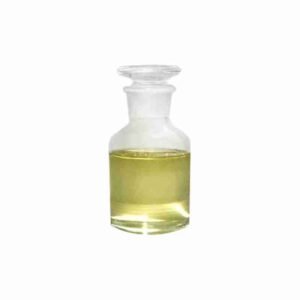
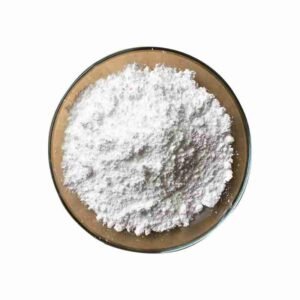
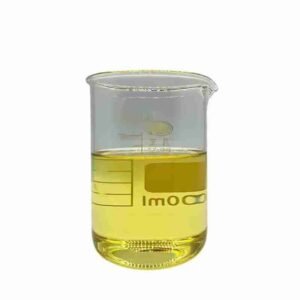
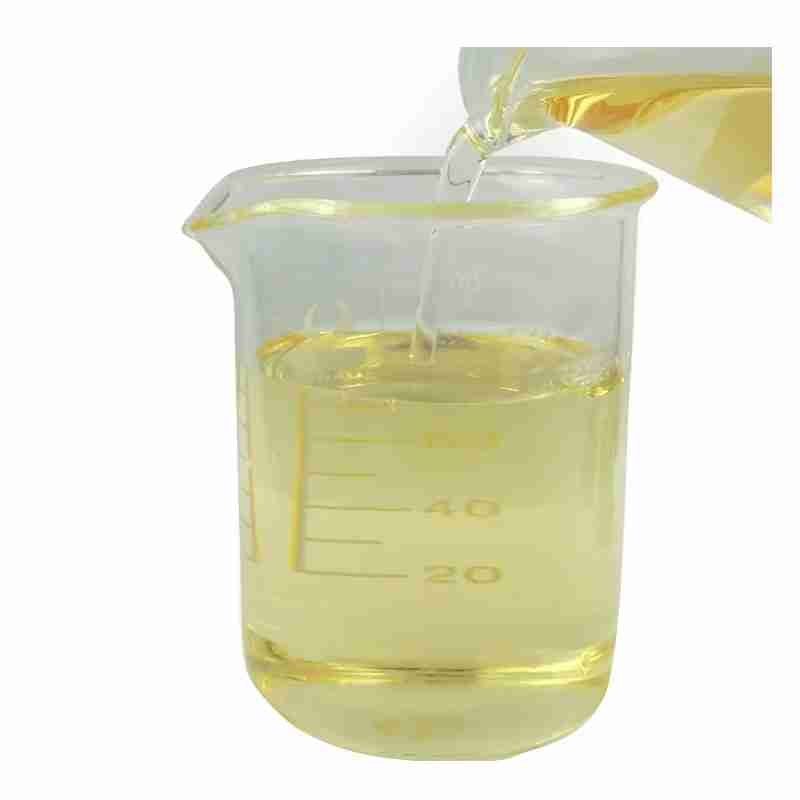
color Colourless to Yellow Sticky Oil
BRN 2208118
Stability: Hygroscopic
InChI InChI=1S/C8H10O3/c9-4-3-6-1-2-7(10)8(11)5-6/h1-2,5,9-11H,3-4H2
InChIKey JUUBCHWRXWPFFH-UHFFFAOYSA-N
SMILES C1(O)=CC=C(CCO)C=C1O
LogP 0.020 (est)
CAS DataBase Reference 10597-60-1(CAS DataBase Reference)
Safety Information
Hazard Codes Xi
Risk Statements 36/37/38
Safety Statements 26
WGK Germany 3
HS Code 29072990

Request a Quote

Get factory-direct pricing within 24 hours

Submitting...

We'll respond within 24 hours

Related Products

More products from the same category

Monostearin CAS#123-94-4
Daily Chemicals

Monostearin CAS#123-94-4

Monostearin is a versatile emulsifier and emollient derived from glycerol and stearic acid. It is instrumental in stabilizing emulsions and enhancing the texture and consistency of a wide range of products in the cosmetics, food, and pharmaceutical sectors.

View Details Factory Direct
Lactobionic acid CAS#96-82-2
Daily Chemicals

Lactobionic acid CAS#96-82-2

Lactobionic acid is a naturally occurring, high molecular weight sugar acid derived from lactose, known for its multifaceted applications in the pharmaceutical and cosmetic industries. With the chemical formula C18H32O12, it is a reducing sugar that forms a component of the milk sugar lactose. This water-soluble compound is celebrated for its antioxidant and chelating properties, which make it an effective ingredient in skincare products, particularly for its ability to protect the skin from oxidative stress and environmental aggressors. Lactobionic acid is also recognized for its gentle exfoliating action, as it can help to remove dead skin cells and promote cell renewal without causing irritation. Moreover, its acidic nature contributes to its use as a pH adjuster in formulations, helping to maintain the skin's natural acid mantle. Lactobionic acid is also valued for its ability to complex with metal ions, providing stability to products and enhancing the performance of other active ingredients. <p class="last-node">In summary, lactobionic acid is a versatile ingredient in skincare, offering antioxidant benefits, promoting skin renewal, and providing a stable platform for product formulation. Its gentle yet effective properties make it suitable for a wide range of skin types and applications.</p>

View Details Factory Direct
N,N-Diethyl-m-toluamide CAS#134-62-3
Daily Chemicals

N,N-Diethyl-m-toluamide CAS#134-62-3

N,N-Diethyl-m-toluamide, commonly known as DEET, is a widely recognized synthetic compound that serves as the active ingredient in numerous insect repellent products. DEET is characterized by its efficacy in deterring and repelling a variety of insects, including mosquitoes, ticks, and flies, which are known vectors for diseases such as malaria, Lyme disease, and Zika virus. Chemically, DEET is an amide with the molecular formula C12H19NO. It was first developed in 1946 and has since become the benchmark against which other insect repellents are measured. DEET works by targeting the olfactory receptors of insects, masking the scent of humans and animals, which are typically attractive to these pests. This compound is valued for its long-lasting protection and stability under various environmental conditions. It is available in various formulations, including sprays, lotions, and creams, and can be applied topically to skin or clothing. DEET is also known for its compatibility with other active ingredients, allowing for the development of multi-purpose products. <p class="last-node">In summary, DEET is a reliable and effective insect repellent, widely used for its ability to provide durable protection against disease-carrying insects. Its chemical properties and formulation flexibility make it a staple in the field of personal insect protection.</p>

View Details Factory Direct
Dioctyl Sebacate CAS# 122-62-3
Daily Chemicals

Dioctyl Sebacate CAS# 122-62-3

Dioctyl sebacate, also known as bis-2-ethylhexyl sebacate, referred to as DOS, is produced by the esterification reaction of sebacic acid and 2-ethylhexanol. Suitable for polyvinyl chloride, vinyl chloride copolymer, nitrocellulose, ethyl cellulose and synthetic rubber, etc. It has high plasticizing efficiency and low volatility. It has excellent cold resistance, good heat resistance, light resistance and electrical insulation. It also has good lubricity when heated, making the product look and feel good, especially Suitable for making cold-resistant wire and cable materials, artificial leather, films, plates, sheets, etc.  

View Details Factory Direct
Our Process

How BuyChemCN Works

1
Submit Demand
2
Match Factory
3
Send Sample
4
Confirm & Sign
5
Production
6
Direct Delivery