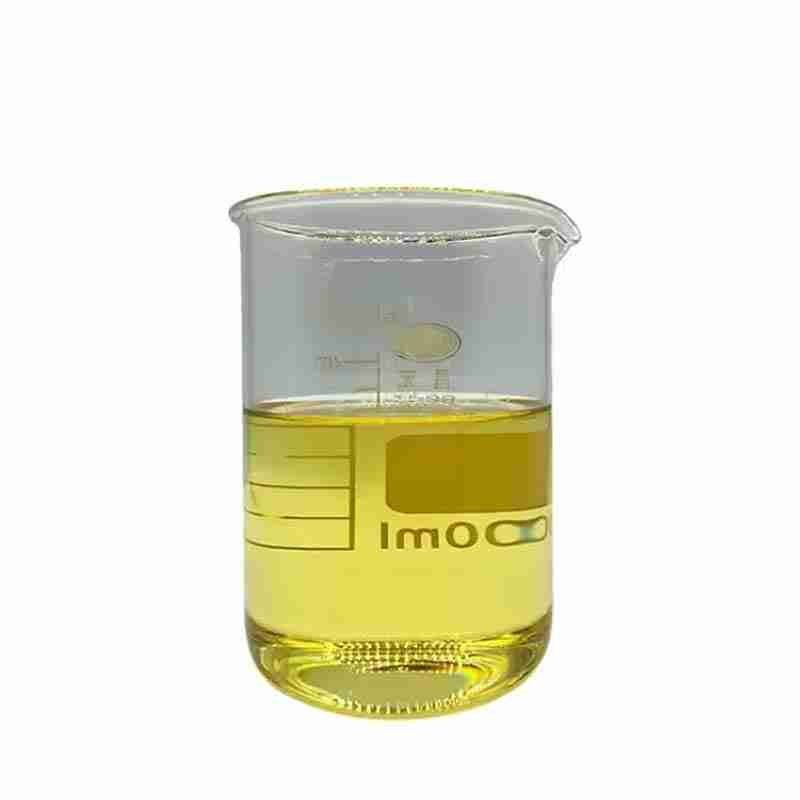
Home Products Daily Chemicals Dioctyl Sebacate CAS# 122-62-3
Dioctyl Sebacate CAS# 122-62-3
Factory Direct

Dioctyl Sebacate CAS# 122-62-3

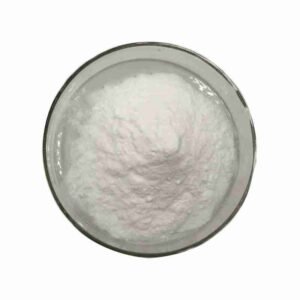
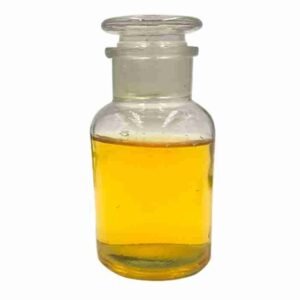
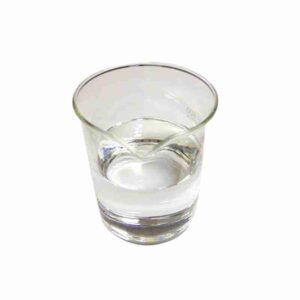
Dioctyl sebacate, also known as bis-2-ethylhexyl sebacate, referred to as DOS, is produced by the esterification reaction of sebacic acid and 2-ethylhexanol. Suitable for polyvinyl chloride, vinyl chloride copolymer, nitrocellulose, ethyl cellulose and synthetic rubber, etc. It has high plasticizing efficiency and low volatility. It has excellent cold resistance, good heat resistance, light resistance and electrical insulation. It also has good lubricity when heated, making the product look and feel good, especially Suitable for making cold-resistant wire and cable materials, artificial leather, films, plates, sheets, etc.  

Factory Inspected
Direct Shipping
Tripartite Contract

Product Description

Dioctyl sebacate, also known as bis-2-ethylhexyl sebacate, referred to as DOS, is produced by the esterification reaction of sebacic acid and 2-ethylhexanol. Suitable for polyvinyl chloride, vinyl chloride copolymer, nitrocellulose, ethyl cellulose and synthetic rubber, etc. It has high plasticizing efficiency and low volatility. It has excellent cold resistance, good heat resistance, light resistance and electrical insulation. It also has good lubricity when heated, making the product look and feel good, especially Suitable for making cold-resistant wire and cable materials, artificial leather, films, plates, sheets, etc.


Description

Dioctyl Sebacate CAS# 122-62-3

Bis(2-ethylhexyl) sebacate Basic information
Product Name: Bis(2-ethylhexyl) sebacate
Synonyms: OctoilDOS;octoils;Octyl Sebacate;octylsebacate;Plasthall DOS;Plexol 201;Plexol 201j;plexol201j
CAS: 122-62-3
MF: C26H50O4
MW: 426.67
EINECS: 204-558-8
Product Categories: C12 to C63;Carbonyl Compounds;Chemical Synthesis;Esters;Organic Building Blocks;organic chemical;Fatty Acid Esters (Plasticizer);Functional Materials;Plasticizer;Building Blocks;bc0001;122-62-3
Mol File: 122-62-3.mol
Bis(2-ethylhexyl) sebacate Structure
Bis(2-ethylhexyl) sebacate Chemical Properties
Melting point -55 ??C
Boiling point 212???C1?mm Hg(lit.)
density 0.914?g/mL?at 25???C(lit.)
vapor pressure <0.01 hPa (20 ??C)
refractive index n20/D?1.450(lit.)
Fp >230???F
storage temp. Store below +30??C.
solubility <1g/l
form Liquid
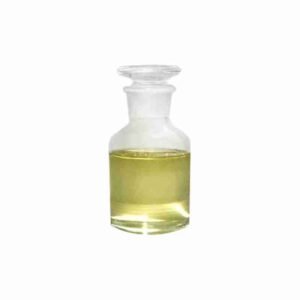
color Clear slightly yellow
Water Solubility <0.1 g/L (20 oC)
Merck 14,1251
BRN 1806504
Stability: Stable. Combustible. Incompatible with strong oxidizing agents.
InChIKey VJHINFRRDQUWOJ-UHFFFAOYSA-N
LogP 9.722 (est)
CAS DataBase Reference 122-62-3(CAS DataBase Reference)
NIST Chemistry Reference Decanedioic acid, bis(2-ethylhexyl) ester(122-62-3)
EPA Substance Registry System Bis(2-ethylhexyl) sebacate (122-62-3)
Safety Information
Safety Statements 24/25
WGK Germany
RTECS VS1000000
TSCA Yes
HS Code 29171390
Hazardous Substances Data 122-62-3(Hazardous Substances Data)
Toxicity mouse,LD50,oral,9500mg/kg (9500mg/kg),”Toxicometric Parameters of Industrial Toxic Chemicals Under Single Exposure,” Izmerov, N.F., et al., Moscow, Centre of International Projects, GKNT, 1982Vol. -, Pg. 62, 1982.

Request a Quote

Get factory-direct pricing within 24 hours

Submitting...

We'll respond within 24 hours

Related Products

More products from the same category

Isopropyl myristate CAS#110-27-0
Daily Chemicals

Isopropyl myristate CAS#110-27-0

Isopropyl myristate (IPM) is an ester-based compound commonly utilized as an emollient and solvent in the cosmetic and personal care industry. Derived from myristic acid and isopropanol, IPM possesses a lightweight, non-greasy texture that allows for easy absorption and spreadability on the skin. Chemically, it is represented by the formula C18H36O2, and it is known for its ability to dissolve a wide range of lipophilic (fat-soluble) ingredients, making it an ideal carrier for fragrances, vitamins, and other active components in formulations. IPM is also valued for its emollient properties, which help to soften and smooth the skin without leaving a residue. This ester is non-comedogenic, meaning it does not clog pores, and is suitable for various skin types, including sensitive and acne-prone skin. Its stability and compatibility with other ingredients make it a versatile component in the creation of lotions, creams, makeup products, and sunscreens. <p class="last-node">In summary, isopropyl myristate is a beneficial ingredient in skincare and cosmetic products due to its solubilizing capabilities, emollience, and non-comedogenic nature, offering a smooth application and enhancing the sensory experience without compromising skin health.</p>

View Details Factory Direct
LAURIC ACID MONOETHANOLAMIDE CAS#142-78-9
Daily Chemicals

LAURIC ACID MONOETHANOLAMIDE CAS#142-78-9

Lauric Acid Monoethanolamide is a chemical compound derived from lauric acid, a saturated fatty acid found in coconut oil and palm kernel oil. It is commonly used as an emulsifier and surfactant in various industrial applications, including the production of personal care products, detergents, and lubricants. This compound enhances the stability and texture of formulations, making it an essential ingredient for creating smooth, homogenous mixtures. Its properties contribute to improved product performance and consumer satisfaction.

View Details Factory Direct
Octocrylene CAS#6197-30-4
Daily Chemicals

Octocrylene CAS#6197-30-4

Octocrylene is an organic compound widely recognized for its potent UV-filtering properties, making it an essential ingredient in sunscreens and other skincare products designed to protect the skin from harmful ultraviolet radiation. With the chemical name 2-(4-Methylbenzyl)-2H-benzotriazole-5-methyl, octocrylene is a stable and photostable molecule that provides broad-spectrum protection against both UVA and UVB rays. This oil-soluble chemical is valued for its ability to absorb UV radiation effectively, converting it into heat without causing skin irritation or staining clothes. Octocrylene is often used in combination with other UV filters to enhance the sun protection factor (SPF) of formulations, ensuring a balanced and comprehensive defense against sun damage. As a lipophilic compound, octocrylene is compatible with various cosmetic and dermatological formulations, contributing to the development of lightweight, non-greasy sunscreens. Its chemical structure allows for a high degree of safety and efficacy, making it suitable for a wide range of skin types, including sensitive skin. <p class="last-node">In summary, octocrylene is a reliable and efficient UV filter, pivotal in the formulation of modern sunscreens that offer advanced protection against the sun's harmful effects while maintaining skin comfort and product aesthetics.</p>

View Details Factory Direct
Hydrogenated Lecithin CAS #92128-87-5
Daily Chemicals

Hydrogenated Lecithin CAS #92128-87-5

Hydrogenated lecithin is light yellow or milky white powder. Due to the use of catalysis and hydrogenation processes, the unsaturated chains of unsaturated fatty acids in the molecular structure of soybean lecithin disappear, thereby greatly improving the chemical stability, dispersibility, and emulsification of lecithin. It has decolorization and deodorization effects, which is more conducive to storage and preservation, and improves its role in medicine, high-end cosmetics, and light industry. It is especially suitable for intravenous fat emulsifiers and nutrients. It is used as a blood lipid emulsifier to prevent arteriosclerosis, and has the advantages of being easy to digest, easy to absorb, and almost not remaining in the internal organs.

View Details Factory Direct
Our Process

How BuyChemCN Works

1
Submit Demand
2
Match Factory
3
Send Sample
4
Confirm & Sign
5
Production
6
Direct Delivery