

For industrial manufacturing and laboratory research purposes only.
Product Specifications
| Parameter | Value |
|---|---|
| Model NO. | fiber ball filter media |
| Application | Pool, Aquarium, Pond |
| Filtration Rate | 20~85m/H |
| Filling Density | 75~85kg/M3 |
| Porosity | 96% |
| Transport Package | Carton |
| Specification | 700g/bag |
| Trademark | BuyChemCn |
| Origin | Henan China |
| Production Capacity | 200tons /Year |
| Package Size | 55.00cm * 56.00cm * 40.00cm |
| Package Gross Weight | 26.500kg |
Overcoming Filtration Inefficiencies with High-Performance Aquarium Filter Media
For over a decade in the chemical filtration industry, we've witnessed how subpar filter media can compromise water quality in industrial aquatic systems—from inconsistent flow rates causing operational disruptions to low porosity limiting biological filtration efficiency. These challenges aren't just nuisances; they directly impact research accuracy and industrial process reliability.
Engineered Solutions for Aquatic Filtration Challenges
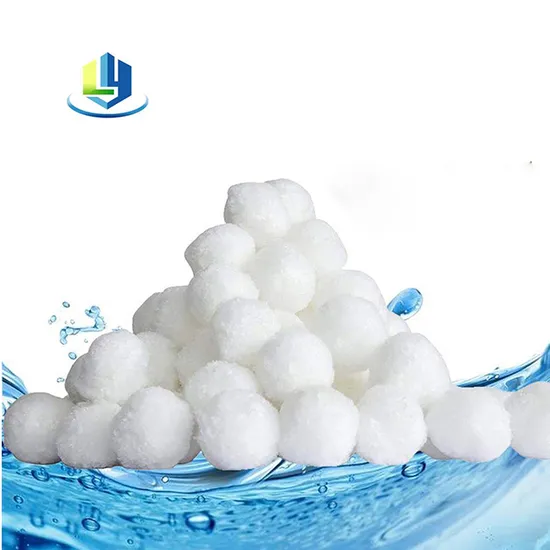
Our Water Media Filter Aquarium Tank Fish Polyester Fiber Bio Balls address these critical pain points through precision engineering. With 96% porosity, these bio balls provide an optimal environment for beneficial bacteria colonization while maintaining a filtration rate of 20~85m/H, ensuring both biological efficiency and hydraulic performance. As a leading chemical trade hub serving 50+ countries, we understand the unique demands of industrial and research aquatic systems, delivering solutions that balance performance and practicality.
Industrial Applications of Polyester Fiber Filter Media
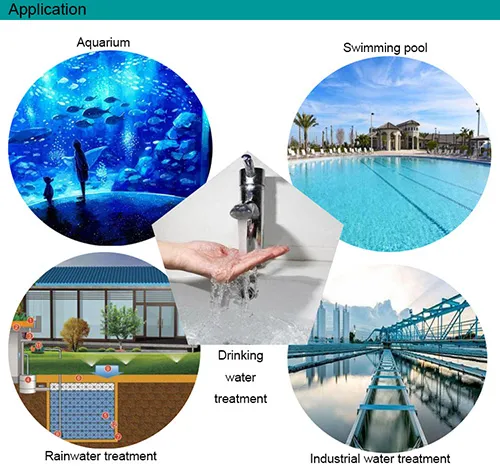
Designed specifically for professional use, this Pond water filter media finds applications in industrial aquaculture facilities, research laboratories, and commercial water treatment systems. Its versatility extends to pool filtration setups and large-scale pond management, where consistent water clarity and biological stability are paramount. The polyester fiber construction ensures durability under continuous operational conditions, making it suitable for long-term industrial deployment.
Key Specifications Driving Filtration Performance
The 96% porosity of our bio balls creates an extensive surface area for microbial attachment, enhancing biological filtration capacity—a critical factor for breaking down organic waste in closed aquatic systems. The controlled filling density of 75~85kg/M3 prevents channeling and ensures uniform water distribution, while the 20~85m/H filtration rate adapts to varying flow requirements without compromising efficiency. These specifications work in concert to maintain stable water parameters, essential for reliable research outcomes and industrial process control.
Benefits of Premium Pond Filter Balls
Investing in high-quality Aquarium polyester fiber balls translates to reduced maintenance costs and improved system reliability. Unlike inferior filter media that requires frequent replacement, our product's robust construction ensures extended service life, lowering long-term operational expenses. The consistent performance batch-to-batch eliminates variability in research results, while the efficient filtration reduces energy consumption by optimizing flow dynamics. These benefits underscore why professional facilities worldwide trust our filtration solutions for their critical operations.
Our Commitment to Quality and Reliability
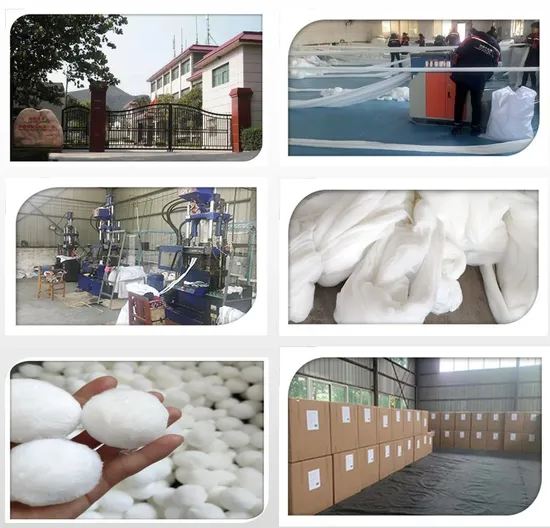
With a production capacity of 200 tons per year, we guarantee stable supply even for large-scale projects. Each batch of filter media undergoes rigorous quality control testing to ensure compliance with stated specifications, including porosity verification and flow rate testing. Our ISO 9001-certified manufacturing process in Henan, China, adheres to strict quality management standards, providing our industrial and research clients with the consistency they demand. We stand behind our products with comprehensive technical support and responsive customer service.
Certificate of Analysis & Documentation
Every shipment includes a Certificate of Analysis (COA) detailing key performance metrics for the specific batch. Material Safety Data Sheets (MSDS) are provided to ensure proper handling and storage in industrial environments. For research institutions requiring additional documentation, specific test results can be made available upon request to support experimental validation and compliance reporting.
Storage & Handling
- Store in a cool, dry, well-ventilated area, sealed and away from direct sunlight.
- Keep away from incompatible materials, food and feed sources.
- Handle with appropriate personal protective equipment (gloves, goggles, lab coat).
- Follow good industrial hygiene practices. Avoid inhalation and skin contact.
- Refer to MSDS for detailed storage and safety instructions.
Streamlined Procurement Process
Our straightforward ordering process begins with an online inquiry, where our technical team can provide personalized recommendations based on your specific system requirements. Sample evaluation is available for qualification testing, followed by batch ordering with flexible packaging options. All industrial orders include comprehensive documentation and dedicated support to ensure seamless integration into your filtration system.
Frequently Asked Questions
Q: What is the shelf life of the polyester fiber bio balls?
A: When stored in original, unopened packaging under recommended conditions, the product maintains optimal performance for 24 months from the production date.
Q: Are these filter media suitable for direct household aquarium use?
A: No, this product is intended exclusively for industrial and laboratory research applications, not for household use.
Q: What documentation is provided with each order?
A: Each shipment includes a Certificate of Analysis (COA) and Material Safety Data Sheet (MSDS) specific to the batch.
Q: Can the packaging规格 be customized for large orders?
A: Yes, custom packaging options are available for industrial orders exceeding 500kg. Please contact our sales team for details.
Q: How is the porosity of the bio balls verified?
A: Porosity is measured using mercury intrusion porosimetry, with test results documented in the batch COA.