


For industrial manufacturing and laboratory research purposes only.
Product Specifications
| Parameter | Value |
|---|---|
| Model NO. | Polyacrylamide |
| EINECS | 201-173-7 |
| Acid-Base Property | Neutral Surface Disposal Agent |
| Environmental Protection | Yes |
| Color | White |
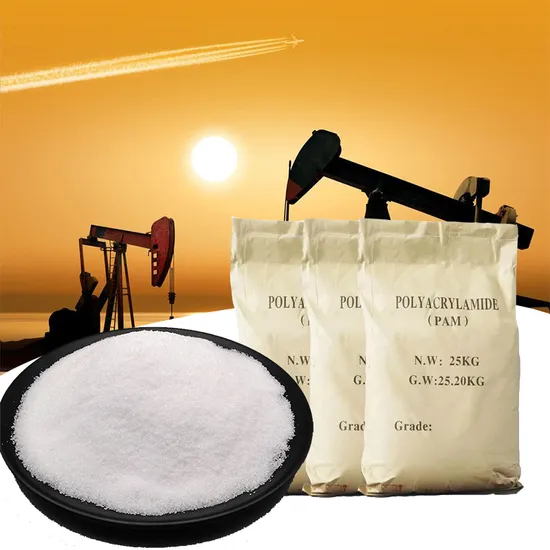
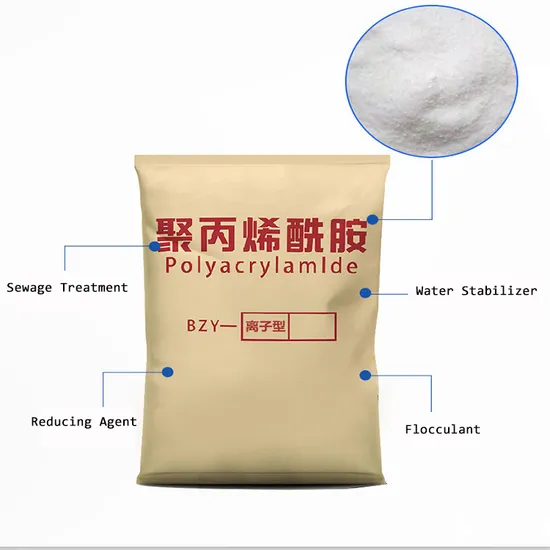
| Appearance | Granulars |
| Type | Sewage Treatment Chemicals |
| Solid Content(%) | 88.5 |
| Packaging | 25kg/Bag, 500kg Bags |
| Sample | Free Sample Support |
| Transport Package | Big Bag: 500kg/600kg Kraft Bag; Small Bag: 25kg |
| Specification | Powder Granular |
| Origin | Henan China |
| Production Capacity | 10000tons /Year |
| Package Size | 50.00cm * 35.00cm * 18.00cm |
| Package Gross Weight | 25.100kg |
Consistent Performance Challenges in Wastewater Treatment: Polyacrylamide PAM (EINECS 201-173-7) Solutions
Industrial wastewater treatment operations often face critical challenges with flocculant performance—unstable solid content leading to variable settling rates, inconsistent granular size causing dissolution issues, and supply chain disruptions delaying treatment processes. In our 10+ years serving water treatment plants across 50+ countries, we've witnessed how these inconsistencies directly impact operational efficiency and compliance costs.
Reliable Polyacrylamide PAM Flocculant for Stable Sewage Treatment
Our Polyacrylamide PAM Flocculant addresses these industrial pain points through rigorous manufacturing controls and supply chain management. With a consistent 88.5% solid content and uniform white granular appearance, this sewage treatment chemical ensures predictable flocculation performance, reducing the need for process adjustments. Backed by a 10,000-ton annual production capacity, we maintain stable inventory to support continuous industrial operations across the Asia-Pacific region.
Key Applications in Industrial Wastewater Treatment
This Sewage Treatment Flocculant Agent is specifically designed for industrial wastewater clarification processes, including municipal sewage treatment plants, textile dyeing facilities, and chemical manufacturing wastewater systems. Its neutral surface disposal properties make it suitable for various pH conditions, effectively aggregating suspended solids to improve sedimentation efficiency in industrial-scale treatment processes.
Critical Specifications for Optimal Flocculation Performance
The 88.5% solid content of our PAM Flocculant ensures maximum active ingredient concentration, minimizing dosage requirements and operational costs. The white granular form provides controlled dissolution rates, preventing clumping and ensuring uniform dispersion in treatment systems. Our environmental protection compliance meets industrial wastewater discharge standards, while the powder granular specification allows for easy handling and automated dosing integration—critical factors for maintaining process consistency in large-scale water treatment operations.
Operational Advantages of Quality Polyacrylamide PAM
Choosing a high-purity Polyacrylamide for Sewage Treatment translates to tangible operational benefits: reduced sludge volume through efficient flocculation, lower chemical consumption due to consistent active content, and minimized downtime from supply interruptions. Unlike substandard products that risk regulatory non-compliance and treatment process failures, our flocculant meets stringent industrial standards, supporting long-term operational stability and cost control for water treatment facilities.
Quality Assurance You Can Verify
Our quality control process includes comprehensive testing through HPLC and particle size analysis to ensure each batch meets specifications. Every order is accompanied by a Certificate of Analysis detailing solid content, appearance, and purity data. We offer free sample support for pre-production testing, and maintain full traceability of raw materials through our ISO 9001-certified manufacturing process. With dedicated technical support and a 100% specification guarantee, we stand behind the reliability of our White Granular PAM.
Certificate of Analysis & Documentation
Each shipment includes a batch-specific Certificate of Analysis and MSDS, providing detailed safety and handling information. For quality verification, customers can request specific test results by referencing their order number, ensuring full transparency and compliance with industrial quality management systems.
Storage & Handling
- Store in a cool, dry, well-ventilated area, sealed and away from direct sunlight.
- Keep away from incompatible materials, food and feed sources.
- Handle with appropriate personal protective equipment (gloves, goggles, lab coat).
- Follow good industrial hygiene practices. Avoid inhalation and skin contact.
- Refer to MSDS for detailed storage and safety instructions.
Streamlined Ordering Process for Industrial Buyers
To ensure a smooth procurement experience, we offer a straightforward process: submit an inquiry with your specific wastewater treatment requirements, request a free sample for performance testing, confirm specifications, and place your order. Our dedicated account managers provide end-to-end support, including documentation coordination and logistics planning to meet your production timelines.
Frequently Asked Questions
Q: What is the shelf life of the Polyacrylamide PAM Flocculant?
A: When stored properly in sealed packaging under recommended conditions, the product maintains stability for 24 months from the manufacturing date.
Q: Is this product suitable for food or pharmaceutical applications?
A: No, this product is FOR INDUSTRIAL AND LABORATORY RESEARCH USE ONLY. It is not intended for direct human consumption, therapeutic, or household use.
Q: What documentation is provided with each shipment?
A: Each order includes a Certificate of Analysis (COA) and Material Safety Data Sheet (MSDS) specific to the batch shipped.
Q: Can packaging be customized for large-volume orders?
A: Yes, we offer custom packaging solutions for bulk orders, including 500kg/600kg kraft big bags and 25kg small bags as standard options.
Q: How is the solid content of 88.5% verified?
A: Solid content is determined through gravimetric analysis per standard industrial testing protocols, with results documented in the batch COA.