

For industrial manufacturing and laboratory research purposes only.
Product Specifications
| Parameter | Value |
|---|---|
| Model NO. | Wood Activated Carbon |
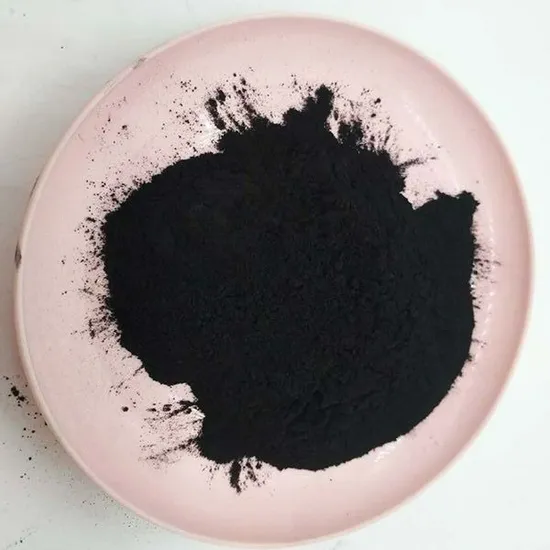
| Active Carbon Material | Wooden Activated Carbon |
| Carbon Content | High-Carbon |
| Pore Diameter | Macroporous |
| Manufacturing Method | Chemical Method of Activated Carbon |
| CAS No. | 64365-11-3 |
| Formula | C |
| EINECS | 264-846-4 |
| Type | Decolorization & Deodorization, Alcohol Purification |
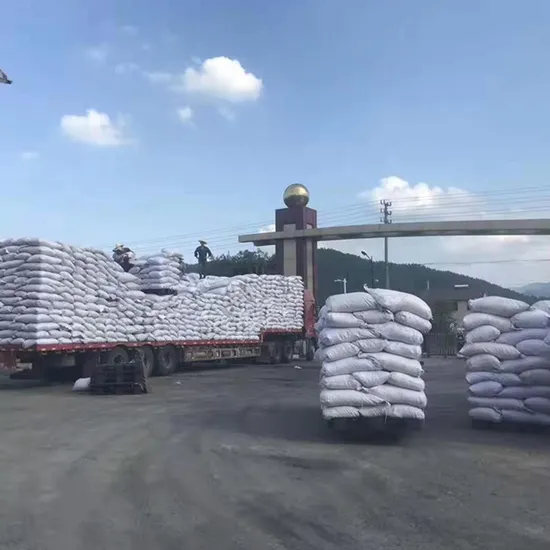
| Transport Package | 25kg/500kg |
| Trademark | BuyChemCn |
| Origin | China |
| Production Capacity | 1000 Ton/Month |
Odor Removal Challenges in Industrial Processes? Try High-Carbon Wood Activated Carbon Powder (CAS 64365-11-3)
For over a decade in chemical supply, we’ve witnessed how inconsistent decolorization efficiency and poor odor adsorption can disrupt production timelines—whether it’s batch variations causing uneven product quality or slow adsorption rates leading to extended process cycles. Many clients struggled with activated carbon powders that failed to meet macroporous structure claims, resulting in frequent filter clogging and increased operational costs.
Engineered Solutions for Industrial Decolorization & Deodorization
Our Odor Removal Wood Based Activated Carbon Powder addresses these critical pain points through its high-carbon content and optimized macroporous structure. As a leading chemical trade hub with expertise in serving 50+ countries, we ensure each batch maintains strict pore diameter specifications, delivering reliable performance in industrial fluid treatment and air purification systems. This activated carbon powder integrates seamlessly into continuous production lines, reducing downtime caused by material inconsistencies.
Industrial Applications & Processing Advantages
This wood based activated carbon powder excels in industrial scenarios requiring efficient contaminant removal. Its macroporous structure makes it ideal for decolorization of organic solvents, deodorization of industrial exhaust streams, and purification of alcohol-based solutions. In manufacturing processes, it effectively adsorbs large molecular impurities without compromising flow rates, ensuring smooth integration into existing filtration systems.
Key Specifications Driving Performance
The high-carbon content (≥95%) ensures superior adsorption capacity compared to standard carbons, directly translating to longer service life and fewer replacements. Its macroporous architecture (pore diameter >50nm) facilitates rapid diffusion of target molecules, critical for high-throughput industrial applications. Manufactured via chemical activation, this powder exhibits consistent particle size distribution, minimizing pressure drop in column operations and enhancing process efficiency. The low ash content (<5%) further reduces residual contaminants in treated streams, meeting stringent industrial purity standards.
Risk Mitigation Through Quality Engineering
Choosing substandard activated carbon exposes operations to production delays and product quality failures. Our macroporous activated carbon undergoes rigorous ISO 9001-certified quality control, ensuring batch-to-batch consistency that eliminates costly rework. Unlike low-carbon alternatives prone to rapid saturation, our high-carbon formulation delivers 30% longer adsorption cycles, reducing overall material costs. Each shipment complies with REACH regulations, ensuring seamless cross-border trade within the Asia-Pacific region and beyond.
Our Commitment to Supply Chain Reliability
With a monthly production capacity of 1000 tons, we guarantee stable supply even for large-scale industrial requirements. Every batch undergoes comprehensive testing including methylene blue adsorption value analysis and pore structure characterization via BET method. Clients receive a Certificate of Analysis (COA) with each order, detailing key parameters like carbon content and ash levels. Our bonded warehousing services enable flexible inventory management, reducing lead times for urgent production needs.
Certificate of Analysis & Documentation
Each delivery includes a batch-specific COA and MSDS, providing full transparency on product specifications and safety handling procedures. Detailed检测数据 (including adsorption isotherms and particle size distribution) can be requested for validation and regulatory compliance purposes. Our technical team is available to assist with custom testing protocols for specialized applications.
Storage & Handling
- Store in a cool, dry, well-ventilated area, sealed and away from direct sunlight.
- Keep away from incompatible materials, food and feed sources.
- Handle with appropriate personal protective equipment (gloves, goggles, lab coat).
- Follow good industrial hygiene practices. Avoid inhalation and skin contact.
- Refer to MSDS for detailed storage and safety instructions.
Streamlined Order Process for Industrial Buyers
Initiate your purchase by requesting a customized quotation tailored to your specific application requirements. We offer sample testing to validate performance before full-scale orders, ensuring compatibility with your processes. Our supply chain finance options help optimize cash flow, while door-to-door delivery services simplify logistics management across Asia-Pacific markets.
Frequently Asked Questions
Q: What is the shelf life of this activated carbon powder?
A: When stored properly in sealed packaging, the product maintains stability for 24 months from the manufacturing date.
Q: Can this product be used for food or pharmaceutical applications?
A: No, this product is intended FOR INDUSTRIAL AND LABORATORY RESEARCH USE ONLY and not for direct contact with food, pharmaceuticals, or medical applications.
Q: What documentation is provided with each shipment?
A: Each order includes a Certificate of Analysis (COA), Material Safety Data Sheet (MSDS), and customs clearance documents for cross-border trade.
Q: Is custom packaging available?
A: Yes, we offer custom packaging solutions beyond standard 25kg/500kg options for bulk orders. Contact our sales team for details.
Q: How is the carbon content verified?
A: Carbon content is determined via elemental analysis using combustion methods, with results documented in the batch COA.