For industrial manufacturing and laboratory research purposes only.
Product Specifications
| Parameter | Value |
|---|---|
| Model NO. | Polyacrylamide |
| EINECS | 201-173-7 |
| Certification | ISO9001 |
| Environmental Protection | Yes |
| Color | White |
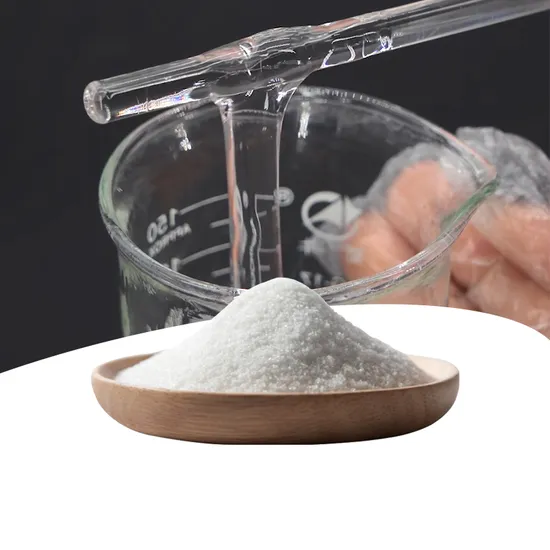
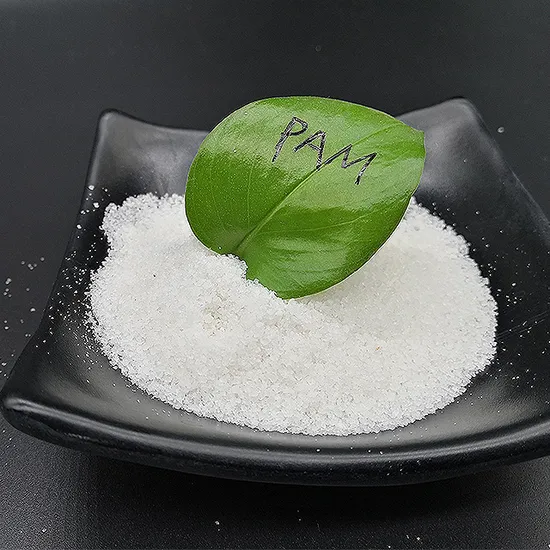
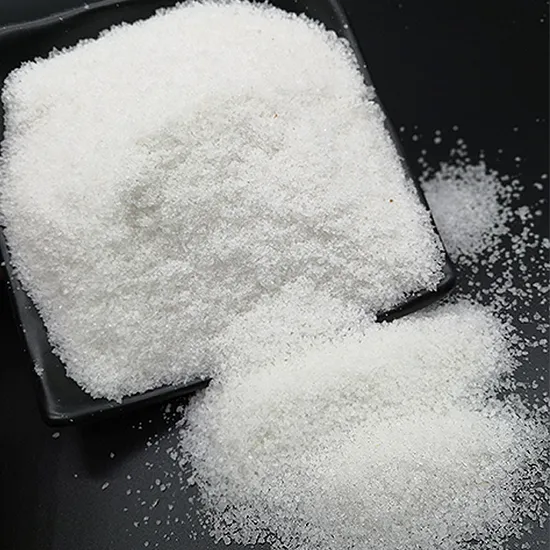
| Appearance | Powder |
| Kind | Flocculant |
| Producing Flow | Paper Processing Chemicals |
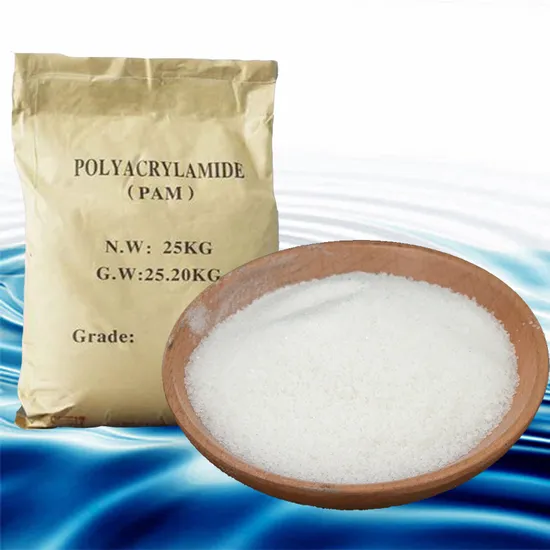
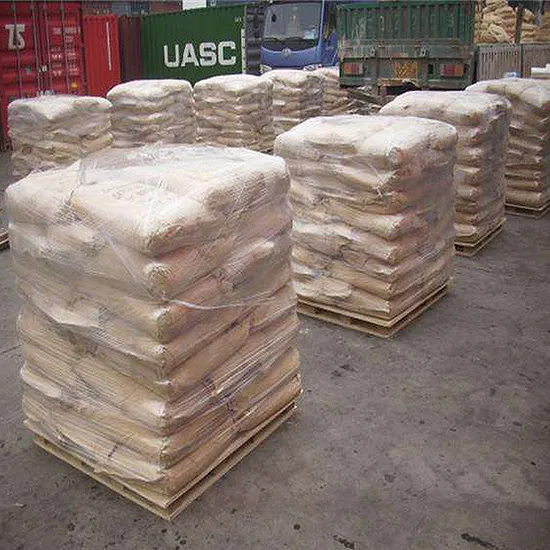
| Transport Package | Big Bag: 500kg/600kg Kraft Bag; Small Bag: 25/Kg |
| Specification | Powder |
| Trademark | BuyChemCn |
| Origin | Henan China |
| Production Capacity | 2000ton |
High Molecular Anionic Polyacrylamide Powder with EINECS 201-173-7 for Consistent Concrete Performance
Concrete manufacturers and construction material researchers often face critical challenges with flocculant consistency—unstable molecular weight leading to uneven water reduction, batch-to-batch purity variations causing unpredictable setting times, and supply delays disrupting production schedules. After a decade of serving 50+ countries, we’ve witnessed how these issues directly impact project timelines and material quality.
A Stable Solution for Concrete Flocculation Challenges
Our High Molecular Anionic Polyacrylamide Powder addresses these pain points through rigorous manufacturing control and ISO9001-certified processes. As a core product in our industrial chemical portfolio, it delivers consistent flocculation efficiency, ensuring reliable water retention and particle aggregation in concrete formulations. With a production capacity of 2000 tons annually, we maintain stable inventory to support both large-scale manufacturing and laboratory research needs across the Asia-Pacific region.
Industrial Applications in Construction and Material Science
This Anionic Polyacrylamide Flocculant is primarily used in concrete production to enhance mix stability, reduce segregation, and improve workability. It serves as a critical additive in construction material research, where precise flocculation behavior is essential for developing advanced concrete composites. Additionally, its powder form allows for easy integration into automated batching systems, making it suitable for high-volume industrial manufacturing environments.
Key Specifications Driving Performance
The white powder appearance ensures low impurity levels, minimizing color interference in light-colored concrete applications. The high molecular weight configuration enhances flocculation efficiency, reducing the required dosage compared to lower-grade alternatives. ISO9001 certification guarantees adherence to strict quality management systems, from raw material selection to final packaging. Environmental protection compliance aligns with sustainable construction practices, meeting regulatory requirements for green building materials.
Benefits of ISO9001 Certified Polyacrylamide Flocculant
Choosing our ISO9001 Certified Polyacrylamide Flocculant mitigates the risks of using uncertified products—such as inconsistent performance, hidden impurities, and supply chain unreliability. The structured quality control process ensures each batch meets identical specifications, eliminating costly rework from material variations. For long-term projects, our stable production capacity and established logistics network (supported by bonded warehousing services) prevent delays, ultimately reducing total project costs.
Our Quality Assurance Commitment
Every batch of High Molecular Anionic Polyacrylamide undergoes comprehensive testing, including molecular weight analysis, purity verification, and solubility testing. We provide a Certificate of Analysis (COA) with each shipment, detailing key parameters for traceability. Our 2000-ton annual capacity ensures consistent supply, while the dual packaging options (500kg/600kg kraft bags and 25kg small bags) accommodate both bulk and laboratory-scale requirements. If a batch fails to meet specified standards, we offer unconditional replacement to protect your production schedule.
Certificate of Analysis & Documentation
Each delivery includes a batch-specific COA and Material Safety Data Sheet (MSDS). For critical applications, detailed test reports—including molecular weight distribution and purity chromatograms—can be provided upon request. These documents support compliance with industrial quality management systems and research documentation requirements.
Storage & Handling
- Store in a cool, dry, well-ventilated area, sealed and away from direct sunlight.
- Keep away from incompatible materials, food and feed sources.
- Handle with appropriate personal protective equipment (gloves, goggles, lab coat).
- Follow good industrial hygiene practices. Avoid inhalation and skin contact.
- Refer to MSDS for detailed storage and safety instructions.
Streamlined Ordering Process
Initiate your order by submitting a specification inquiry through our contact channels. We provide technical support to confirm compatibility with your concrete formulation, followed by a detailed quotation including logistics options. For first-time users, sample quantities are available for pre-production testing. Once specifications are confirmed, bulk orders are processed with lead times aligned to your production schedule, including door-to-door delivery options.
Frequently Asked Questions
Q: What is the shelf life of this product?
A: When stored in sealed original packaging under recommended conditions, the product maintains stability for 24 months from the production date.
Q: Can this polyacrylamide be used in food or pharmaceutical applications?
A: No. This product is strictly for industrial and laboratory research use only, not for direct human consumption or therapeutic applications.
Q: What documentation is provided with each shipment?
A: Each shipment includes a Certificate of Analysis (COA) and Material Safety Data Sheet (MSDS). Additional test reports are available upon request.
Q: Do you offer custom packaging or specifications?
A: Standard packaging options are 500kg/600kg kraft bags and 25kg small bags. For custom specifications, please contact our technical team with detailed requirements.
Q: How is product purity verified?
A: Purity is verified through multiple analytical methods, including Fourier-transform infrared spectroscopy (FTIR) and elemental analysis, with results documented in the batch COA.