

For industrial manufacturing and laboratory research purposes only.
Product Specifications
| Parameter | Value |
|---|---|
| EINECS | 201-173-7 |
| Acid-Base Property | Neutral Surface Disposal Agent |
| Certification | ISO |
| Environmental Protection | Yes |
| Color | White |
| Appearance | Powder |
| Type | Sewage Treatment Chemicals |
| Delivery Time | 7-15days |
| Logo Customization | Support |
| Ionic | Anionic Cationic Nonionic |
| Purity | 99% |
| MOQ | 1ton |
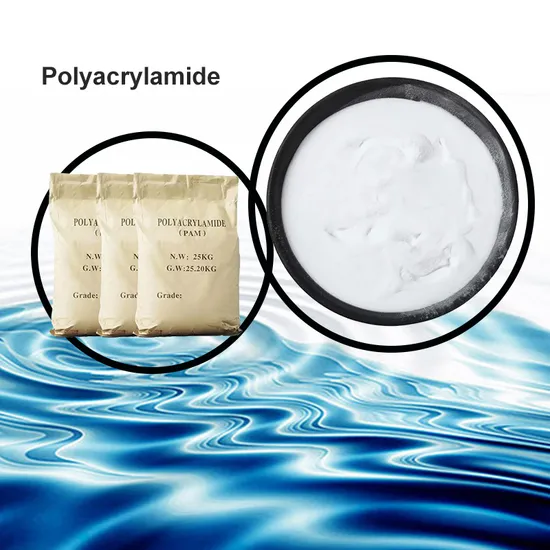
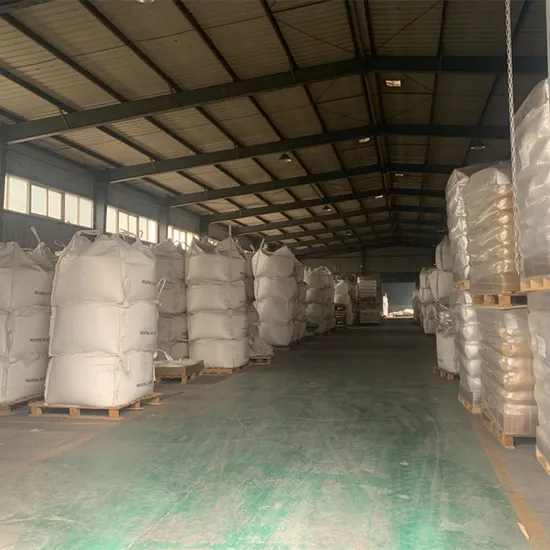
| Transport Package | 25kg/Bag, 1ton/Bag |
| Specification | 25kg/bag, 1ton/bag |
| Origin | Henan, China |
| HS Code | 3906901000 |
| Production Capacity | 400ton/Month |
| Package Size | 50.00cm * 35.00cm * 18.00cm |
| Package Gross Weight | 25.100kg |
Consistent Performance Polyacrylamide (201-173-7) for Reliable Sewage Treatment Processes
Industrial wastewater treatment facilities and research laboratories often face critical challenges with flocculant performance—unstable purity leading to inconsistent sedimentation, batch variations disrupting experimental reproducibility, and supply delays halting production schedules. Having supported over 10,000 industrial clients across 50+ countries, we understand how these issues directly impact operational efficiency and research outcomes.
Stable Supply Chain for Critical Sewage Treatment Chemicals
Our Polyacrylamide (PAM) addresses these pain points through a vertically integrated production system with a monthly capacity of 400 tons, ensuring consistent availability even for large-scale industrial需求. As a leading chemical trade hub in the Asia-Pacific region, we leverage bonded warehousing and streamlined logistics to deliver 99% purity Polyacrylamide within 7-15 days, minimizing downtime for water treatment plants and research institutions.
Industrial Applications of Nonionic Cationic PAM
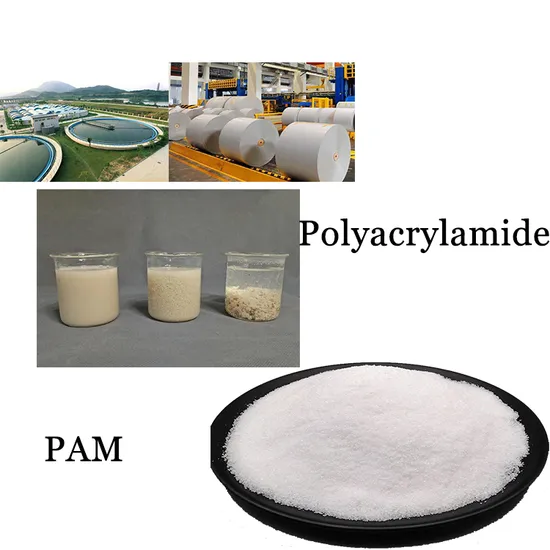
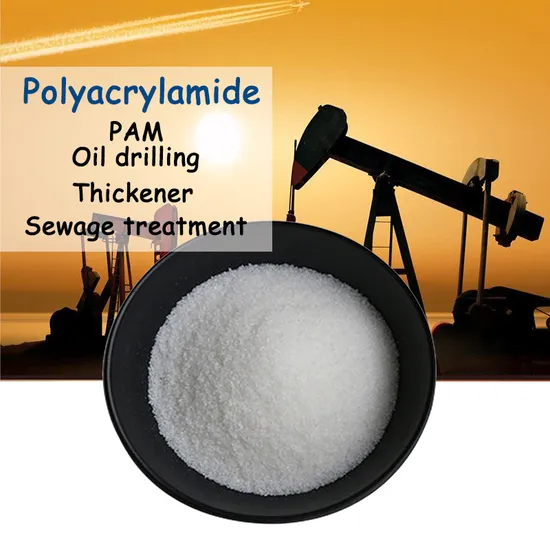
This versatile flocculant plays a pivotal role in industrial wastewater clarification, where its ionic variants (nonionic, cationic, anionic) enable targeted particle aggregation across diverse water matrices. Typical applications include municipal sewage treatment, industrial effluent processing, and laboratory-scale solid-liquid separation studies. Its neutral surface property makes it compatible with various treatment systems without altering pH balance, a critical advantage in controlled industrial processes.
Key Specifications Driving Treatment Efficiency
The 99% purity of our Polyacrylamide ensures minimal impurities that could interfere with flocculation kinetics, reducing sludge volume and improving water clarity. Particle size uniformity in powder form guarantees consistent dissolution rates, preventing blockages in dosing systems and ensuring precise chemical control. The dual packaging options (25kg/bag and 1ton/bag) are engineered for both laboratory-scale trials and industrial bulk handling, with each package maintaining product integrity through stringent moisture barrier standards.
Long-Term Value Through Quality Compliance
Choosing ISO-certified Polyacrylamide translates to quantifiable operational benefits: reduced chemical consumption due to higher active ingredient concentration, lower sludge disposal costs from improved floc structure, and compliance with environmental protection standards critical for cross-border trade. In contrast, substandard flocculants often require increased dosage, generate excessive sludge, and risk regulatory non-compliance—costs that far exceed initial savings from cheaper alternatives.
Quality Assurance You Can Verify
Our quality control protocol includes HPLC analysis for purity verification, ionic character testing through colloidal titration, and moisture content assessment via Karl Fischer titration. Each batch is accompanied by a Certificate of Analysis detailing these parameters, with raw data available for client review upon request. Our 10+ years of specialized production experience ensures that every shipment meets the same rigorous standards, supported by a comprehensive return policy for non-conforming products.
Certificate of Analysis & Documentation
Every order includes a batch-specific COA and MSDS compliant with international transport regulations. For critical applications requiring extended documentation, we provide additional test reports upon request, including particle size distribution and solubility curves. These documents facilitate regulatory compliance in cross-border trade and streamline quality control processes for our industrial clients.
Storage & Handling
- Store in a cool, dry, well-ventilated area, sealed and away from direct sunlight.
- Keep away from incompatible materials, food and feed sources.
- Handle with appropriate personal protective equipment (gloves, goggles, lab coat).
- Follow good industrial hygiene practices. Avoid inhalation and skin contact.
- Refer to MSDS for detailed storage and safety instructions.
Streamlined Order Process for Industrial Buyers
Initiate your order by submitting a specification request detailing ionic type, required quantity, and delivery timeline. We provide a comprehensive quotation including logistics and documentation within 24 hours. For first-time clients, sample testing is available to verify performance compatibility before full-scale ordering, ensuring alignment with your specific treatment requirements.
Frequently Asked Questions
Q: What is the shelf life of this Polyacrylamide product?
A: When stored under recommended conditions (cool, dry, sealed), the product maintains stability for 24 months from the manufacturing date.
Q: Is this product suitable for food or pharmaceutical applications?
A: No. This product is strictly for industrial and laboratory research use only, not for direct human consumption or medical applications.
Q: What documentation is provided with each shipment?
A: Each order includes a Certificate of Analysis (COA), Material Safety Data Sheet (MSDS), and loading inspection report.
Q: Can the packaging be customized with our company logo?
A: Yes, logo customization is supported for orders meeting the minimum quantity requirement of 1 ton.
Q: How is product purity verified?
A: Purity is determined through HPLC analysis, with results documented in the batch-specific COA. Full test data is available upon request.