
For industrial manufacturing and laboratory research purposes only.
Product Specifications
| Parameter | Value |
|---|---|
| Model NO. | Polyacrylamide |
| EINECS | 201-173-7 |
| Acid-Base Property | Neutral Surface Disposal Agent |
| Environmental Protection | Yes |
| Color | White |
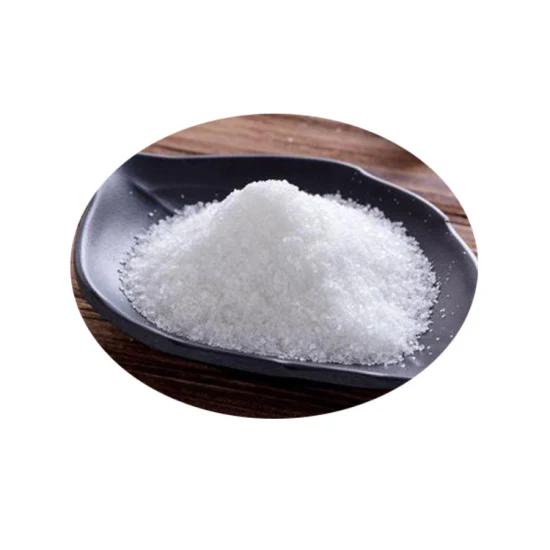
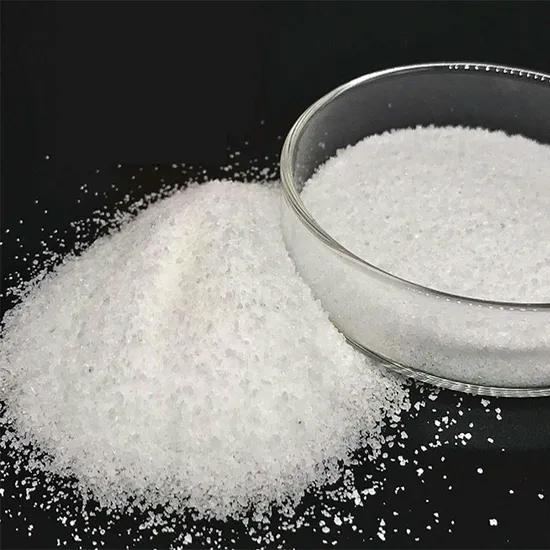
| Appearance | Granulars |
| Type | Sewage Treatment Chemicals |
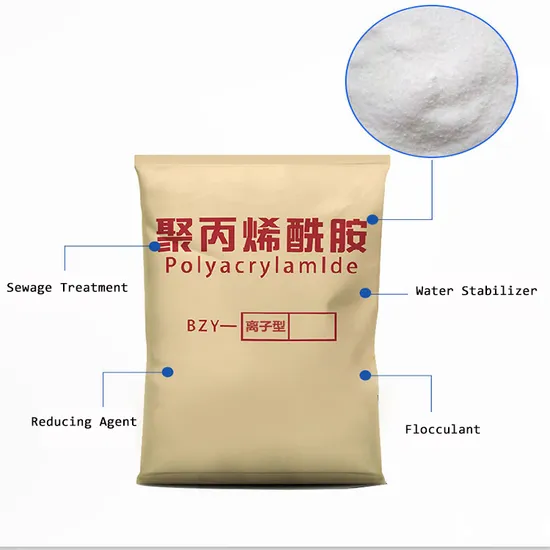
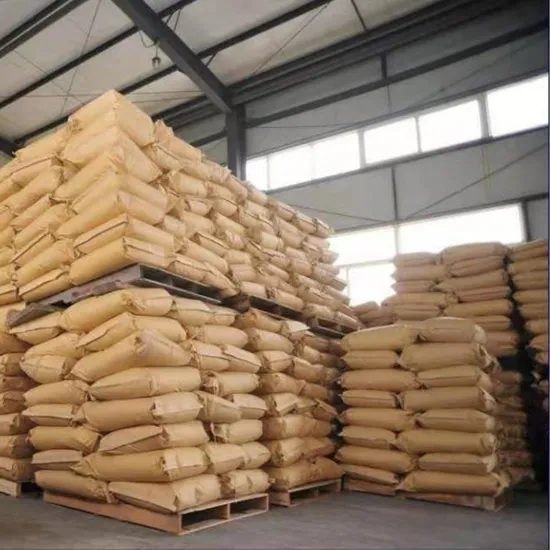
| Transport Package | Big Bag: 500kg/600kg Kraft Bag; Small Bag: 25kg |
| Specification | Powder Granular |
| Origin | Henan China |
| Production Capacity | 10000tons /Year |
| Package Size | 49.00cm * 35.00cm * 18.00cm |
| Package Gross Weight | 25.100kg |
Flocculant PAM (EINECS 201-173-7): Solving Oil Industry Sewage Treatment Challenges
Oil refineries and petrochemical plants often face critical challenges with sewage treatment efficiency—unstable flocculation performance leading to non-compliant discharge, inconsistent product quality causing process disruptions, and delayed deliveries impacting operational timelines. Having supported over 10,000 industrial clients across 50+ countries, we understand how these issues directly affect production costs and environmental compliance.
Reliable Flocculant PAM Solutions for Oil Industry Wastewater
Our Flocculant PAM addresses these pain points through rigorous manufacturing control and tailored supply chain services. As a 10+ year industry expert, we provide both Anionic and Cationic Polyacrylamide variants specifically formulated for oil industry sewage treatment, ensuring consistent performance batch after batch. Our integrated logistics network, including bonded warehousing and cross-border trade support, guarantees timely delivery even for large-scale industrial orders.
Key Applications in Oil Industry Sewage Treatment
Polyacrylamide plays a vital role in industrial wastewater management, particularly in the oil sector. It effectively separates oil-water emulsions, removes suspended solids, and reduces COD levels in refinery effluent. This Sewage Treatment PAM is widely used in upstream drilling operations, midstream pipeline maintenance, and downstream refining processes, helping facilities meet strict environmental regulations through efficient solid-liquid separation.
Critical Specifications for Optimal Performance
The granular appearance of our Polyacrylamide ensures easy dissolution and uniform mixing, preventing clumping that can disrupt treatment processes. Its neutral acid-base property maintains stability across varying pH conditions in oil wastewater, a crucial factor for consistent flocculation efficiency. The 25kg packaging option balances handling convenience with product freshness, while our annual production capacity of 10,000 tons guarantees long-term supply stability—eliminating the risk of production downtime due to material shortages.
Benefits of Choosing Our Polyacrylamide Products
Using high-quality Flocculant PAM translates to tangible operational benefits: reduced chemical usage through superior flocculation efficiency, lower disposal costs via improved solid separation, and minimized environmental liabilities by ensuring discharge compliance. In contrast, inferior products often lead to incomplete treatment, equipment fouling, and potential regulatory penalties. Our commitment to environmental protection aligns with global sustainability standards, making our Polyacrylamide a responsible choice for industrial applications.
Our Quality Assurance Commitment
Every batch of our Anionic and Cationic Polyacrylamide undergoes comprehensive testing, including purity analysis and performance evaluation under simulated oil wastewater conditions. We provide a Certificate of Analysis (COA) with each shipment, detailing key parameters to verify compliance with your specifications. Our quality control process adheres to strict industrial standards, and we offer prompt replacement for any product failing to meet stated specifications. With dedicated technical support, we assist clients in optimizing dosage and application methods for their specific sewage treatment systems.
Certificate of Analysis & Documentation
Each order includes a batch-specific COA and MSDS, providing detailed safety and handling information. For critical applications, additional documentation can be provided upon request, including manufacturing process records and stability test data. Specific batch information remains accessible for traceability, ensuring full transparency in our supply chain.
Storage & Handling
- Store in a cool, dry, well-ventilated area, sealed and away from direct sunlight.
- Keep away from incompatible materials, food and feed sources.
- Handle with appropriate personal protective equipment (gloves, goggles, lab coat).
- Follow good industrial hygiene practices. Avoid inhalation and skin contact.
- Refer to MSDS for detailed storage and safety instructions.
Streamlined Ordering Process
Initiate your order by submitting an inquiry with your specific requirements, including Polyacrylamide type (Anionic/Cationic) and quantity. We will provide a comprehensive quotation including logistics options, then arrange sample delivery for your evaluation. Once specifications are confirmed, bulk orders can be processed with flexible delivery schedules to align with your production timeline. All shipments include complete documentation for customs clearance and quality verification.
Frequently Asked Questions
Q: What is the shelf life of the Polyacrylamide product?
A: When stored properly in unopened packaging, the product maintains stability for 24 months from the manufacturing date.
Q: Can this Flocculant PAM be used for food or pharmaceutical applications?
A: No, this product is strictly for industrial and laboratory research use only, not for direct human consumption or medical applications.
Q: What documents are provided with each shipment?
A: Each order includes a Certificate of Analysis (COA) and Material Safety Data Sheet (MSDS).
Q: Is custom packaging available besides the standard 25kg bags?
A: Yes, we offer big bag options (500kg/600kg Kraft Bag) for large-volume orders.
Q: How is the product's purity ensured?
A: All batches undergo rigorous testing as part of our quality control process, with results documented in the COA provided with each shipment.