
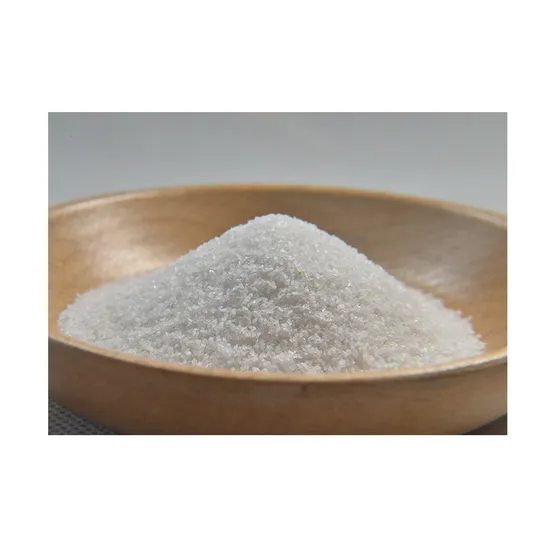
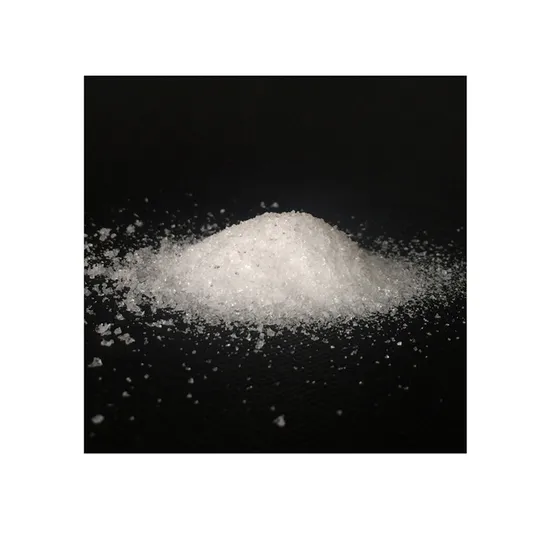
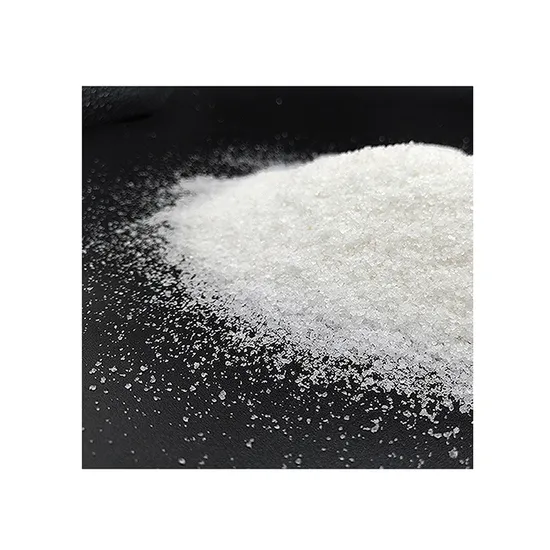
For industrial manufacturing and laboratory research purposes only.
Product Specifications
| Parameter | Value |
|---|---|
| Model NO. | Activated Carbon |
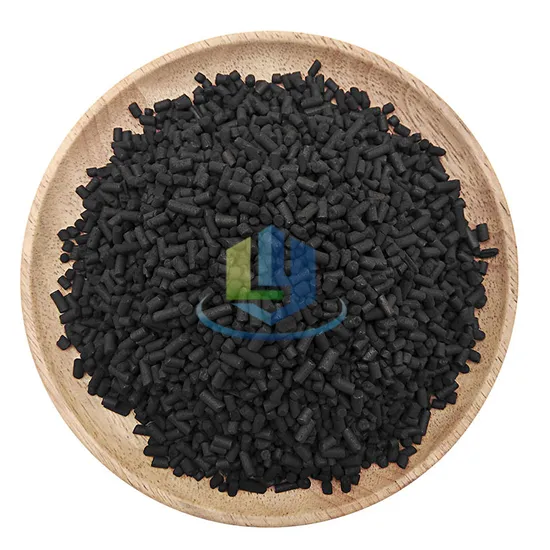
| Usage | Air Purification, Gas Phase Adsorption, Industrial Decolorization, Water Treatment |
| Carbon Content | High-Carbon |
| Pore Diameter | Macroporous |
| Manufacturing Method | Physical-Chemical Method of Activated Carbon |
| Type | Gas Adsorption |
| Physical Properties | Pore Volume |
| Chemical Properties | pH Value |
| Adsorption Properties | Methylene Blue Adsorption Value |
| CAS No. | 64365-11-3 |
| Formula | C |
| Einecs | 264-846-4 |
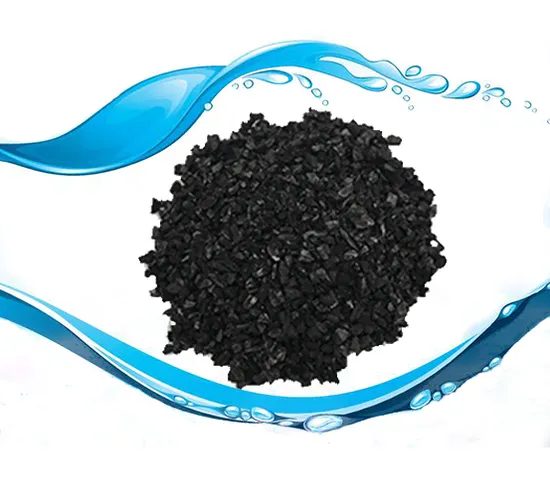
| Active Carbon Material | Coconut Shell Activated Carbon |
| Transport Package | 25kg, 500kg |
| Specification | granular |
| Origin | China |
| HS Code | 3802109000 |
| Production Capacity | 2000tons/Day |
Coconut Shell Activated Carbon (CAS 64365-11-3) for Efficient Mercaptan Removal in Industrial Filtration Systems
For over a decade in chemical supply, we've witnessed how inconsistent adsorption performance in activated carbon can disrupt production lines—whether it's mercaptan odors persisting in food plant filtration or inefficient pollutant removal in aquaculture wastewater treatment. Our clients often report batch-to-batch variations that lead to unexpected downtime and compliance issues, challenges we've addressed through specialized material selection and rigorous quality control.
High-Carbon Coconut Shell Activated Carbon: Engineered for Targeted Adsorption
Our Coconut Shell Activated Carbon is specifically optimized for mercaptan removal, leveraging macroporous structure and high-carbon content to deliver consistent performance across industrial applications. With production capacity of 2000 tons per day and supply chain services spanning 50+ countries, we ensure stable availability for both large-scale manufacturing and precision laboratory research, eliminating the delays caused by unreliable sourcing.
Industrial Applications: From Food Plant Filtration to Aquaculture Wastewater Treatment
This granular activated carbon finds critical use in food processing facilities for volatile organic compound (VOC) removal, particularly mercaptans that affect product quality. In aquaculture, it serves as a key component in wastewater treatment systems, adsorbing organic contaminants and maintaining water quality standards. Its gas adsorption capabilities also make it suitable for industrial decolorization and air purification processes, providing a versatile solution for multiple manufacturing needs.
Key Specifications Driving Performance: Why Macroporous Structure Matters
The macroporous design of our Coconut Shell Activated Carbon ensures efficient mass transfer, a critical factor for mercaptan removal where rapid adsorption kinetics directly impact process throughput. High-carbon content enhances adsorption capacity, reducing the frequency of media replacement and lowering long-term operational costs. Methylene Blue Adsorption Value, a standard measure of porous efficiency, confirms its effectiveness in capturing organic compounds—a specification we validate through third-party laboratory testing for every production batch.
Reliable Supply vs. Costly Downtime: The Value of Consistent Quality
Using substandard activated carbon can lead to regulatory non-compliance in food processing or inadequate pollutant removal in aquaculture, risking production halts and reputational damage. Our product adheres to strict manufacturing standards, ensuring each batch meets the same high-carbon content and pore structure specifications. This consistency translates to predictable performance, reducing the need for emergency replacements and maintaining steady production flow—ultimately delivering better total cost of ownership compared to cheaper, inconsistent alternatives.
Our Quality Commitment: Beyond Compliance
Every lot of Coconut Shell Activated Carbon undergoes comprehensive testing, including pore volume analysis and adsorption efficiency verification via methylene blue testing. We provide a Certificate of Analysis (COA) with each shipment, detailing key parameters like pH value and carbon content. Our physical-chemical activation process is validated under ISO 9001 standards, ensuring replicable quality. Should any batch fail to meet specifications, we offer full replacement—no questions asked—backed by our 10+ years of industry expertise.
Certificate of Analysis & Documentation
Each delivery includes a batch-specific COA and MSDS, providing detailed safety and handling information. For specialized research needs, we can arrange additional testing reports, including adsorption isotherm data. Customers may request access to raw检测数据 by providing their order number, ensuring full transparency of our quality control processes.
Storage & Handling
- Store in a cool, dry, well-ventilated area, sealed and away from direct sunlight.
- Keep away from incompatible materials, food and feed sources.
- Handle with appropriate personal protective equipment (gloves, goggles, lab coat).
- Follow good industrial hygiene practices. Avoid inhalation and skin contact.
- Refer to MSDS for detailed storage and safety instructions.
Streamlined Order Process for Industrial Buyers
Simply submit an inquiry with your required quantity and specifications—we offer flexible packaging options from 25kg to 500kg to suit your operational needs. For first-time users, we provide sample quantities for performance evaluation before full-scale ordering. All shipments include necessary customs documentation, leveraging our experience in cross-border chemical trade to ensure timely delivery.
Frequently Asked Questions
Q: What is the shelf life of this activated carbon?
A: When stored properly in sealed packaging, the product maintains its adsorption properties for 24 months from the manufacturing date.
Q: Can this product be used directly in food or pharmaceutical applications?
A: No. This product is for industrial and laboratory research use only, not for direct contact with consumable products.
Q: What documentation is provided with each order?
A: Every shipment includes a Certificate of Analysis (COA) and Material Safety Data Sheet (MSDS).
Q: Do you offer custom packaging or particle sizes?
A: Please contact our sales team with specific requirements—custom specifications may be available for large-volume orders.
Q: How is the carbon content verified?
A: Carbon content is measured via elemental analysis, with results documented in the batch COA. Third-party validation is available upon request.