For industrial manufacturing and laboratory research purposes only.
Product Specifications
| Parameter | Value |
|---|---|
| Model NO. | Polyacrylamide |
| EINECS | 201-173-7 |
| Acid-Base Property | Acidic Surface Disposal Agent |
| Certification | ISO9001 |
| Environmental Protection | Yes |
| Color | White |
| Appearance | Granulars |
| Type | Industrial Circulating Water Treatment Agent |
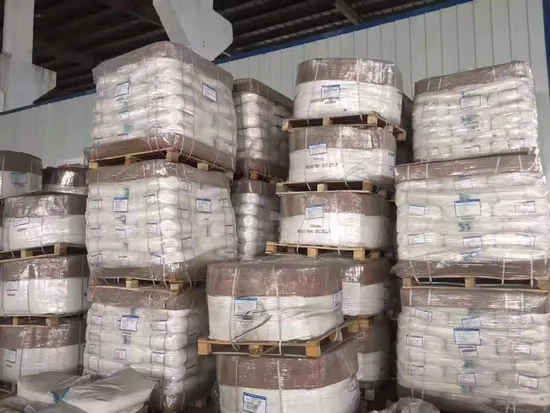
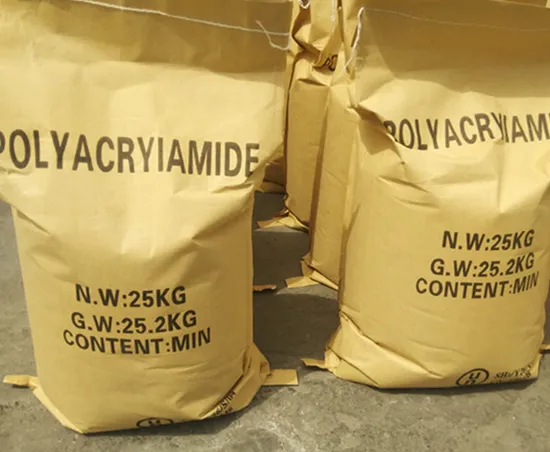
| Transport Package | Big Bag: 500kg/600kg Kraft Bag; Small Bag: 25kg |
| Specification | Powder granular |
| Origin | Henan China |
| HS Code | 39069010 |
| Production Capacity | 2000ton |
Anionic Polyacrylamide (PAM) Friction Reducer with EINECS 201-173-7 for Textile Manufacturing Challenges
For over a decade in textile chemical supply, we’ve witnessed how inconsistent friction reducer performance disrupts production lines—unstable viscosity leading to uneven fabric treatment, batch-to-batch variation causing quality control failures, and delayed deliveries derailing production schedules. These issues aren’t just inconvenient; they directly impact your bottom line and reputation with clients.
Stable Friction Reduction Solution for Textile Industry Efficiency
Our Anionic Polyacrylamide (PAM) Friction Reducer addresses these critical pain points through ISO9001-certified manufacturing and rigorous quality control. As a trusted partner serving 50+ countries, we deliver consistent granular formulations that ensure reliable friction reduction in textile processes, from yarn sizing to fabric finishing. Our supply chain, backed by 2000-ton annual production capacity, guarantees on-time delivery even for large-scale orders.
Key Applications in Textile Manufacturing
This Textile Industry PAM serves as a high-performance friction reducer, optimizing the flow properties of textile auxiliaries and reducing fiber-to-fiber friction during processing. It enhances yarn lubrication, minimizes breakage rates, and improves fabric smoothness—critical for high-speed weaving and dyeing operations. The product is strictly intended for industrial textile manufacturing use, adhering to global industry standards.
Critical Specifications for Textile Process Reliability
The white granular appearance of our Anionic PAM ensures easy dispersion and uniform mixing with other textile chemicals, preventing clumping that could clog production equipment. Its acidic surface properties are specifically engineered to interact with textile fibers, providing consistent friction reduction across different fabric types. ISO9001 certification guarantees that every batch meets stringent quality benchmarks, while the 25kg small bag packaging option allows for precise inventory management in production facilities.
Benefits of ISO9001 PAM Granulars for Your Operations
Choosing our PAM Friction Reducer ISO9001 certified product means investing in process stability and cost efficiency. Unlike substandard alternatives that cause frequent equipment maintenance and product rejections, our consistent formulation reduces waste and unplanned downtime. Environmental protection compliance ensures alignment with sustainable manufacturing practices, while our reliable supply chain eliminates the risk of production halts due to material shortages.
Our Quality Commitment: Beyond Compliance
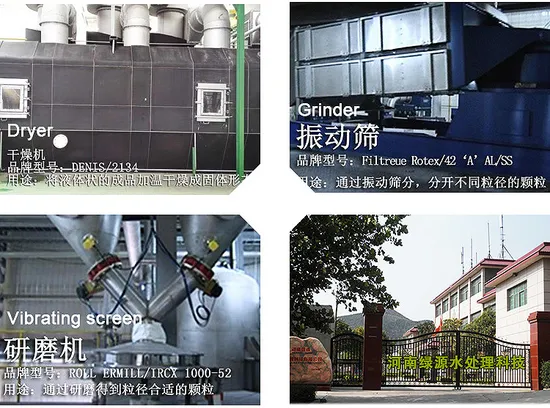
We maintain rigorous quality control through multiple testing phases, including Fourier Transform Infrared (FTIR) spectroscopy for chemical structure verification and particle size analysis to ensure granular uniformity. Every shipment includes a Certificate of Analysis (COA) with batch-specific test results. Our 10+ years of experience in chemical supply chain management enables us to provide tailored logistics solutions, including bonded warehousing options for cost-effective cross-border trade in the Asia-Pacific region.
Certificate of Analysis & Documentation
Each order is accompanied by a detailed COA and MSDS, providing comprehensive safety and handling information. Specific batch testing data, including viscosity and molecular weight measurements, can be requested using your order number. For critical applications, we offer extended documentation packages with full analytical test reports.
Storage & Handling
- Store in a cool, dry, well-ventilated area, sealed and away from direct sunlight.
- Keep away from incompatible materials, food and feed sources.
- Handle with appropriate personal protective equipment (gloves, goggles, lab coat).
- Follow good industrial hygiene practices. Avoid inhalation and skin contact.
- Refer to MSDS for detailed storage and safety instructions.
Streamlined Order Process for Textile Manufacturers
Start by submitting an online inquiry with your specific application requirements. Our technical team will provide a tailored recommendation and arrange sample delivery for performance testing. Once specifications are confirmed, we process your order with flexible lead times to align with your production schedule. All shipments include complete documentation for customs clearance and quality assurance.
Frequently Asked Questions
Q: What is the shelf life of the Anionic PAM Friction Reducer?
A: When stored properly in sealed packaging under recommended conditions, the product has a shelf life of 24 months from the production date.
Q: Is this product suitable for food or pharmaceutical applications?
A: No, this product is strictly for industrial and laboratory research use only, not for direct human consumption, therapeutic, or household use.
Q: What documentation is provided with each shipment?
A: Every order includes a Certificate of Analysis (COA), Material Safety Data Sheet (MSDS), and shipping documents compliant with international trade regulations.
Q: Can the packaging be customized for bulk orders?
A: Yes, we offer custom packaging solutions for bulk orders, including 500kg/600kg kraft big bags and tailored labeling options upon request.
Q: How is the product's effectiveness as a friction reducer verified?
A: Each batch undergoes viscosity testing and friction coefficient measurement under simulated textile processing conditions, with results available in the COA.