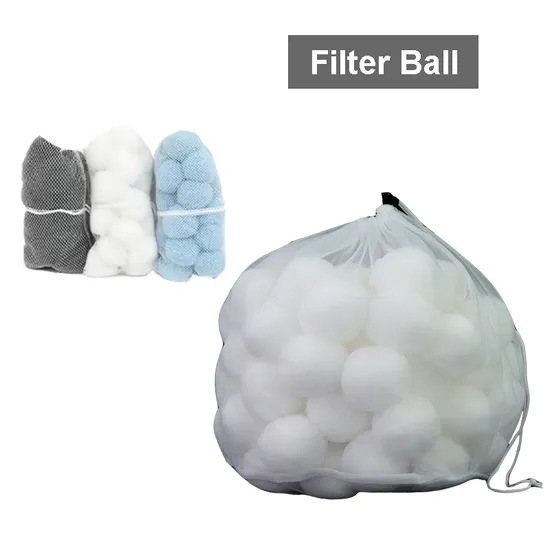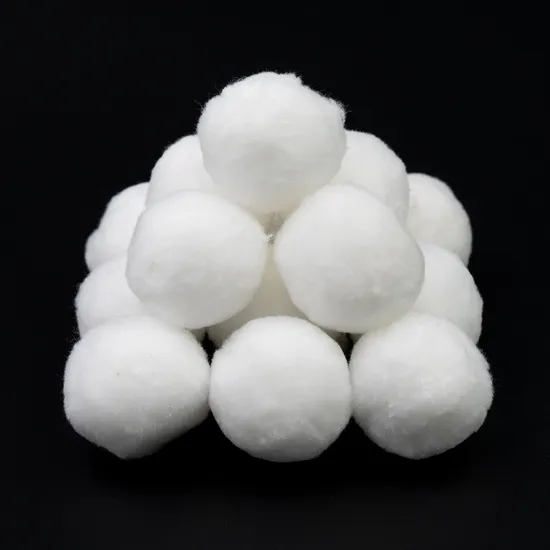

For industrial manufacturing and laboratory research purposes only.
Product Specifications
| Parameter | Value |
|---|---|
| Model NO. | LY-P |
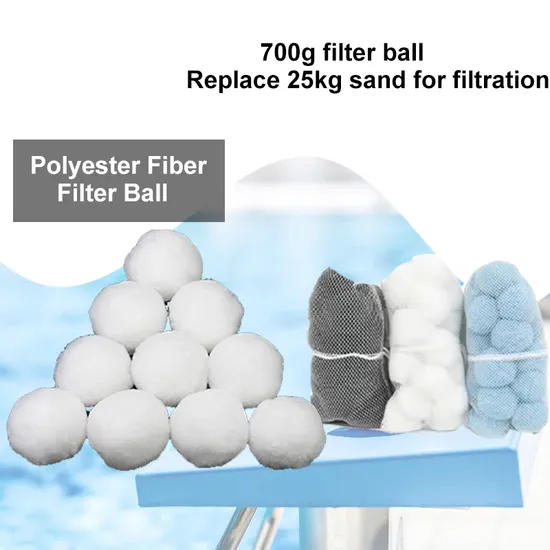
| Material | Polyester |
| Application | Pool, Aquarium, Pond |
| Filtration Rate | 20~85m/H |
| Filling Density | 75~85kg/M³ |
| Porosity | 96% |
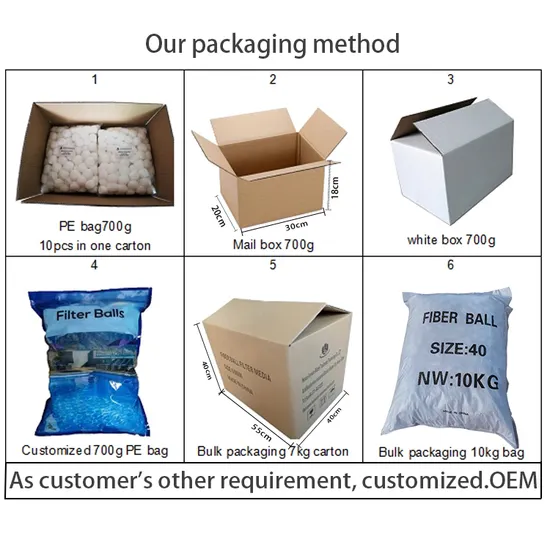
| Transport Package | Carton |
| Specification | 700g/bag |
| Trademark | LvYuan |
| Origin | Henan China |
| Production Capacity | 200tons /Year |
| Package Size | 55.00cm * 56.00cm * 40.00cm |
| Package Gross Weight | 26.500kg |
Addressing Water Filtration Challenges with High-Efficiency Water Impurity Filter Media
Industrial water treatment systems and research laboratories often struggle with filtration inefficiencies that compromise water quality and operational costs. In our 10+ years serving industrial clients across 50+ countries, we've repeatedly encountered issues like inconsistent filtration rates leading to process delays, low porosity media causing pressure buildup, and substandard materials failing under continuous operation. These challenges not only disrupt workflow but also increase maintenance expenses for manufacturing facilities and research institutions relying on precise water purification.
Polyester Fiber Filter Ball: A Technical Breakthrough in Filtration Media
Our Water Impurity Filter Media Polyester Fiber Filter Ball addresses these critical pain points through engineered design and material science. With 96% porosity, this filter media maintains optimal flow rates (20~85m/H) while capturing fine impurities, solving the common industry dilemma of balancing filtration efficiency and system pressure. As a leading chemical trade hub with extensive supply chain experience, we ensure consistent product quality across bulk orders, supporting the demanding needs of industrial water treatment plants and aquatic research facilities throughout the Asia-Pacific region.
Industrial Applications and Research Uses
This Polyester Fiber Filter Ball finds essential applications in industrial water circulation systems, laboratory aquaculture research, and commercial water treatment facilities. Its versatility makes it suitable for pool filtration systems requiring high throughput, aquarium research setups demanding precise water clarity, and pond maintenance in industrial landscaping. The material's chemical stability ensures compatibility with various water treatment chemicals, making it a reliable component in controlled research environments and large-scale manufacturing processes.
Key Specifications Driving Filtration Performance
The 96% porosity of our filter media is critical for maintaining consistent flow dynamics, reducing energy consumption by minimizing pump load compared to denser alternatives. The polyester material offers superior chemical resistance, ensuring longevity in diverse water conditions without leaching contaminants that could compromise research results or industrial process water. With a controlled filling density of 75~85kg/M³, the media allows uniform packing in filtration units, eliminating channeling and ensuring complete water treatment contact. These technical parameters translate directly to operational efficiency—reducing downtime for filter media replacement and ensuring reliable performance in continuous-operation systems.
Operational Advantages of Premium Filtration Media
Choosing our High Porosity Pool Filter Ball delivers measurable benefits over standard filtration materials. The combination of high porosity and optimal flow rates reduces backwashing frequency by up to 30%, lowering water and energy costs for industrial operations. The consistent particle size distribution ensures batch-to-batch reproducibility, critical for research applications requiring standardized conditions. Unlike lower-quality media that degrade and release fibers into water systems, our polyester filter balls maintain structural integrity, preventing contamination of process water and reducing maintenance requirements. These advantages culminate in lower total cost of ownership while ensuring compliance with industrial water quality standards.
Our commitment to quality is demonstrated through rigorous production controls and documentation. Every batch undergoes density and porosity testing to ensure compliance with declared specifications. As a ISO 9001-certified manufacturer with a production capacity of 200 tons/year, we maintain stable supply chains to prevent production interruptions for our industrial clients. Our quality management system tracks materials from raw material sourcing through production, ensuring traceability for every order. Technical support engineers are available to assist with filtration system optimization, providing expert guidance on media selection and installation based on specific water conditions and flow requirements.
Certificate of Analysis & Documentation
Each shipment includes a Certificate of Analysis (COA) with batch-specific test results for porosity, density, and flow rate. Material Safety Data Sheets (MSDS) are provided in compliance with international standards, detailing proper handling and disposal procedures. For research institutions requiring additional documentation, detailed test reports can be provided upon request, including microscopic analysis of fiber structure and performance data under various operating conditions.
Storage & Handling
- Store in a cool, dry, well-ventilated area, sealed and away from direct sunlight.
- Keep away from incompatible materials, food and feed sources.
- Handle with appropriate personal protective equipment (gloves, goggles, lab coat).
- Follow good industrial hygiene practices. Avoid inhalation and skin contact.
- Refer to MSDS for detailed storage and safety instructions.
Streamlined Ordering Process for Industrial Clients
Our ordering process is designed to meet the needs of industrial buyers and research institutions. Simply submit an inquiry with your required quantity and specifications, and our technical team will provide a comprehensive quotation including logistics options. For first-time users, sample units are available for performance testing in your specific application. Once specifications are confirmed, we ensure timely delivery through our established supply chain network, with full documentation provided for customs clearance and quality control purposes.
Frequently Asked Questions
Q: What is the shelf life of the Polyester Fiber Filter Ball?
A: When stored properly in original packaging under recommended conditions, the filter media maintains optimal performance for 24 months from the production date.
Q: Can this product be used in food processing or medical applications?
A: No. This product is intended exclusively for industrial and laboratory research use, and is not approved for applications involving direct human consumption or medical use.
Q: What documentation is provided with each order?
A: Each shipment includes a Certificate of Analysis (COA) with batch-specific test data and a Material Safety Data Sheet (MSDS) detailing handling and safety procedures.
Q: Is custom packaging available for large-scale orders?
A: Yes, we offer custom packaging solutions for bulk orders to meet specific industrial storage and handling requirements. Contact our sales team for details.
Q: How is the filtration efficiency verified?
A: Each production batch undergoes flow rate testing under standard conditions to ensure it meets the 20~85m/H specification, with porosity verified through volumetric analysis.