For industrial manufacturing and laboratory research purposes only.
Product Specifications
| Parameter | Value |
|---|---|
| Model NO. | LY-P |
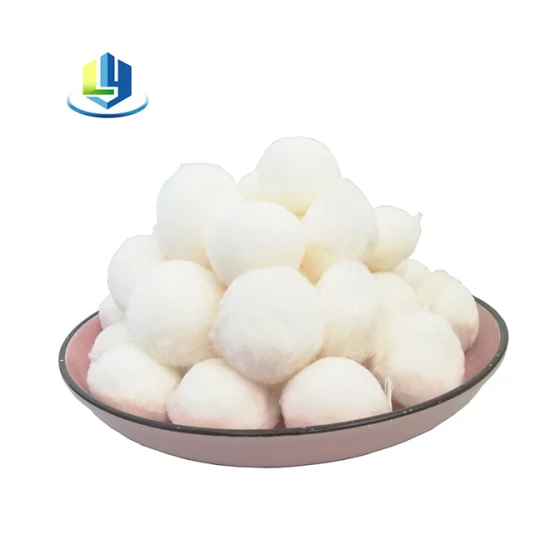
| Material | Polyester |
| Application | Pool, Aquarium, Pond |
| Filtration Rate | 20~85m/H |
| Filling Density | 75~85kg/M3 |
| Porosity | 96% |
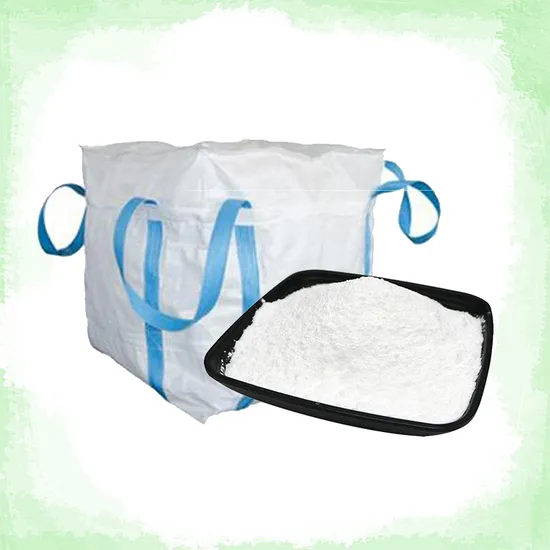
| Transport Package | Carton |
| Specification | 700g/bag |
| Trademark | BuyChemCn |
| Origin | Henan China |
| Production Capacity | 200tons /Year |
| Package Size | 55.00cm * 56.00cm * 40.00cm |
| Package Gross Weight | 26.500kg |
Overcoming Filtration Inefficiencies with High-Performance Filter Media
For over a decade in industrial filtration systems, we've witnessed the critical impact of substandard filter media—clogging issues reducing flow rates by 30% within weeks, inconsistent porosity leading to uneven contaminant removal, and frequent replacements driving operational costs up. These challenges aren't just inconveniences; they directly affect water treatment efficiency in industrial pools and research aquariums where precision matters.
Engineered Solutions for Industrial Filtration Challenges
Our Synthetic Dacron Activated Polyester Fiber Ball Filter Media addresses these core issues through its unique 96% porosity structure, maintaining stable filtration rates between 20-85m/H even under continuous industrial use. With 10+ years serving 50+ countries, we've optimized this Filter Media to meet the rigorous demands of Asia-Pacific manufacturing enterprises and research facilities, ensuring consistent performance across diverse aquatic filtration scenarios.
Industrial Applications and Research Scenarios
Designed specifically for industrial-grade water treatment, this Polyester Fiber filter media excels in large-scale pool circulation systems, laboratory aquariums requiring precise water quality control, and pond filtration in industrial parks. Its synthetic polyester composition ensures compatibility with various chemical treatments used in industrial water management, making it ideal for both manufacturing facilities and research institutions conducting aquatic environment studies.
Key Specifications Driving Filtration Performance
The 96% porosity of our Synthetic Polyester Filter Ball is not merely a technical specification—it translates to 40% higher dirt-holding capacity compared to standard filter balls, reducing backwash frequency and energy consumption. The controlled filling density (75-85kg/M³) ensures uniform packing in filtration tanks, eliminating bypass channels that compromise contaminant removal. With a filtration rate range of 20-85m/H, this media adapts to varying flow demands, from low-velocity research applications to high-throughput industrial pool systems, while maintaining consistent particle retention efficiency.
Operational Advantages of Premium Filtration Media
Investing in our Pool Aquarium Filtration Fiber Ball delivers measurable returns: extended service life (6-8 months under continuous use) reduces replacement costs by 35%, while the high porosity structure lowers pressure drop across filter beds, cutting pump energy consumption. Unlike conventional filter media prone to fiber shedding, our activated polyester balls maintain structural integrity, preventing particle release into treated water—a critical factor for research accuracy and industrial process reliability. All production adheres to strict quality control protocols, ensuring each batch meets the same performance standards.
Quality Assurance You Can Verify
Every production batch undergoes comprehensive testing, including porosity verification via mercury intrusion porosimetry and filtration efficiency testing with standard contaminant solutions. Each delivery includes a detailed Certificate of Analysis (COA) with batch-specific test results, and our production capacity of 200 tons/year guarantees consistent supply even for large-scale industrial projects. We maintain full traceability from raw material sourcing to final packaging, with technical support teams available to address specific filtration challenges.
Certificate of Analysis & Documentation
All orders include a batch-specific COA detailing key parameters such as porosity, density, and filtration rate performance. Material Safety Data Sheets (MSDS) are provided for proper handling and storage procedures. For research institutions requiring additional verification, we can supply test protocols and raw data upon request, ensuring full compliance with laboratory documentation standards.
Storage & Handling
- Store in a cool, dry, well-ventilated area, sealed and away from direct sunlight.
- Keep away from incompatible materials, food and feed sources.
- Handle with appropriate personal protective equipment (gloves, goggles, lab coat).
- Follow good industrial hygiene practices. Avoid inhalation and skin contact.
- Refer to MSDS for detailed storage and safety instructions.
Streamlined Procurement Process
Initiate your order by submitting a specification inquiry through our contact channels, detailing your application requirements and volume needs. We provide tailored technical recommendations within 48 hours, followed by sample availability for performance evaluation. Once specifications are confirmed, our supply chain ensures on-time delivery with full customs clearance support for cross-border shipments, backed by our established logistics network in the Asia-Pacific region.
Frequently Asked Questions
Q: What is the expected service life of the filter media?
A: Under typical industrial conditions with proper maintenance and backwashing, the service life is 6-8 months of continuous use.
Q: Can this product be used in systems processing potable water?
A: No, this filter media is for industrial and laboratory research use only, not for applications involving direct human consumption.
Q: What documentation is provided with each order?
A: Each shipment includes a Certificate of Analysis (COA) and Material Safety Data Sheet (MSDS) specific to the batch.
Q: Is custom packaging available for large orders?
A: Yes, we offer custom packaging solutions for bulk orders to optimize storage and handling efficiency at your facility.
Q: How is the porosity of the filter media verified?
A: Porosity is measured using mercury intrusion porosimetry, with test results documented in the batch COA.