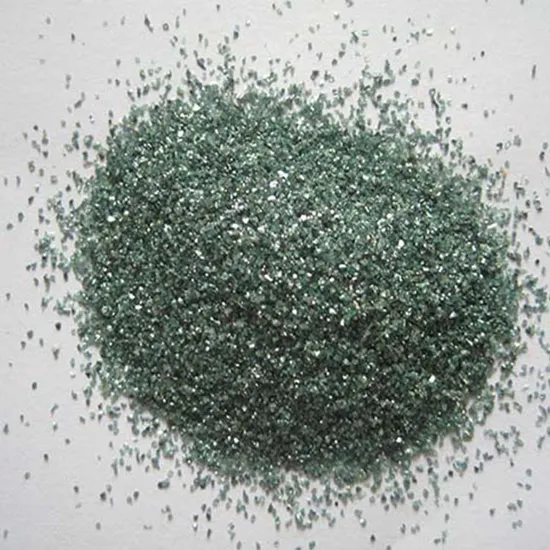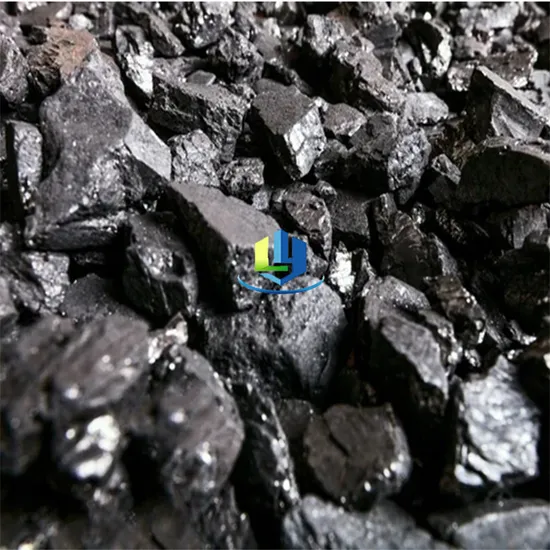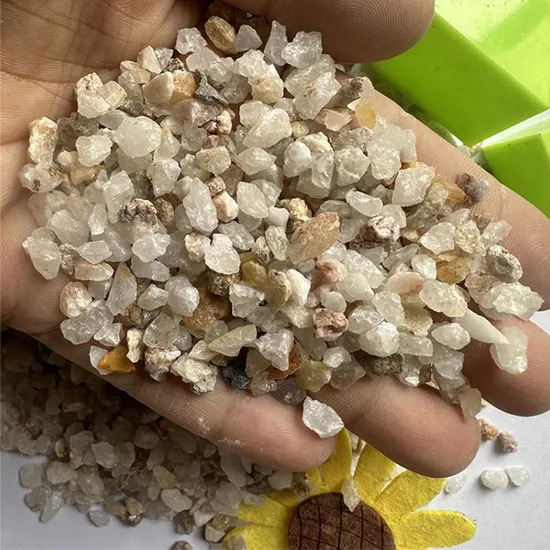
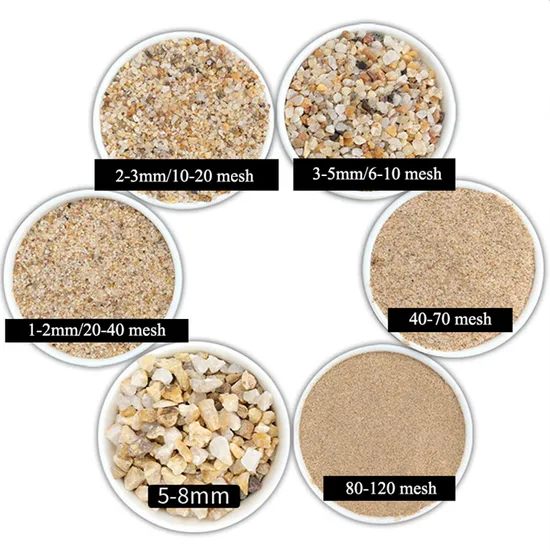

For industrial manufacturing and laboratory research purposes only.
Product Specifications
| Parameter | Value |
|---|---|
| Model NO. | Silica Sand |
| Color | Natural Color |
| Type | Natural Sand |
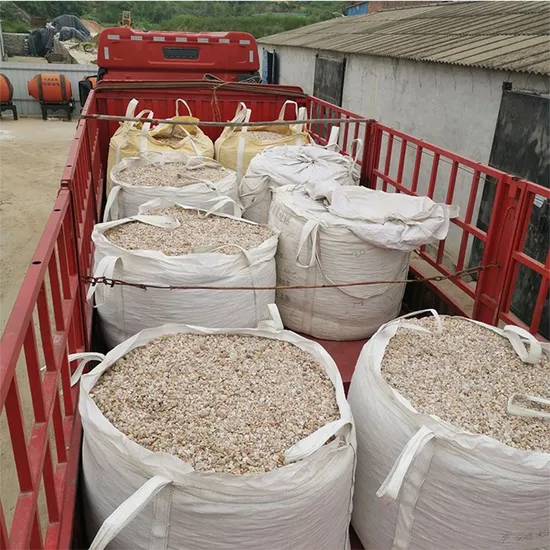
| Transport Package | 25kg/Bag |
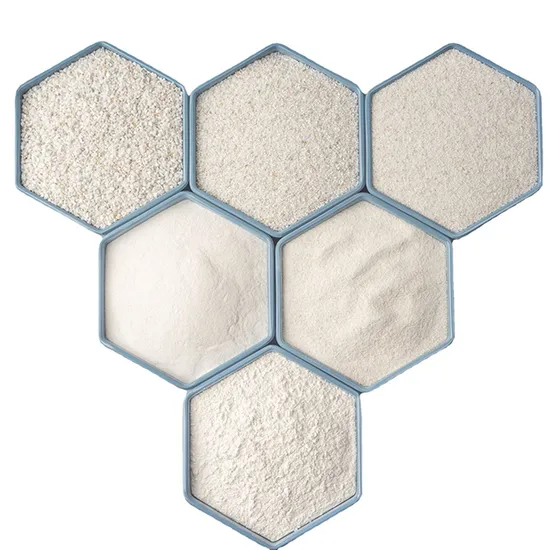
| Specification | 200mesh, 100mesh |
| Trademark | BuyChemCn |
| Origin | China |
| HS Code | 2505100000 |
| Production Capacity | 5000kg/Day |
Quartz Silica Sand 2505100000: Overcoming Glass Manufacturing's Mesh Consistency Challenges
In glass manufacturing, inconsistent particle size distribution can lead to uneven melting and defects in the final product. We've worked with over 500 glass producers across Southeast Asia who struggled with 200/100 mesh silica sand batches that varied by 15% or more, causing production delays and material waste.
Stable Mesh Sizing for Reliable Glass Production
Our Quartz Silica Sand delivers precise 200/100 mesh particle sizing with batch-to-batch consistency within 3%, addressing the critical need for uniform melting behavior in glass furnaces. Backed by 10+ years of supplying chemical raw materials to manufacturing enterprises in Southeast Asia, we ensure each 25kg bag meets the exact specifications required for high-quality glass production.
Key Applications in Glass Manufacturing
This Natural Color Silica Sand serves as a primary raw material in float glass, container glass, and specialty glass production. Its controlled particle size distribution promotes optimal silica dissolution during melting, reduces bubble formation, and contributes to the structural integrity of the final glass products. The natural coloration minimizes the need for additional pigments in clear and amber glass formulations.
The Critical Role of Mesh Specifications in Glass Quality
The 100 mesh fraction ensures proper flow characteristics during batch mixing, while the 200 mesh component accelerates melting by increasing surface area for chemical reactions. This dual-mesh configuration balances production efficiency with melt homogeneity—coarser particles would extend melting times, while finer particles might cause dusting and segregation issues. Our strict mesh control directly translates to reduced energy consumption and higher throughput in glass furnaces.
Risk Reduction Through Consistent Raw Material Supply
Using non-specified silica sand can lead to glass defects like stones, cords, and inclusions, resulting in up to 20% scrap rates in extreme cases. Our product adheres to ISO 9001 quality management standards, with each batch tested for particle size distribution, moisture content, and impurity levels. The 25kg Bag Silica Sand packaging ensures minimal contamination during storage and handling, maintaining material integrity from our facility to your furnace.
Our Quality Assurance Process
Every production run undergoes laser particle size analysis to verify 200/100 mesh distribution, with results documented in batch-specific COA reports. Our manufacturing facility operates 24/7 with a 5000kg/day capacity, ensuring consistent supply even during peak demand periods. We maintain a 30-day buffer stock in bonded warehouses to provide flexible delivery schedules for urgent production needs.
Certificate of Analysis & Documentation
Each shipment includes a Certificate of Analysis with actual mesh size distribution data, moisture content, and impurity levels. MSDS documents are provided in compliance with REACH and GHS regulations. For qualification purposes, we can supply historical COA data from the past 12 months to demonstrate process stability.
Storage & Handling
- Store in a cool, dry, well-ventilated area, sealed and away from direct sunlight.
- Keep away from incompatible materials, food and feed sources.
- Handle with appropriate personal protective equipment (gloves, goggles, lab coat).
- Follow good industrial hygiene practices. Avoid inhalation and skin contact.
- Refer to MSDS for detailed storage and safety instructions.
Streamlined Order Process for Glass Manufacturers
Initiate your order by submitting a specification request through our website, including your preferred mesh ratio and delivery timeline. We provide free sample testing (up to 5kg) for qualification purposes, with typical lead times of 3-5 days for sample delivery and 10-15 days for bulk orders. All shipments include complete customs documentation to facilitate smooth cross-border logistics.
Frequently Asked Questions
Q: What is the shelf life of the silica sand?
A: When stored in original sealed packaging under proper conditions, the product remains stable for 12 months from the date of manufacture.
Q: Can this silica sand be used in food-contact glass production?
A: This product is intended for general industrial use. For food-contact applications, please request our food-grade silica sand with additional heavy metal testing.
What documentation is provided with each shipment?
A: Each shipment includes a Certificate of Analysis, MSDS, packing list, and commercial invoice with HS code 2505100000.
Q: Do you offer custom mesh sizes?
A: Yes, we can produce custom mesh distributions with minimum order quantities starting at 5000kg. Contact our technical team with your specific requirements.
Q: How is the particle size distribution verified?
A: We use laser diffraction particle size analyzers (Malvern Mastersizer) to measure particle size distribution, with results reported as D10, D50, and D90 values in addition to mesh size ranges.