For industrial manufacturing and laboratory research purposes only.
Product Specifications
| Parameter | Value |
|---|---|
| Model NO. | Polyacrylamide |
| EINECS | 201-173-7 |
| Acid-Base Property | Acidic Surface Disposal Agent |
| Environmental Protection | Yes |
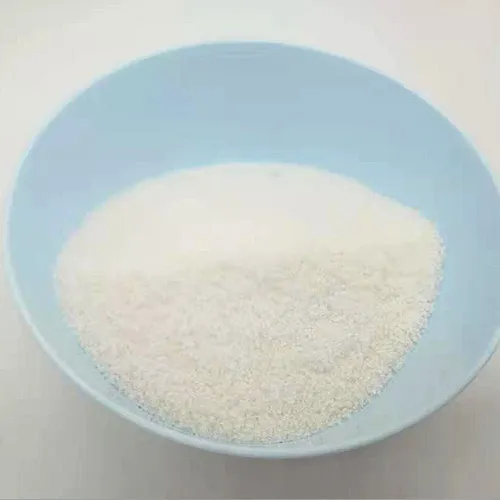
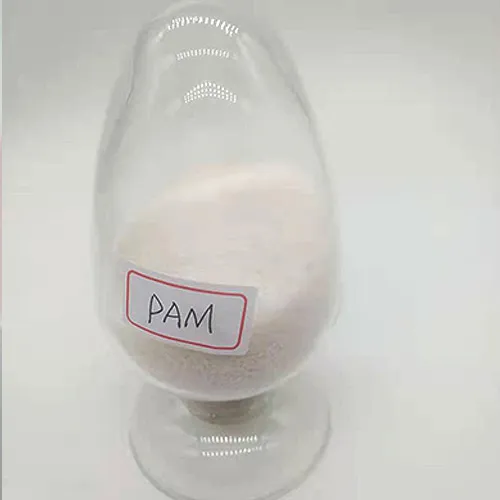
| Color | White |
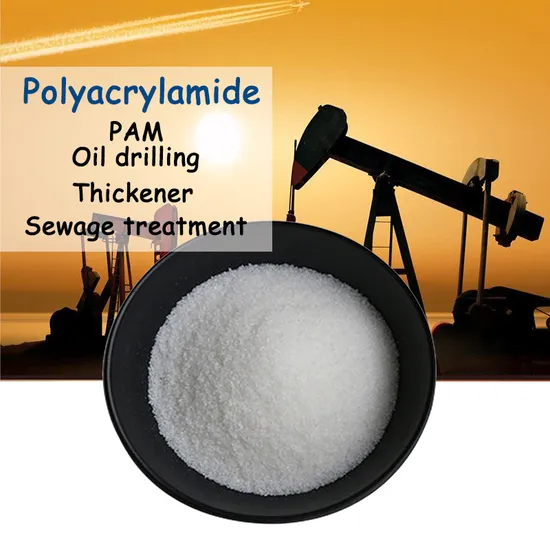
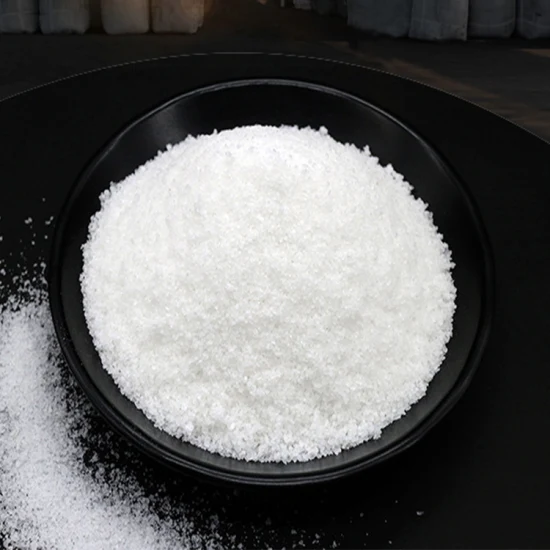
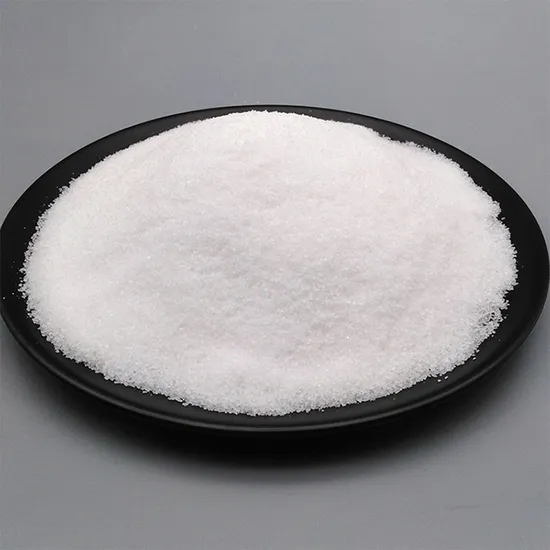
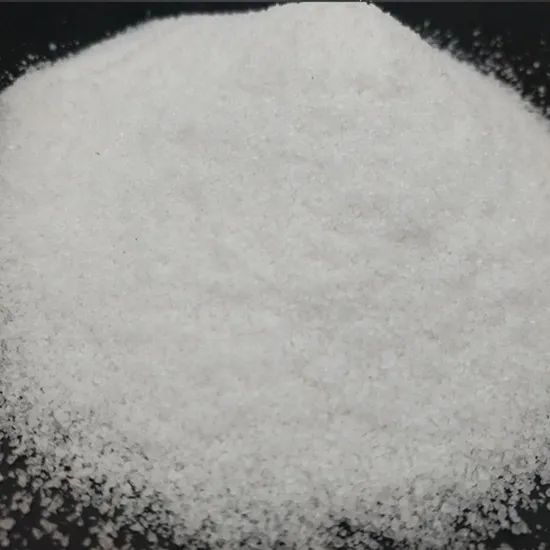
| Appearance | Granulars |
| Type | Industrial Circulating Water Treatment Agent |
| Delivery Time | 7-15days |
| Logo Customization | Support |
| Ionic | Anionic Cationic Nonionic |
| Purity | 99% |
| Transport Package | Big Bag: 500kg/600kg Kraft Bag; Small Bag: 25kg |
| Specification | Powder granular |
| Origin | Henan China |
| Production Capacity | 2000ton |
| Package Size | 49.00cm * 35.00cm * 18.00cm |
| Package Gross Weight | 25.100kg |
Addressing Water Treatment Challenges with Polyacrylamide PAM (EINECS 201-173-7)
Industrial water treatment facilities often face critical issues like inconsistent flocculation efficiency, unexpected sludge formation, and compliance failures due to substandard chemicals. In our 10+ years serving manufacturing plants across Southeast Asia, we've seen how purity fluctuations as small as 2% can double sedimentation time, while batch-to-batch ionic property variations lead to costly process reconfigurations.
Stable Performance Through Precision Manufacturing
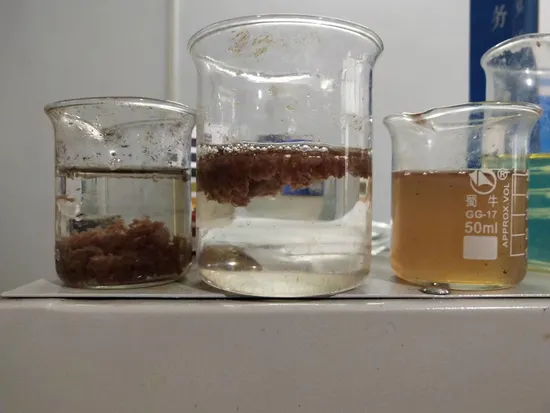
Our Polyacrylamide PAM Flocculant delivers the consistency industrial operations demand. With 99% purity and严格 controlled ionic characteristics (Anionic, Cationic, and Nonionic variants), this flocculant ensures reliable particle aggregation and solid-liquid separation in industrial water treatment processes. Backed by a 2000-ton annual production capacity and strategic bonded warehousing in Hong Kong, we provide uninterrupted supply even for large-scale manufacturing facilities.
Key Applications in Industrial Water Management
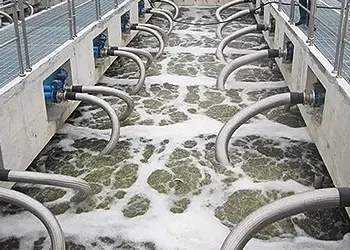
As a specialized Industrial Water Treatment Flocculant, this product excels in multiple scenarios: wastewater clarification in chemical processing plants, suspended solids removal in mining operations, and sludge dewatering in municipal treatment facilities. Its granular form allows easy dissolution and dosage control, making it suitable for both continuous flow systems and batch processing operations.
Critical Specifications for Optimal Performance
The 99% purity level minimizes impurities that could interfere with flocculation kinetics, ensuring efficient particle binding without introducing harmful byproducts. The precise granular specification guarantees uniform dissolution rates, preventing clogging in dosing systems and ensuring consistent treatment performance. Our Anionic Cationic PAM variants are formulated to address specific water chemistry conditions, with cationic types ideal for organic matter removal and anionic variants optimized for inorganic particle aggregation.
Quality Assurance: From Production to Delivery
Choosing our Polyacrylamide PAM means investing in process reliability and regulatory compliance. Our production adheres to strict quality control protocols, with each batch tested for purity, molecular weight distribution, and ionic charge density. Compared to lower-grade alternatives that may contain heavy metal residues or inconsistent polymer chains, our product reduces the risk of equipment fouling and ensures compliance with industrial wastewater discharge standards.
Our commitment to quality is demonstrated through comprehensive testing protocols: each production batch undergoes Fourier Transform Infrared (FTIR) spectroscopy to verify chemical structure, and particle size analysis to ensure uniform granular distribution. Every shipment includes a detailed Certificate of Analysis (COA) with batch-specific test results. We maintain full production records for 5 years, allowing complete traceability. Our quality management system is ISO 9001 certified, covering all stages from raw material selection to final delivery.
Certificate of Analysis & Documentation
Each order is accompanied by a batch-specific Certificate of Analysis detailing purity, ionic type, molecular weight, and solubility data. Material Safety Data Sheets (MSDS) are provided in compliance with GHS standards, including handling precautions and emergency procedures. For qualified customers, we can arrange third-party testing by ISO 17025 accredited laboratories to verify product specifications.
Storage & Handling
- Store in a cool, dry, well-ventilated area, sealed and away from direct sunlight.
- Keep away from incompatible materials, food and feed sources.
- Handle with appropriate personal protective equipment (gloves, goggles, lab coat).
- Follow good industrial hygiene practices. Avoid inhalation and skin contact.
- Refer to MSDS for detailed storage and safety instructions.
Streamlined Ordering Process
To ensure you receive the optimal Polyacrylamide variant for your specific application, our technical team provides free water sample analysis and dosage recommendation services. The ordering process is straightforward: submit your water characteristics and treatment requirements, receive a tailored product recommendation, request a sample for testing, and place your order with flexible delivery options through our bonded logistics network.
Frequently Asked Questions
Q: What is the shelf life of this Polyacrylamide PAM product?
A: When stored properly in sealed packaging under recommended conditions, the product maintains its effectiveness for 24 months from the date of manufacture.
Q: Can this product be used in food or pharmaceutical applications?
A: No, this product is FOR INDUSTRIAL AND LABORATORY RESEARCH USE ONLY and is not suitable for direct human consumption, therapeutic, or household use.
Q: What documentation is provided with each shipment?
A: Each shipment includes a Certificate of Analysis (COA) with batch-specific test results and a Material Safety Data Sheet (MSDS) in compliance with GHS standards.
Q: Is custom packaging available?
A: Yes, logo customization is supported, and we can provide alternative packaging sizes to meet specific handling requirements with minimum order quantities.
Q: How is the product's purity verified?
A: Purity is verified through multiple methods including FTIR spectroscopy and elemental analysis, with results documented in each batch's Certificate of Analysis.