
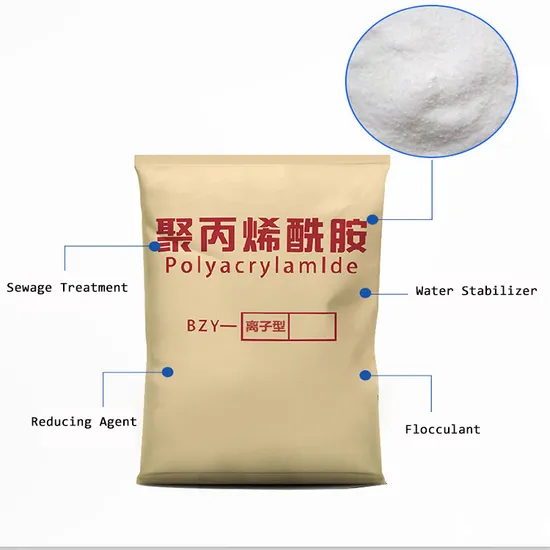
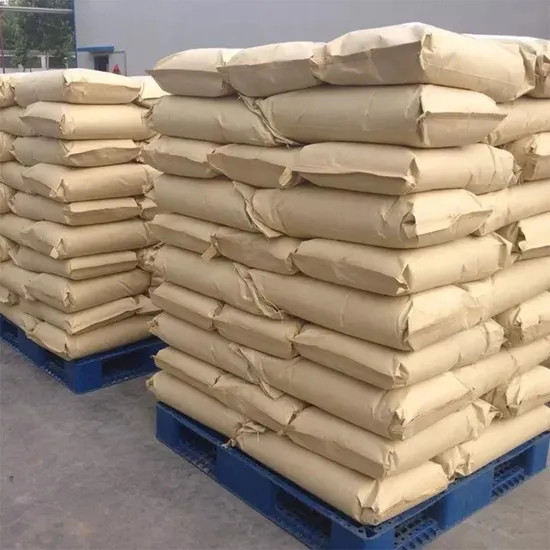
For industrial manufacturing and laboratory research purposes only.
Product Specifications
| Parameter | Value |
|---|---|
| Model NO. | flocculant polyacrylamide pam |
| EINECS | 201-173-7 |
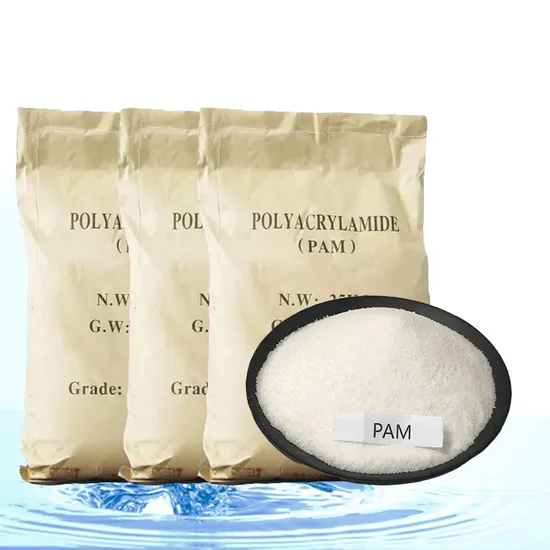
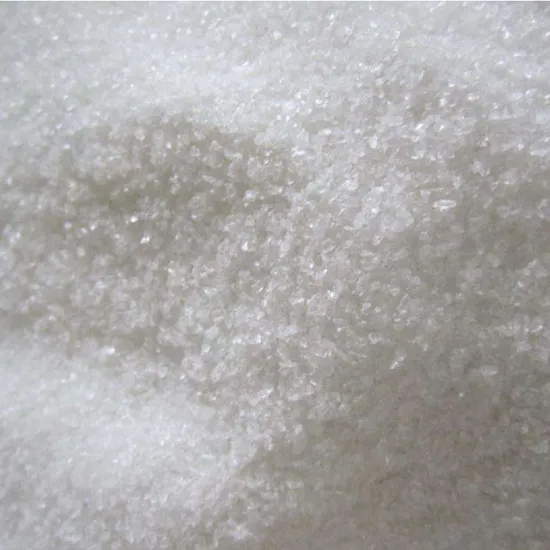
| Appearance | Granules |
| Usage | Oil Drilling Auxiliary Agent, Water Treatment Chemicals, Rubber Auxiliary Agents, Plastic Auxiliary Agents, Coating Auxiliary Agents, Textile Auxiliary Agents, Paper Chemicals, Leather Auxiliary Agents, Water Treatment |
| Color | White |
| Transport Package | 25kg, 500kg |
| Specification | Granular |
| Trademark | BuyChemCn |
| Origin | China |
| HS Code | 3802109000 |
| Production Capacity | 10000tons /Year |
Addressing Pulp Processing Inefficiencies with PAM Anionic Polyacrylamide (EINECS 201-173-7)
In paper manufacturing, uneven pulp dispersion often leads to inconsistent sheet formation and increased production waste—challenges we've witnessed firsthand across 10+ years of serving paper mills in Southeast Asia. Many clients initially struggled with generic dispersants causing batch-to-batch viscosity variations, disrupting their coating processes and raising reject rates by up to 15%.
A Stable Solution for Uniform Pulp Suspension
Our PAM Anionic Polyacrylamide Paper-Making Dispersant delivers consistent molecular weight distribution, ensuring predictable pulp fiber separation even under varying pH conditions. As a leading chemical trade hub in the Asia-Pacific region, we leverage bonded warehousing and streamlined logistics to maintain 99% on-time delivery, eliminating the production delays our clients once faced with unreliable suppliers.
Key Applications in Paper Manufacturing
Designed specifically as a Pulp Processing Dispersant, this product excels in improving fiber retention and drainage in papermaking, enhancing sheet strength while reducing chemical consumption. Its versatility extends to coating formulations where it stabilizes pigment suspensions, though it remains strictly for industrial processing use only—not for any application involving direct human contact.
Critical Specifications for Optimal Performance
The granular form ensures controlled dissolution, preventing clumping that can cause equipment blockages in high-speed mixing systems. White coloration eliminates potential discoloration issues in bleached pulp applications, a critical factor for manufacturers producing premium white paper grades. Our strict quality control maintains consistent particle size distribution, which directly impacts dispersion efficiency and ultimately, the uniformity of the final paper product.
Benefits of Reliable Chemical Sourcing
Choosing substandard dispersants risks not only production disruptions but also increased raw material costs due to inefficient fiber usage. Our Anionic Polyacrylamide for Paper-Making adheres to stringent manufacturing standards, reducing process variability and supporting compliance with international paper quality regulations. With a production capacity of 10,000 tons annually, we ensure stable supply even during peak demand periods, protecting your production schedule from unexpected shortages.
Our Commitment to Quality Assurance
Every batch undergoes comprehensive testing including molecular weight analysis and solubility verification, with full documentation available upon request. We provide batch-specific COA reports certifying compliance with declared specifications, and maintain traceability through our ISO-aligned quality management system. Our dedicated technical support team offers guidance on optimal dosage and mixing procedures, drawing from experience serving over 10,000 industrial clients worldwide.
Certificate of Analysis & Documentation
Each shipment includes a Certificate of Analysis with batch-specific test results and a Material Safety Data Sheet (MSDS) detailing proper handling procedures. For critical applications, additional documentation can be provided to support your quality control processes and regulatory compliance requirements.
Storage & Handling
- Store in a cool, dry, well-ventilated area, sealed and away from direct sunlight.
- Keep away from incompatible materials, food and feed sources.
- Handle with appropriate personal protective equipment (gloves, goggles, lab coat).
- Follow good industrial hygiene practices. Avoid inhalation and skin contact.
- Refer to MSDS for detailed storage and safety instructions.
Streamlined Procurement Process
Begin by submitting your specific application requirements through our contact channels for a tailored quotation. We recommend requesting a sample for compatibility testing before placing bulk orders. Our supply chain finance options can help optimize your cash flow, while our bonded warehousing services enable flexible inventory management to meet your production schedule.
Frequently Asked Questions
Q: What is the shelf life of this product?
A: When stored properly in sealed original packaging, the product maintains stability for 24 months from the manufacturing date.
Q: Can this product be used in food contact paper production?
A: No, this product is intended for industrial processing use only and not for applications involving direct food contact.
Q: What documentation is provided with each shipment?
A: Each order includes a Certificate of Analysis (COA) and Material Safety Data Sheet (MSDS) specific to the batch.
Q: Are custom packaging options available?
A: Standard packaging is 25kg or 500kg; custom packaging may be available for large-volume orders—contact our sales team for details.
Q: How is product purity verified?
A: Purity is verified through comprehensive batch testing including molecular weight analysis and solubility testing, with results documented in the COA.