Home Products Daily Chemicals Osthole CAS# 484-12-8
Osthole CAS# 484-12-8
Factory Direct

Osthole CAS# 484-12-8

Osthole belongs to coumarin compounds. It is prismatic-like crystals (diethyl ether) and needle-like crystals (Ethanol) with the melting point being 83~84 ?? and the boiling point being 145~150 ??. It is soluble in alkaline solution, methanol, ethanol, chloroform, acetone, ethyl acetate, and boiling petroleum ether but insoluble in water and petroleum ether. Osthole has various kinds of effects of antispasmodic, hypotensive, anti-arrhythmic and enhancing immune function and broad-spectrum antimicrobial effect. Osthole can not only have efficacy such as anti-hypertensive, anti-arrhythmic, anti-inflammatory, anti-tumor and anti-osteoporosis effect, but can also act as a new type of biological pesticides with significant efficacy in treating pests and plant pathogens.

Factory Inspected
Direct Shipping
Tripartite Contract

Product Description

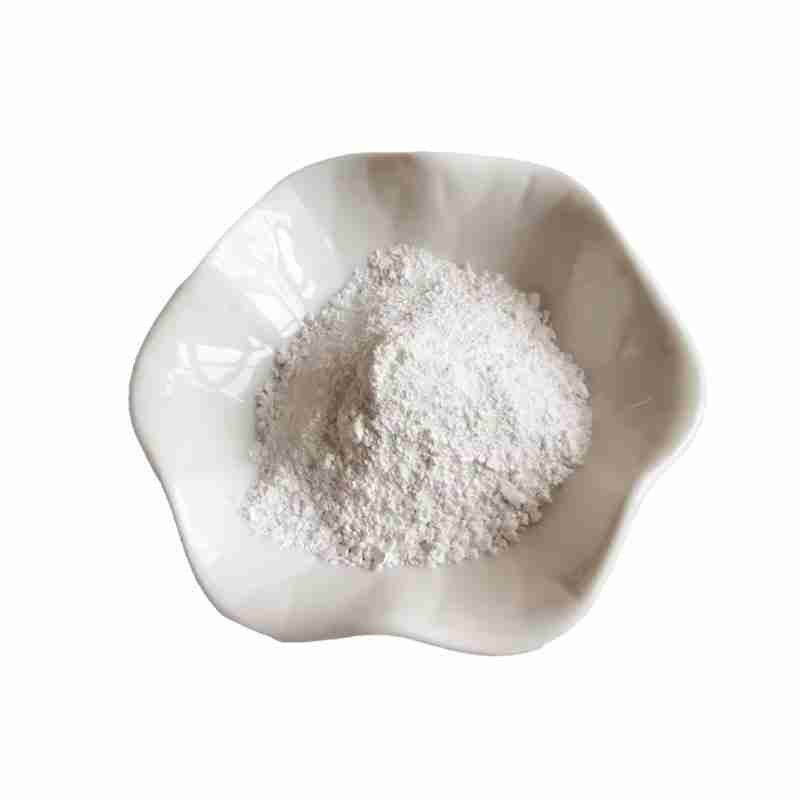
Osthole belongs to coumarin compounds. It is prismatic-like crystals (diethyl ether) and needle-like crystals (Ethanol) with the melting point being 83~84 ?? and the boiling point being 145~150 ??. It is soluble in alkaline solution, methanol, ethanol, chloroform, acetone, ethyl acetate, and boiling petroleum ether but insoluble in water and petroleum ether.

Osthole has various kinds of effects of antispasmodic, hypotensive, anti-arrhythmic and enhancing immune function and broad-spectrum antimicrobial effect. Osthole can not only have efficacy such as anti-hypertensive, anti-arrhythmic, anti-inflammatory, anti-tumor and anti-osteoporosis effect, but can also act as a new type of biological pesticides with significant efficacy in treating pests and plant pathogens.

Description

Osthole CAS# 484-12-8

Osthole Basic information
Plant extracts?Physical and Chemical Properties?Pharmacological effects?Botanical insecticides
Product Name: Osthole
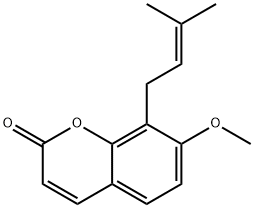
Synonyms: Cnidiumfruitextract;Osthol/Osthole;Cnidium;OSTHOLE(P);Epiandrosterone, 99%, HPLC;Cnidiumlactone??Osthol;7-Methoxy-8-prenyl-2H-1-benzopyran-2-one;7-Methoxy-8-(3-methyl-2-buten-1-yl)-2H-chromen-2-one
CAS: 484-12-8
MF: C15H16O3
MW: 244.29
EINECS: 1532714-185-1
Product Categories: natural product;chemical reagent;pharmaceutical intermediate;phytochemical;reference standards from Chinese medicinal herbs (TCM).;standardized herbal extract;Inhibitors;Herb extract;Plant extract;Natural Plant Extract;Steroids;Standard extract
Mol File: 484-12-8.mol
Osthole Structure
Osthole Chemical Properties
Melting point 83-84??C
Boiling point 347.2??C (rough estimate)
density 1.1263 (rough estimate)
refractive index 1.5570 (estimate)
storage temp. Sealed in dry,2-8??C
solubility methanol: soluble10mg/mL, clear, colorless
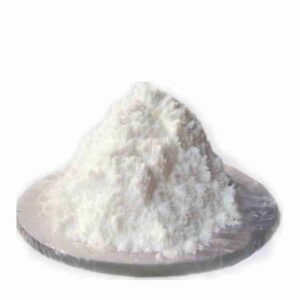
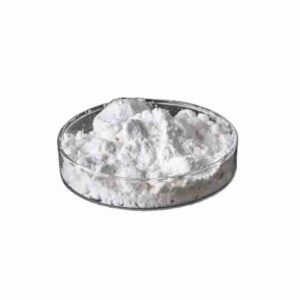
form powder
color white
Odor at 100.00 %. dry musty herbal
Odor Type dry
Water Solubility 12mg/L(25 oC)
??max 322nm(MeOH)(lit.)
Merck 14,6895
InChIKey MBRLOUHOWLUMFF-UHFFFAOYSA-N
LogP 3.686 (est)
CAS DataBase Reference 484-12-8(CAS DataBase Reference)
NIST Chemistry Reference Osthole(484-12-8)
Safety Information
WGK Germany 3
RTECS GN7700000
HS Code 29322090
Hazardous Substances Data 484-12-8(Hazardous Substances Data)

Request a Quote

Get factory-direct pricing within 24 hours

Submitting...

We'll respond within 24 hours

Related Products

More products from the same category

Coconut diethanolamide CAS#68603-42-9
Daily Chemicals

Coconut diethanolamide CAS#68603-42-9

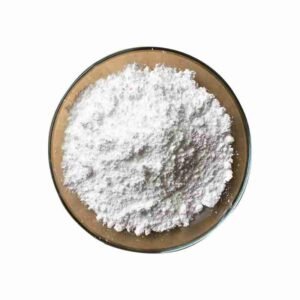
Coconut diethanolamide is a derivative of coconut fatty acids, where the fatty acid is reacted with diethanolamine to form an amide. This compound is commonly used as an emulsifier and viscosity modifier in personal care products such as shampoos, conditioners, and creams. It imparts a smooth texture and enhances the stability of formulations. Coconut diethanolamide is valued for its ability to improve the foaming properties and skin feel of products, making it a preferred ingredient for creating luxurious and effective formulations in the cosmetics and personal care industry.

View Details Factory Direct
Silicone oil CAS#63148-62-9
Daily Chemicals

Silicone oil CAS#63148-62-9

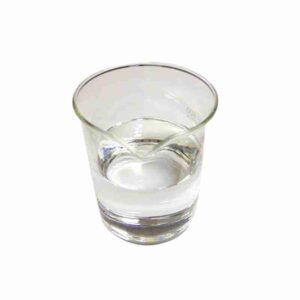
Silicone oil, known for its chemical designation as dimethicone or polydimethylsiloxane, is a synthetic polymer with a backbone of alternating silicon and oxygen atoms, creating a highly versatile and stable compound. It is renowned for its exceptional lubricating properties, heat resistance, and non-toxic nature, making it a staple in various industries, including cosmetics, automotive, and aerospace. This hydrophobic, non-volatile oil is valued for its ability to provide a smooth, non-greasy feel and to form stable emulsions with other ingredients. In personal care products, silicone oil is used to impart a silky texture, reduce friction on the skin, and create a protective barrier against environmental stressors without clogging pores. Silicone oil's chemical inertness and resistance to oxidation contribute to its long shelf life and stability in formulations. It is also appreciated for its compatibility with a wide range of substances, allowing for the creation of multifunctional products. <p class="last-node">In summary, silicone oil is a reliable and multifaceted ingredient, offering a combination of performance, safety, and sensory benefits. Its use in a variety of applications reflects its versatility and enduring appeal in the marketplace.</p>

View Details Factory Direct
Arbutin CAS#497-76-7
Daily Chemicals

Arbutin CAS#497-76-7

Arbutin, a derivative of hydroquinone, is a naturally occurring compound extracted primarily from the bearberry plant (Arctostaphylos uva-ursi). It is renowned in the skincare industry for its skin lightening properties, making it a popular ingredient in cosmetic products designed to reduce hyperpigmentation and even out skin tone. Chemically, arbutin is ??-glucosiduronic acid of hydroquinone, with the molecular formula C12H12O7. Its mechanism of action involves the inhibition of tyrosinase, a key enzyme in the melanin biosynthesis pathway. By reducing melanin production, arbutin effectively lightens the skin without the risk of irritation often associated with hydroquinone. Arbutin is valued for its safety profile, as it is considered less irritating and more stable compared to other skin lightening agents. It is also known for its antioxidant properties, which contribute to its skin brightening effects and overall skin health benefits. <p class="last-node">In summary, arbutin is a reliable and gentle alternative for skin lightening, offering a natural approach to reducing pigmentation issues while promoting a more radiant and even complexion. Its use in skincare formulations is favored for its efficacy and mildness, making it suitable for various skin types.</p>

View Details Factory Direct
Sodium Isethionate CAS#1562-00-1
Daily Chemicals

Sodium Isethionate CAS#1562-00-1

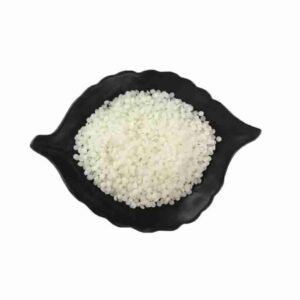
Sodium 2-hydroxyethyl sulfonate (also known as sodium hydroxyethyl sulfonate) is a sodium salt of 2-hydroxyethanesulfonic acid (hydroxyethyl sulfonate), which is used as a hydrophilic head group in detergent active surfactants. Due to its strong polarity and resistance to multivalent ions, it is called hydroxyethyl sulfonate (acyloxyethanesulfonate). It is being studied as a high-yield chemical in the High Production (HPV) Chemical Challenge Program of the US Environmental Protection Agency (EPA). Solid sodium 2-hydroxyethyl sulfonate is a colorless, free flowing, non hygroscopic solid that is easily soluble in water and has good biodegradability. Due to the synthesis method, the sample usually contains trace amounts of sodium sulfite or sodium bisulfite, resulting in a pH value of about 10 in the aqueous solution, which is weakly alkaline.

View Details Factory Direct
Our Process

How BuyChemCN Works

1
Submit Demand
2
Match Factory
3
Send Sample
4
Confirm & Sign
5
Production
6
Direct Delivery