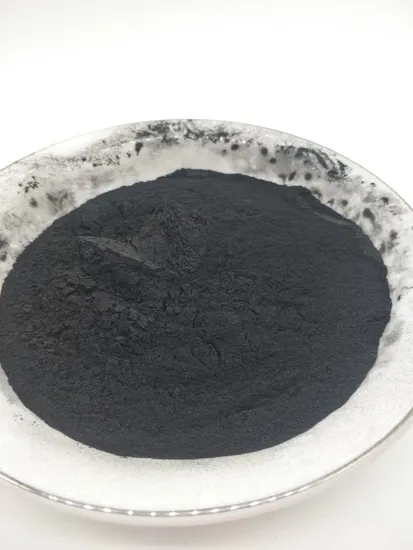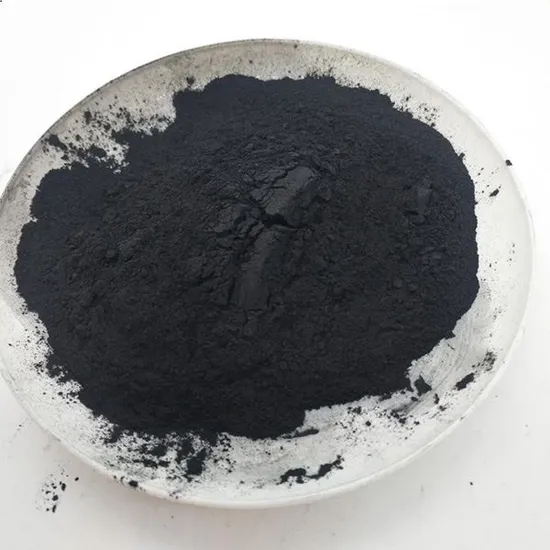
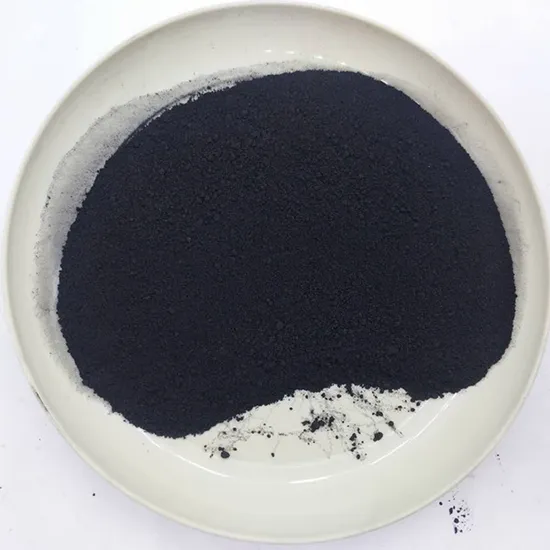
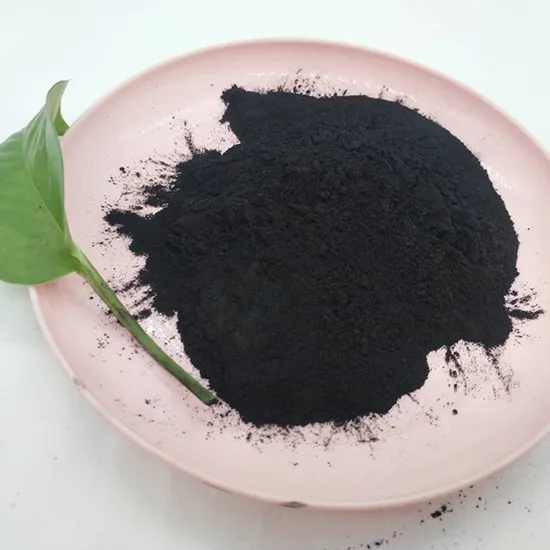
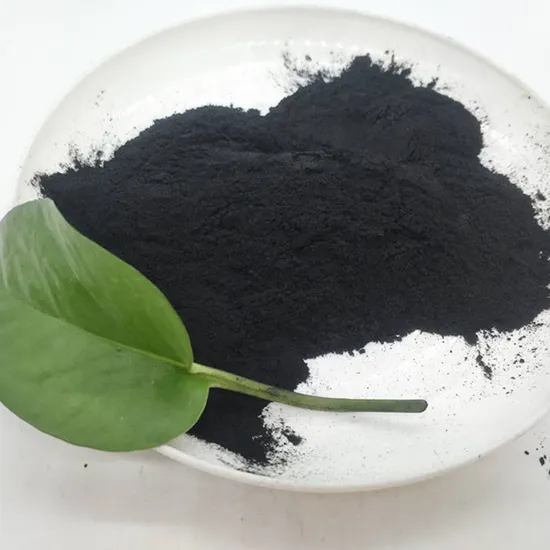
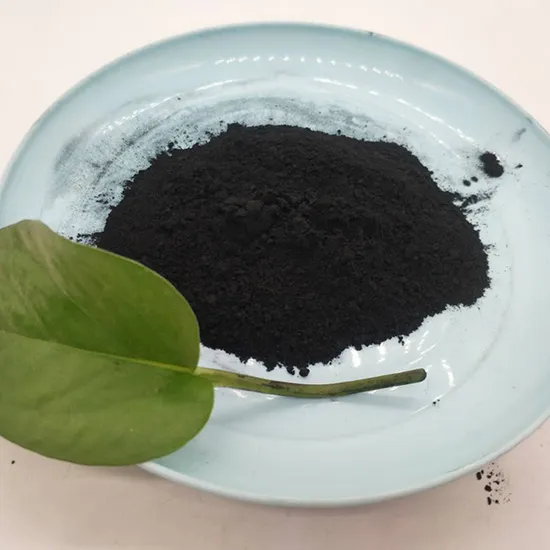
For industrial manufacturing and laboratory research purposes only.
Product Specifications
| Parameter | Value |
|---|---|
| Model NO. | Coaly Activated Carbon |
| Active Carbon Material | Wooden Activated Carbon |
| Carbon Content | High-Carbon |
| Pore Diameter | Macroporous |
| Manufacturing Method | Chemical Method of Activated Carbon |
| Physical Properties | Shape |
| Chemical Properties | Ash Content |
| Adsorption Properties | Methylene Blue Adsorption Value |
| Artificial Graphite Type | Activated Carbon |
| Type | Water Treatment |
| EINECS | 264-846-4 |
| Formula | C |
| CAS No. | 64365-11-3 |
| Transport Package | 25kg 500kg |
| Specification | columuar |
| Trademark | BuyChemCn |
| Origin | China |
| Production Capacity | 1000 Ton/Month |
Addressing Water Treatment Challenges with Lignite Activated Carbon (CAS 64365-11-3)
For over a decade in the chemical supply industry, we’ve witnessed how inconsistent adsorption performance in water treatment carbon can disrupt industrial processes—unstable methylene blue values leading to inefficient contaminant removal, or pore structure variations causing unexpected pressure drops in filtration systems. These inconsistencies not only compromise treatment outcomes but also force plants to overstock multiple batches to mitigate risks.
A Stable Solution for Industrial Water Treatment Systems
Our Lignite Activated Carbon delivers the reliability your water treatment processes demand. As a high-carbon macroporous adsorbent, it combines optimized pore diameter distribution with consistent methylene blue adsorption values, ensuring predictable performance across batches. Backed by a production capacity of 1000 tons per month, we provide stable supply chains that eliminate the delays and quality fluctuations common in the industry.
Industrial Applications of Macroporous Activated Carbon
This water treatment activated carbon is engineered for industrial-scale purification processes, including wastewater treatment in manufacturing facilities, heavy metal ion removal in mining operations, and organic contaminant adsorption in chemical processing plants. Its macroporous structure makes it particularly effective for treating large-volume water streams where rapid adsorption kinetics are critical.
Key Specifications That Drive Performance
The high-carbon content of our activated carbon directly enhances adsorption capacity, allowing for longer service intervals and reduced replacement frequency. The macroporous pore diameter ensures efficient flow dynamics, minimizing pressure loss in filtration systems while maximizing contact time with contaminants. Our chemical activation method guarantees uniform pore structure, eliminating the performance variability that plagues inadequately processed carbons. Each batch is tested for methylene blue adsorption value, a critical indicator of organic compound removal efficiency in industrial water treatment.
Benefits of Reliable Activated Carbon Sourcing
Choosing a consistent high-carbon adsorbent translates to tangible operational benefits: reduced downtime from unexpected performance issues, lower overall treatment costs through optimized carbon usage, and compliance with strict industrial discharge standards. Unlike inferior products that risk process failures and regulatory penalties, our activated carbon meets rigorous quality control standards, supported by comprehensive documentation to streamline your compliance processes.
Our Quality Commitment
Every batch of our Lignite Activated Carbon undergoes thorough testing, including adsorption efficiency verification and physical property analysis. We provide a Certificate of Analysis with each shipment, detailing key parameters like methylene blue adsorption value and ash content. Our production facility operates under strict quality management protocols, ensuring that each 25kg pack meets the same high standards. With over 10 years serving industrial clients across 50+ countries, we’ve built our reputation on delivering consistent quality and responsive technical support.
Certificate of Analysis & Documentation
Each order includes a batch-specific Certificate of Analysis and Safety Data Sheet (SDS), providing detailed technical specifications and handling instructions. For critical applications, additional testing data can be requested to support your quality assurance processes.
Storage & Handling
- Store in a cool, dry, well-ventilated area, sealed and away from direct sunlight.
- Keep away from incompatible materials, food and feed sources.
- Handle with appropriate personal protective equipment (gloves, goggles, lab coat).
- Follow good industrial hygiene practices. Avoid inhalation and skin contact.
- Refer to MSDS for detailed storage and safety instructions.
Streamlined Order Process
Initiate your order by requesting a detailed quotation, including technical specifications and delivery timelines. We recommend sample evaluation for new applications to confirm performance compatibility. Once specifications are finalized, our logistics network ensures on-time delivery with full documentation support, facilitating smooth integration into your production processes.
Frequently Asked Questions
Q: What is the shelf life of this activated carbon?
A: When stored properly in sealed packaging under recommended conditions, the product maintains its adsorption properties for 24 months from the manufacturing date.
Q: Can this product be used for potable water treatment?
A: This product is intended for industrial and laboratory research use only. It is not certified for direct use in potable water systems or household applications.
Q: What documentation is provided with each shipment?
A: Each order includes a Certificate of Analysis (COA) and Safety Data Sheet (SDS). Additional technical documentation can be requested prior to purchase.
Q: Is custom packaging available beyond the standard 25kg packs?
A: Yes, 500kg transport packages are available. For special packaging requirements, please contact our sales team to discuss feasibility.
Q: How is the adsorption performance verified?
A: Each batch is tested for methylene blue adsorption value, a standard industry method to assess organic adsorption capacity, with results provided in the COA.