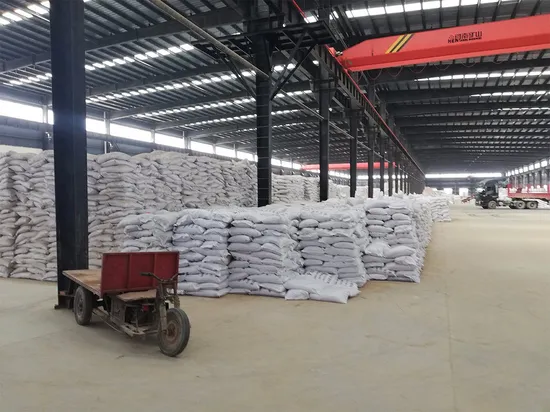
For industrial manufacturing and laboratory research purposes only.
Product Specifications
| Parameter | Value |
|---|---|
| Model NO. | Coconut Activated Carbon |
| Active Carbon Material | Wooden Activated Carbon |
| Carbon Content | High-Carbon |
| Pore Diameter | Macroporous |
| Manufacturing Method | Physical-Chemical Method of Activated Carbon |
| Type | Gas Adsorption |
| Physical Properties | Pore Volume |
| Chemical Properties | Ash Content |
| Adsorption Properties | Methylene Blue Adsorption Value |
| CAS No. | 64365-11-3 |
| Formula | C |
| EINECS | 264-846-4 |
| Artificial Graphite Type | Activated Charcoal |
| Transport Package | 25kg, 500kg |
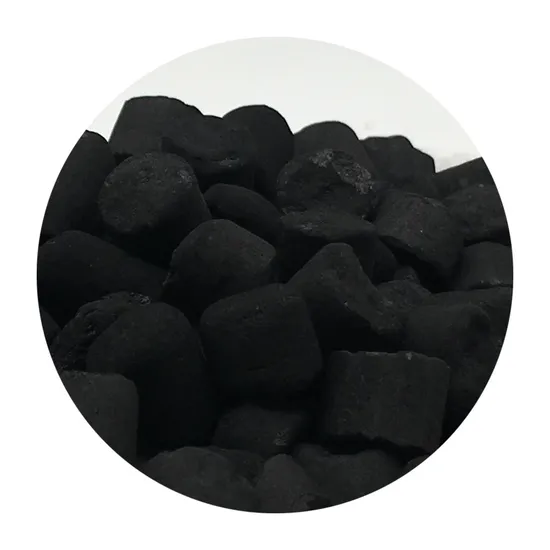
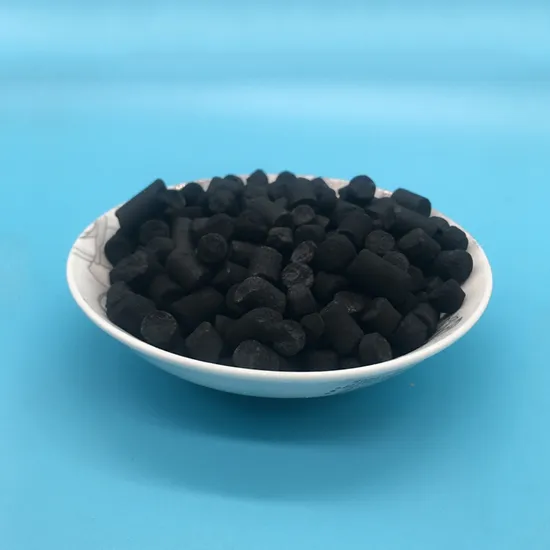
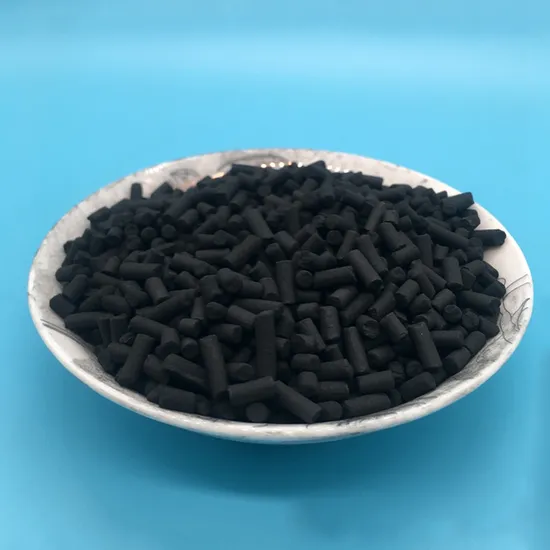
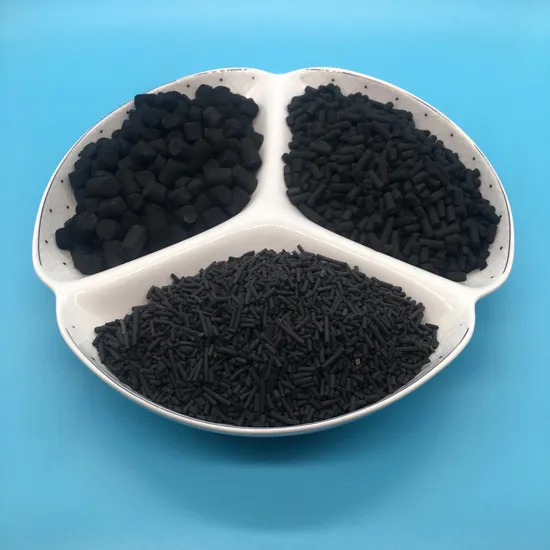
| Specification | granular |
| Trademark | Lvyuan |
| Origin | China |
| HS Code | 3802109000 |
| Production Capacity | 100000tons /Year |
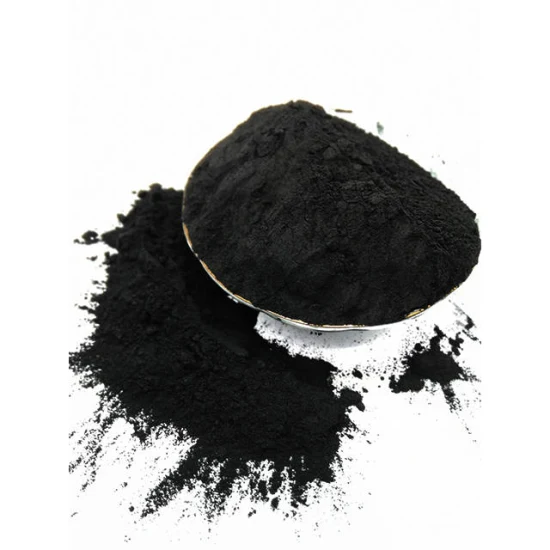
High Quality Coconut Activated Carbon Desiccant (CAS 64365-11-3) for Reliable Odor and Moisture Control
Industrial production and laboratory environments often face critical challenges with moisture-related degradation and odor contamination, where inconsistent desiccant performance can compromise product integrity or research results. Having worked with over 10,000 industrial clients across 50+ countries, we've repeatedly seen how substandard desiccants lead to material wastage, production delays, and failed quality control checks—issues that stem from poor adsorption capacity and unpredictable performance.
A Stable Solution for Industrial Moisture and Odor Management
Our Coconut Activated Carbon Desiccant addresses these challenges through its high-carbon content and macroporous structure, engineered to deliver consistent moisture control and odor adsorption in industrial settings. Backed by 10+ years of chemical production expertise and a annual capacity of 100,000 tons, we ensure reliable supply for manufacturing facilities and research laboratories across the Asia-Pacific region and beyond, integrating seamlessly with cross-border logistics and bonded warehousing solutions.
Typical Industrial Applications
This Coconut Activated Carbon Desiccant is widely used in industrial manufacturing processes requiring controlled humidity environments, such as electronics component storage, pharmaceutical intermediate production, and chemical raw material preservation. Its gas adsorption properties also make it suitable for laboratory research involving volatile organic compound (VOC) removal, where precise moisture control is critical to experimental validity. As a moisture control desiccant, it provides an essential layer of protection for sensitive industrial materials during storage and transportation.
Key Specifications That Drive Performance
The high-carbon content of our desiccant ensures superior adsorption efficiency, directly impacting its ability to maintain low humidity levels in enclosed spaces—a critical factor in preventing mold growth and material degradation. Its macroporous structure enhances adsorption kinetics, allowing faster moisture and odor uptake compared to standard desiccants, which is vital for time-sensitive production processes. The methylene blue adsorption value, a key indicator of adsorption capacity, ensures consistent performance across batches, eliminating the variability that often plagues industrial desiccant applications. Additionally, the granular specification allows for flexible integration into various industrial systems, from packed columns to ventilation filters.
The Value of Reliable Desiccant Performance
Choosing a high-quality Coconut Activated Carbon Desiccant translates to tangible operational benefits: reduced material waste from moisture damage, minimized production downtime due to quality issues, and improved consistency in manufacturing outputs. In contrast, using inferior desiccants risks product recalls, increased reject rates, and higher long-term costs. Our product adheres to strict quality control standards, ensuring compliance with industrial material handling requirements and providing the stability needed for large-scale production environments. As an activated carbon desiccant designed for industrial use, it offers a cost-effective solution by reducing the frequency of desiccant replacement and maintenance.
Our Commitment to Quality and Reliability
Every batch of our Coconut Activated Carbon Desiccant undergoes rigorous testing, including adsorption capacity verification and ash content analysis, to ensure it meets our stringent specifications. We provide a Certificate of Analysis (COA) with each shipment, detailing critical parameters such as methylene blue adsorption value and pore volume. Our production facility operates under strict quality management protocols, supported by a production capacity of 100,000 tons annually to guarantee stable supply even for large-scale industrial orders. Should any product fail to meet the specified parameters, we offer无条件 replacement, underscoring our confidence in product consistency and commitment to customer satisfaction.
Certificate of Analysis & Documentation
Each shipment includes a batch-specific Certificate of Analysis (COA) and Material Safety Data Sheet (MSDS), providing comprehensive technical information and safety handling guidelines. Detailed检测数据 for specific batches can be requested using the order reference number, and additional technical documentation is available upon request to support regulatory compliance and quality control processes.
Storage & Handling
- Store in a cool, dry, well-ventilated area, sealed and away from direct sunlight.
- Keep away from incompatible materials, food and feed sources.
- Handle with appropriate personal protective equipment (gloves, goggles, lab coat).
- Follow good industrial hygiene practices. Avoid inhalation and skin contact.
- Refer to MSDS for detailed storage and safety instructions.
How to Place Your Order
Initiate your order by submitting an inquiry through our contact channels, specifying your required quantity and any technical requirements. We can provide sample quantities for evaluation prior to full-scale ordering, ensuring the product meets your specific application needs. Once specifications are confirmed, our supply chain team will coordinate delivery through our established logistics network, with all necessary documentation included to facilitate customs clearance and quality control processes.
Frequently Asked Questions
Q: What is the recommended shelf life of this Coconut Activated Carbon Desiccant?
A: When stored in original sealed packaging under proper conditions (cool, dry environment), the product maintains its adsorption capacity for 24 months from the date of manufacture.
Q: Can this product be used for food or pharmaceutical applications involving direct human contact?
A: No, this product is strictly for industrial and laboratory research use only. It is not intended for direct human consumption, therapeutic, or household use.
Q: What documentation is provided with each shipment?
A: Each order includes a Certificate of Analysis (COA) specific to the batch and a Material Safety Data Sheet (MSDS) with handling and safety information.
Q: Is custom packaging available for large-scale orders?
A: Yes, we offer custom packaging solutions for bulk orders. Please specify your requirements during the inquiry process to discuss available options.
Q: How is the adsorption capacity of the desiccant verified?
A: Adsorption capacity is tested using standard methods, including methylene blue adsorption value determination, which is documented in the batch-specific COA provided with each shipment.