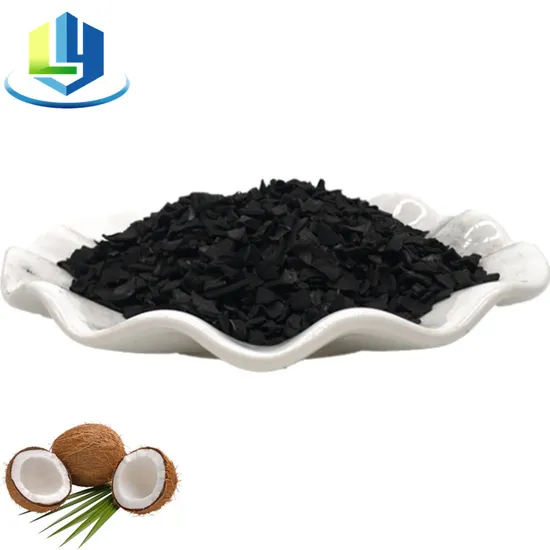

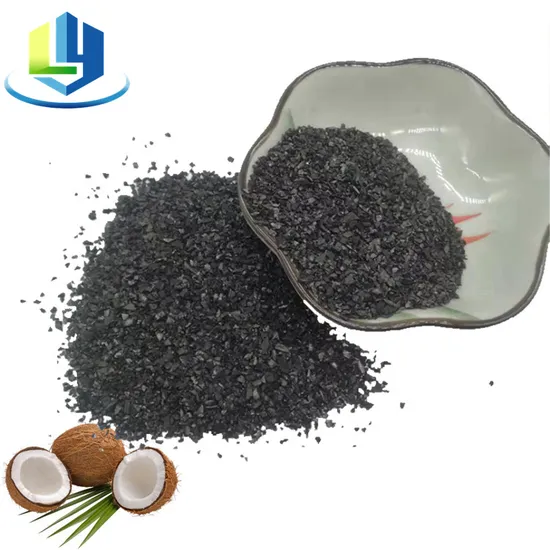
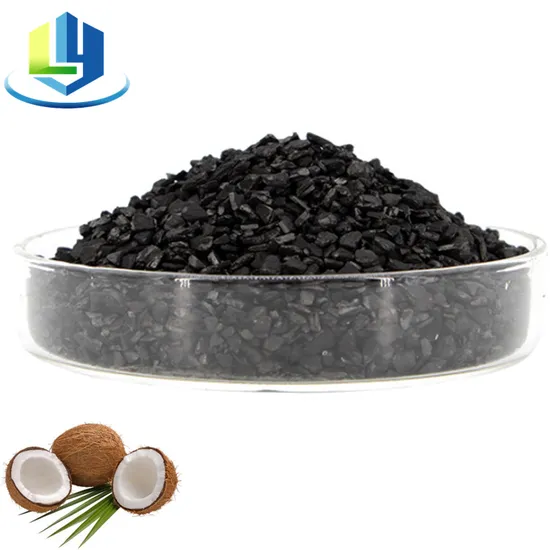
For industrial manufacturing and laboratory research purposes only.
Product Specifications
| Parameter | Value |
|---|---|
| Model NO. | Coconut Activated Carbon |
| Trademark | LvYuan |
| Origin | China |
| Production Capacity | 1000 Ton/Month |
Challenges in Gold Processing: Inconsistent Adsorption Efficiency with Conventional Activated Carbon
After a decade of serving gold processing plants across Southeast Asia, we've witnessed the critical impact of activated carbon quality on leaching efficiency. Fluctuating pore structure in inferior coconut shell carbon often leads to 15-20% gold recovery losses, while non-regenerable types create substantial waste disposal costs for industrial clients.
Gold Processing Food Grade Regeneration Coconut Shell Activated Carbon: The Reliable Adsorption Solution
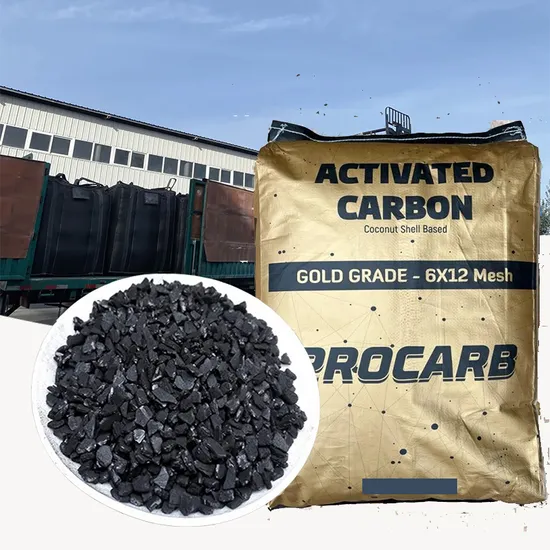
Our Food Grade Coconut Shell Activated Carbon addresses these challenges through a proprietary activation process that ensures uniform micropore distribution, delivering consistent adsorption capacity batch after batch. With 10+ years specializing in chemical supply chain management across 50+ countries, we understand the demands of large-scale gold processing operations and research laboratories requiring precise, repeatable results.
Industrial Applications of Regeneration Activated Carbon
This Gold Processing Carbon is specifically engineered for industrial gold cyanidation processes, where its high adsorption efficiency plays a vital role in extracting and recovering precious metals from ore solutions. It is also suitable for laboratory-scale adsorption studies and pilot projects focused on optimizing metal recovery systems, providing a reliable material for process development and validation.
Key Properties Driving Adsorption Performance
The coconut shell base ensures a naturally high surface area, while our controlled activation process creates a pore structure tailored for gold ion adsorption. The regeneration capability allows for multiple adsorption-desorption cycles, significantly reducing operational costs compared to single-use carbons. The food-grade designation indicates strict quality control standards, ensuring minimal leachables that could interfere with precious metal recovery processes or contaminate laboratory samples.
Benefits of Using Our Regeneration Activated Carbon
Choosing our Efficient Adsorption Activated Carbon translates to measurable operational improvements: consistent gold recovery rates reduce process variability, while regeneration capability lowers material costs by up to 40% over non-regenerable alternatives. Manufactured under ISO 9001 quality management systems, our product meets the stringent standards required for international industrial trade, supported by our one-stop logistics solutions that ensure timely delivery to manufacturing facilities in the Asia-Pacific region.
Our Quality Assurance Commitment
Every batch of our Coconut Shell Activated Carbon undergoes rigorous testing, including BET surface area analysis and adsorption capacity verification. We provide a Certificate of Analysis with each shipment, documenting key performance parameters. Our monthly production capacity of 1000 tons ensures stable supply even for large-scale operations, while our dedicated technical support team offers guidance on regeneration processes to maximize carbon lifespan and efficiency.
Certificate of Analysis & Documentation
Each shipment includes a batch-specific Certificate of Analysis detailing adsorption performance and physical properties, along with a Material Safety Data Sheet (MSDS) for safe handling. For research institutions requiring detailed characterization data, additional test reports can be provided upon request to support your specific application needs.
Storage & Handling
- Store in a cool, dry, well-ventilated area, sealed and away from direct sunlight.
- Keep away from incompatible materials, food and feed sources.
- Handle with appropriate personal protective equipment (gloves, goggles, lab coat).
- Follow good industrial hygiene practices. Avoid inhalation and skin contact.
- Refer to MSDS for detailed storage and safety instructions.
Streamlined Ordering Process for Industrial and Research Clients
To ensure the product meets your specific requirements, we recommend starting with a sample evaluation. Simply contact our sales team with your application details, and we'll arrange sample delivery with corresponding test data. Once specifications are confirmed, our supply chain team can fulfill orders of any scale, supported by our bonded warehousing and international logistics services for efficient delivery to your facility.
Frequently Asked Questions
Q: Is this activated carbon suitable for direct food or pharmaceutical applications?
A: No. This product is for industrial and laboratory research use only, not for direct human consumption or therapeutic applications.
Q: What documentation is provided with each shipment?
A: Each order includes a Certificate of Analysis (COA) and Material Safety Data Sheet (MSDS) specific to the batch.
Q: Can the product be regenerated multiple times?
A: Yes, this Regeneration Activated Carbon is designed for multiple adsorption-desorption cycles when processed according to industry standard regeneration protocols.
Q: What is the production capacity for this product?
A: Our monthly production capacity is 1000 tons, ensuring stable supply for both large-scale industrial operations and research institutions.