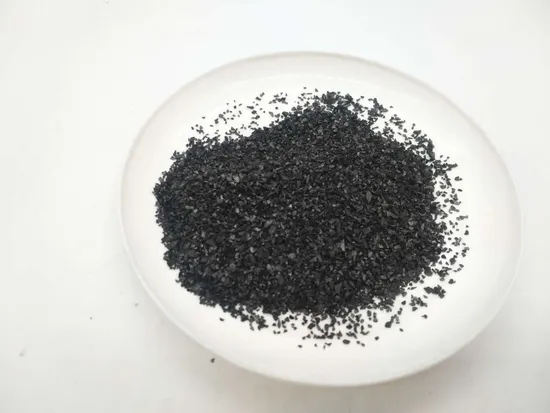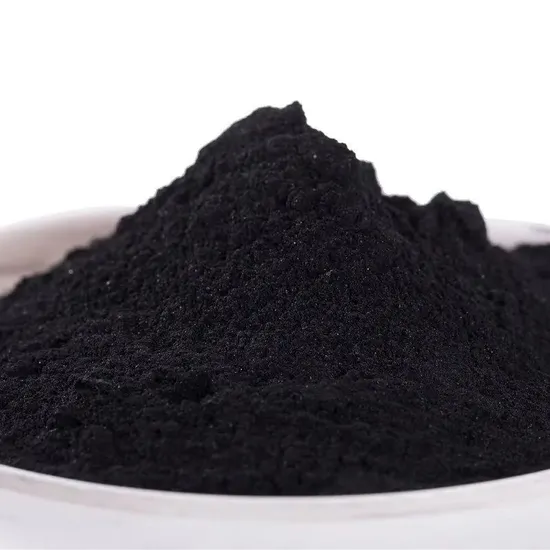


Optimize phosphoric acid purification efficiency with our Coconut Shell Activated Carbon, engineered to deliver superior adsorption performance through its high-carbon content and macroporous structure. This specialized carbon enhances process reliability by effectively removing impurities, ensuring consistent acid quality while streamlining your production workflow.
- Macroporous architecture facilitates rapid mass transfer, ideal for high-flow phosphoric acid applications
- High-carbon matrix ensures exceptional adsorption capacity for organic contaminants and colorants
- Manufactured via advanced physical-chemical activation, balancing porosity and mechanical strength for long service life
Description
For industrial manufacturing and laboratory research purposes only.
Product Specifications
| Parameter | Value |
|---|---|
| Model NO. | Coconut Shell Activated Carbon |
| Active Carbon Material | Coaly Activated Carbon |
| Carbon Content | High-Carbon |
| Pore Diameter | Macroporous |
| Manufacturing Method | Physical-Chemical Method of Activated Carbon |
| Type | Gas Adsorption |
| Physical Properties | Pore Volume |
| Chemical Properties | Ash Content |
| Adsorption Properties | Methylene Blue Adsorption Value |
| Artificial Graphite Type | Activated Charcoal |
| CAS No. | 64365-11-3 |
| EINECS | 264-846-4 |
| Formula | C |
| Transport Package | 25kg, 500kg |
| Specification | Granular |
| Trademark | Lvyuan |
| Origin | China |
| HS Code | 3802109000 |
| Production Capacity | 100000tons /Year |
Addressing Phosphoric Acid Processing Challenges with Coconut Shell Activated Carbon (CAS 64365-11-3)
Industrial phosphoric acid production faces recurring hurdles: inconsistent impurity removal affecting downstream product quality, batch-to-batch adsorption performance variations disrupting process stability, and supply chain delays causing production downtime. In our 10+ years serving chemical manufacturers across Southeast Asia, we’ve witnessed how suboptimal activated carbon can increase purification costs by up to 30% due to frequent regeneration needs.
High-Carbon Macroporous Activated Carbon for Reliable Phosphoric Acid Purification
Our Coconut Shell Activated Carbon for Phosphoric Acid addresses these challenges through its unique combination of high-carbon content and macroporous structure. Engineered specifically for acid processing applications, this granular activated carbon delivers consistent adsorption efficiency, reducing impurity levels by maintaining stable pore volume across production batches. With annual production capacity of 100,000 tons, we ensure uninterrupted supply to manufacturing enterprises in the Asia-Pacific region, supporting both large-scale production and specialized laboratory research needs.
Industrial Applications in Phosphoric Acid Processing
This Macroporous Coconut Shell Carbon finds critical use in industrial phosphoric acid purification processes, where its macroporous structure efficiently adsorbs organic impurities and colloidal particles without compromising acid yield. It is also suitable for laboratory-scale phosphoric acid research, providing reliable adsorbent performance for method development and process optimization studies. The product’s high-carbon content ensures minimal ash leaching, making it ideal for applications requiring low contamination risk in chemical manufacturing.
Key Specifications Impact on Phosphoric Acid Processing
The macroporous pore diameter (typically >50 nm) is essential for effective adsorption of larger organic molecules commonly found in wet-process phosphoric acid, ensuring efficient impurity removal without excessive pressure drop in industrial columns. High-carbon content (>90%) enhances adsorption capacity and chemical stability, reducing the frequency of carbon regeneration and lowering long-term operational costs. The granular specification promotes uniform packing in adsorption beds, ensuring consistent flow distribution and contact time—critical factors for maintaining steady product quality in continuous production lines. Methylene Blue Adsorption Value serves as a reliable indicator of the product’s adsorption efficiency, with our batches consistently meeting or exceeding industry standards for phosphoric acid applications.
Benefits of Using Our High-Carbon Macroporous Activated Carbon
Choosing our Coconut Shell Carbon for Phosphoric Acid delivers measurable benefits: improved downstream product purity reduces reject rates and quality control costs, while consistent batch performance minimizes process adjustments and production downtime. Unlike lower-quality coal-based alternatives, our product’s low ash content reduces acid contamination risks, ensuring compliance with strict industrial purity standards. Backed by ISO 9001-certified manufacturing processes, this activated carbon provides long-term supply stability, protecting your production from market fluctuations and raw material shortages that often plague the chemical industry.
Quality Assurance You Can Rely On
Every batch of our activated carbon undergoes rigorous testing, including methylene blue adsorption capacity测定, ash content analysis, and pore structure characterization via nitrogen adsorption methods. Each delivery includes a detailed Certificate of Analysis (COA) with batch-specific test results, and MSDS documentation for safe handling. Our quality control laboratory operates 24/7 to ensure rapid turnaround of test data, while our production facilities maintain ISO 9001 certification for consistent manufacturing standards. In the rare event of specification non-conformance, we offer unconditional replacement or full refund to protect your production schedule and quality requirements.
Certificate of Analysis & Documentation
Each shipment includes a batch-specific Certificate of Analysis detailing key parameters such as carbon content, ash content, and adsorption performance. Material Safety Data Sheets (MSDS) are provided for safe handling, storage, and disposal. For critical applications, we can arrange third-party testing by accredited laboratories upon request, and historical batch data is available for customers implementing statistical process control systems.
Storage & Handling
- Store in a cool, dry, well-ventilated area, sealed and away from direct sunlight.
- Keep away from incompatible materials, food and feed sources.
- Handle with appropriate personal protective equipment (gloves, goggles, lab coat).
- Follow good industrial hygiene practices. Avoid inhalation and skin contact.
- Refer to MSDS for detailed storage and safety instructions.
Streamlined Order Process for Industrial Buyers
Initiate your order by submitting a specification inquiry through our website or direct contact with our technical sales team. We can provide small sample quantities for qualification testing, with typical lead times of 3-5 business days. Once specifications are confirmed, bulk orders are shipped from our bonded warehouses, offering flexible delivery options to meet your production schedule. All industrial orders include comprehensive documentation packages to facilitate customs clearance and quality assurance processes.
Frequently Asked Questions
Q: What is the typical shelf life of this activated carbon?
A: When stored properly in sealed packaging under recommended conditions, the product maintains its adsorption performance for 24 months from the manufacturing date.
Q: Can this product be used in food or pharmaceutical applications?
A: No, this product is explicitly for industrial and laboratory research use only, and is not certified for food, pharmaceutical, or medical applications.
Q: What documentation is provided with each shipment?
A: Each shipment includes a Certificate of Analysis (COA), Material Safety Data Sheet (MSDS), and commercial invoice. Additional documentation for customs clearance can be provided upon request.
Q: Do you offer custom packaging options?
A: Yes, we can provide custom packaging solutions for bulk orders, including intermediate bulk containers (IBCs) and specialized moisture-barrier packaging for long-term storage.
Q: How is the carbon content measured in your product?
A: Carbon content is determined via combustion analysis following ASTM D2866 standard test methods, ensuring accurate measurement of total carbon content in the activated carbon matrix.
Related products
-

Coconut Shell Activated Carbon for Gold Mining, High Methylene Blue Adsorption Value, 25kg Pack
Read more -
Granular Activated Charcoal Coconut Shell Based for Gold Recovery, Iodine Value >1100 mg/g
Read more -
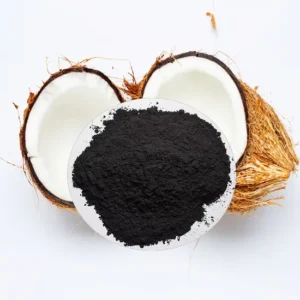
Coconut Shell Activated Carbon Granular Pellets for Water Treatment with High Methylene Blue Adsorption
Read more -
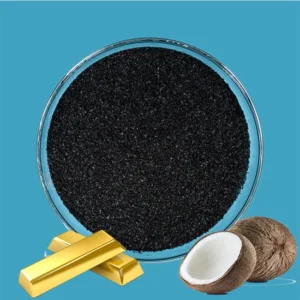
Granular Coconut Shell Activated Carbon for Gold Extraction High Methylene Blue Adsorption
Read more