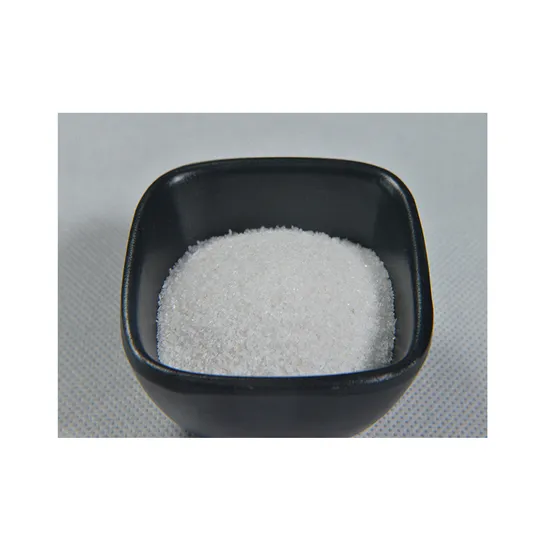

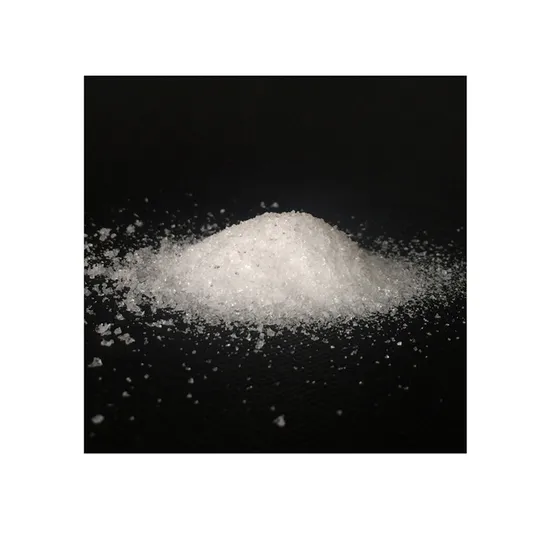
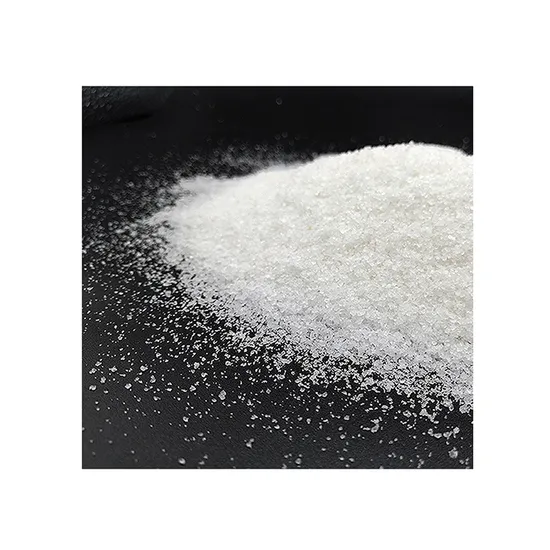
For industrial manufacturing and laboratory research purposes only.
Product Specifications
| Parameter | Value |
|---|---|
| Model NO. | Activated Carbon |
| Carbon Content | High-Carbon |
| Pore Diameter | Macroporous |
| Manufacturing Method | Physical-Chemical Method of Activated Carbon |
| Type | Gas Adsorption |
| Physical Properties | Pore Volume |
| Chemical Properties | Ph Value |
| Adsorption Properties | Methylene Blue Adsorption Value |
| CAS No. | 64365-11-3 |
| Formula | C |
| EINECS | 264-846-4 |
| Artificial Graphite Type | Activated Charcoal |
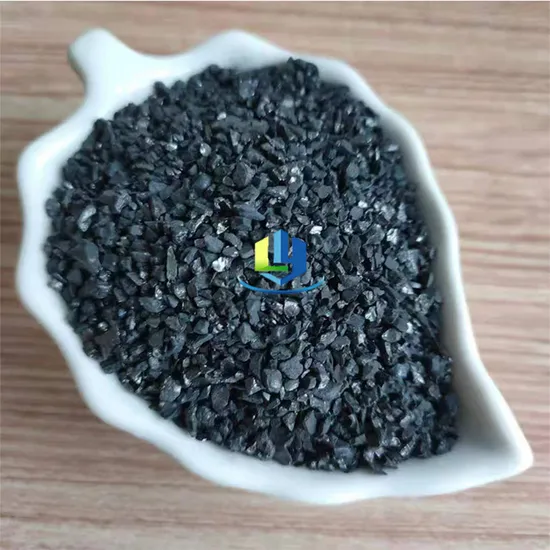
| Active Carbon Material | Coconut Shell Activated Carbon |
| Transport Package | 25kg, 500kg |
| Specification | granular |
| Trademark | Lvyuan |
| Origin | China |
| HS Code | 3802109000 |
| Production Capacity | 2000tons/Day |
Challenges in Mercaptan Removal? Coconut Shell Activated Carbon (CAS 64365-11-3) for Industrial Filtration Systems
Over 10 years serving food processing plants and aquaculture facilities across 50+ countries, we've witnessed how inconsistent mercaptan removal efficiency can disrupt production schedules—whether it's unexpected odor complaints in food plant filtration or failed water quality standards in aquaculture wastewater treatment. Many clients initially struggle with activated carbon products that either underperform in adsorption capacity or degrade prematurely, leading to frequent filter replacements and operational downtime.
High-Performance Coconut Shell Activated Carbon for Targeted Mercaptan Removal
Our Coconut Shell Activated Carbon addresses these challenges through its macroporous structure and high-carbon content, engineered specifically for efficient mercaptan adsorption in industrial filtration scenarios. With a production capacity of 2000 tons per day, we ensure consistent supply for both large-scale food plant operations and regional aquaculture facilities, eliminating the risk of project delays due to material shortages.
Industrial Applications in Filtration and Water Treatment
This granular Coconut Shell Activated Carbon is primarily designed for two critical industrial applications: food plant filtration systems where mercaptan compounds must be removed to maintain product quality, and aquaculture wastewater treatment processes requiring effective organic contaminant adsorption. Its gas adsorption properties make it suitable for air filtration systems in food processing environments, while its pore volume ensures sustained performance in water treatment applications.
Key Specifications Impacting Filtration Efficiency
The macroporous pore diameter is crucial for mercaptan removal as it provides sufficient surface area for adsorption, while the high-carbon content enhances chemical stability during prolonged use. The methylene blue adsorption value serves as a reliable indicator of its overall adsorption capacity, directly correlating with performance in real-world filtration scenarios. Our physical-chemical activation method ensures uniform pore distribution, eliminating the performance variability common in lower-quality carbon products.
Reliable Performance vs. Costly Downtime: The Value of Quality Carbon
Using our Coconut Shell Activated Carbon reduces operational costs by extending filter life and maintaining consistent performance between replacements. Inferior carbon products often require frequent change-outs, increasing labor costs and production interruptions. Our product meets industrial standards for adsorption materials, ensuring compliance with food plant safety protocols and aquaculture environmental regulations, while its stable supply chain minimizes unexpected material shortages.
Quality Assurance You Can Verify
Every batch of our Coconut Shell Activated Carbon undergoes rigorous testing, including methylene blue adsorption capacity and pore volume analysis, with results documented in each Certificate of Analysis (COA). We maintain full traceability from raw material sourcing to production, and can provide detailed manufacturing records for any batch upon request. If a delivered product fails to meet the specified parameters, we offer unconditional replacement to ensure your production continuity.
Certificate of Analysis & Documentation
Each shipment includes a batch-specific COA with test results for key parameters including adsorption properties and physical characteristics. MSDS documentation is provided for safe handling and storage, and additional technical data sheets are available upon request for integration into your quality management systems.
Storage & Handling
- Store in a cool, dry, well-ventilated area, sealed and away from direct sunlight.
- Keep away from incompatible materials, food and feed sources.
- Handle with appropriate personal protective equipment (gloves, goggles, lab coat).
- Follow good industrial hygiene practices. Avoid inhalation and skin contact.
- Refer to MSDS for detailed storage and safety instructions.
Streamlined Order Process for Industrial Buyers
Start by requesting a sample for your specific application testing, followed by a detailed quotation including logistics options. Once specifications are confirmed, we coordinate production and delivery through our Asia-Pacific trade hub, with bonded warehousing available for strategic inventory management. All industrial orders include full documentation package for customs clearance and quality control verification.
Frequently Asked Questions
Q: What is the typical shelf life of this activated carbon?
A: When stored properly in sealed packaging, our Coconut Shell Activated Carbon maintains its adsorption properties for 24 months from the production date.
Q: Can this product be used directly in food or pharmaceutical production?
A: No, this product is for industrial and laboratory research use only. It is not intended for direct contact with food intended for human consumption or pharmaceutical applications.
Q: What documentation is provided with each shipment?
A: Each order includes a batch-specific Certificate of Analysis (COA), Material Safety Data Sheet (MSDS), and packing list with HS Code 3802109000 for customs clearance.
Q: Is custom packaging available for large orders?
A: Yes, we offer custom packaging options for bulk orders exceeding 500kg to accommodate specific handling requirements.
Q: How is the adsorption capacity verified?
A: Adsorption properties are tested using methylene blue adsorption value according to standard industrial methods, with results provided in the COA.