

For industrial manufacturing and laboratory research purposes only.
Product Specifications
| Parameter | Value |
|---|---|
| Model NO. | Activated Carbon |
| Iodine Value | 600-900 mg/g |
| Usage | Air Purification, Gas Phase Adsorption, Industrial Decolorization, Water Treatment |
| Carbon Content | High-Carbon |
| Pore Diameter | Macroporous |
| Manufacturing Method | Physical-Chemical Method of Activated Carbon |
| Type | Gas Adsorption |
| Physical Properties | Pore Volume |
| Chemical Properties | pH Value |
| Adsorption Properties | Methylene Blue Adsorption Value |
| CAS No. | 64365-11-3 |
| Formula | C |
| Einecs | 264-846-4 |
| Artificial Graphite Type | Activated Charcoal |
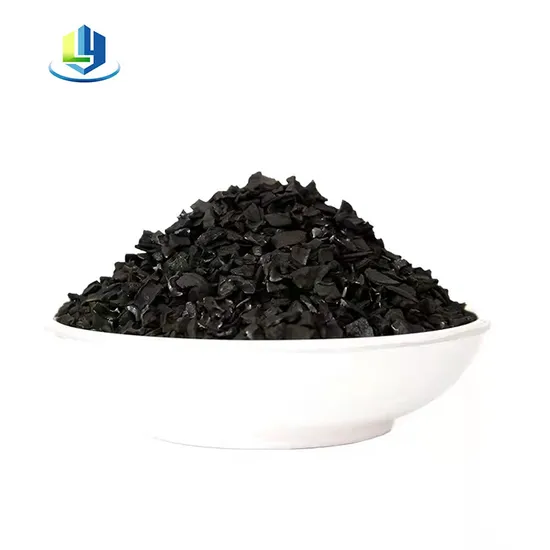
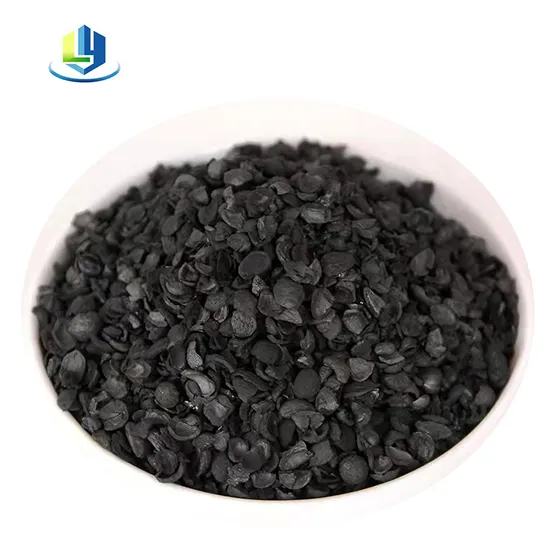
| Active Carbon Material | Coconut Shell Activated Carbon |
| Transport Package | 25kg, 500kg |
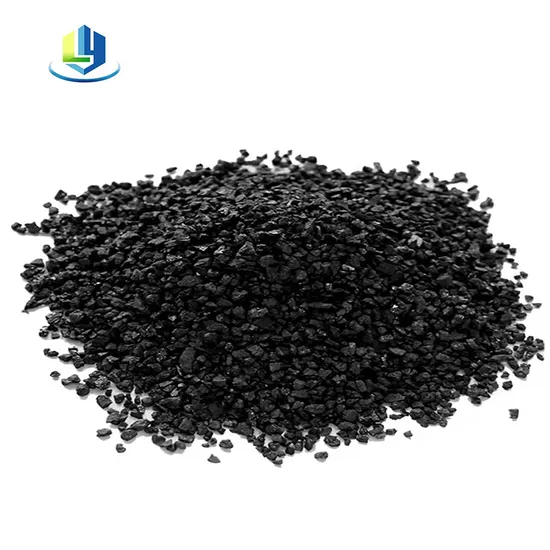
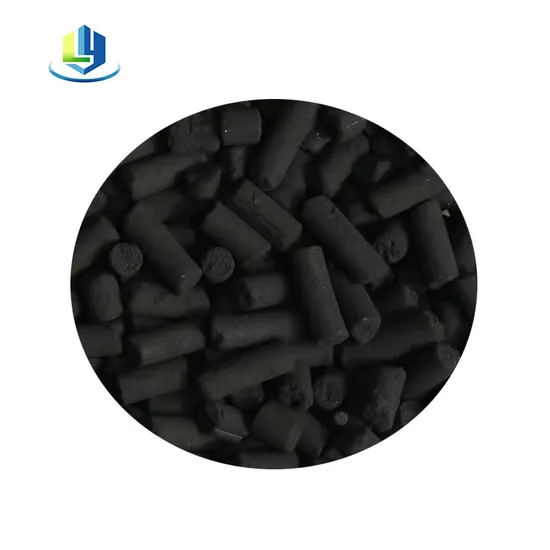
| Specification | granular |
| Trademark | BuyChemCn |
| Origin | China |
| HS Code | 3802109000 |
| Production Capacity | 2000tons/Day |
Consistent Water Purification Performance with Coconut Shell Activated Carbon (CAS 64365-11-3)
Inconsistent adsorption efficiency and batch-to-batch quality variations in activated carbon have long plagued industrial water treatment processes, leading to unstable purification results and increased operational costs. Our decade of experience serving water treatment facilities across Asia-Pacific has shown that unreliable carbon quality directly impacts process efficiency and product consistency.
A Stable Solution for Aquarium Water Treatment Systems
Our Coconut Shell Activated Carbon addresses these challenges with its high iodine value of 600-900 mg/g, ensuring superior adsorption capacity for organic contaminants in aquarium water treatment applications. As a leading chemical trade hub in the Asia-Pacific region, we leverage our established supply chain to deliver consistent quality, supporting the specific needs of aquatic research facilities and industrial aquarium system manufacturers.
Industrial Applications in Water Treatment
This granular activated carbon is primarily designed for industrial water purification processes, including aquarium water treatment systems, where precise contaminant removal is critical. Its macroporous structure and high carbon content make it suitable for adsorbing a wide range of organic compounds, supporting research and manufacturing processes that require controlled water quality parameters.
Key Specifications for Reliable Performance
The iodine value (600-900 mg/g) directly indicates the adsorption capacity, with higher values ensuring more effective removal of organic impurities in water systems. The macroporous structure enhances adsorption kinetics, allowing for efficient contaminant capture in continuous flow applications. Our physical-chemical activation method ensures consistent pore distribution, which is essential for reproducible performance in both research and industrial settings. The high-carbon content further guarantees minimal ash residue, reducing the risk of secondary contamination in sensitive water treatment processes.
Benefits of Using Our High-Quality Activated Carbon
Choosing our Coconut Shell Activated Carbon reduces the risk of process disruptions caused by inconsistent adsorbent quality, lowering long-term operational costs. Our product complies with industrial standards for water treatment chemicals, ensuring compatibility with existing purification systems. The stable supply capacity of 2000 tons per day guarantees uninterrupted availability, even for large-scale industrial operations, providing peace of mind and reliability for your water treatment needs.
Our Commitment to Quality Assurance
Every batch of our activated carbon undergoes rigorous quality control testing, including iodine value determination and pore structure analysis, to ensure compliance with specified parameters. We provide a Certificate of Analysis (COA) with each shipment, detailing key quality indicators for your verification. Our manufacturing facility follows strict production protocols, and we offer technical support to help optimize your carbon usage. In the rare case of non-conforming material, we provide a straightforward replacement process to minimize impact on your operations.
Certificate of Analysis & Documentation
Each delivery includes a batch-specific COA and MSDS, providing detailed safety and quality information. For research purposes requiring additional data, specific test results can be requested by referencing your order number, ensuring full transparency and traceability of your activated carbon supply.
Storage & Handling
- Store in a cool, dry, well-ventilated area, sealed and away from direct sunlight.
- Keep away from incompatible materials, food and feed sources.
- Handle with appropriate personal protective equipment (gloves, goggles, lab coat).
- Follow good industrial hygiene practices. Avoid inhalation and skin contact.
- Refer to MSDS for detailed storage and safety instructions.
Streamlined Ordering Process
Initiate your order by submitting an inquiry through our contact channels, specifying your required quantity and packaging preferences. We can provide samples for qualification testing upon request, ensuring the product meets your specific application needs before full-scale procurement. Our team will guide you through the process, from quotation to delivery, with all necessary documentation included.
Frequently Asked Questions
Q: What is the shelf life of this activated carbon?
A: When stored properly in sealed containers under recommended conditions, the product maintains its adsorption capacity for 24 months from the date of manufacture.
Q: Can this product be used for household aquarium filtration?
A: This product is intended for industrial and laboratory research use only, and is not approved for household applications.
What documentation is provided with each shipment?
A: Each order includes a Certificate of Analysis (COA) and Material Safety Data Sheet (MSDS) specific to the batch.
Q: Is custom packaging available?
A: We currently offer standard packaging of 25kg and 500kg. For specific packaging requirements, please contact our sales team to discuss feasibility.
Q: How is the iodine value tested?
A: Iodine value is determined using the standard ASTM D4607 method, ensuring accuracy and comparability with industry benchmarks.


