
For industrial manufacturing and laboratory research purposes only.
Product Specifications
| Parameter | Value |
|---|---|
| Model NO. | Polyacrylamide |
| EINECS | 201-173-7 |
| Certification | ISO9001 |
| Environmental Protection | Yes |
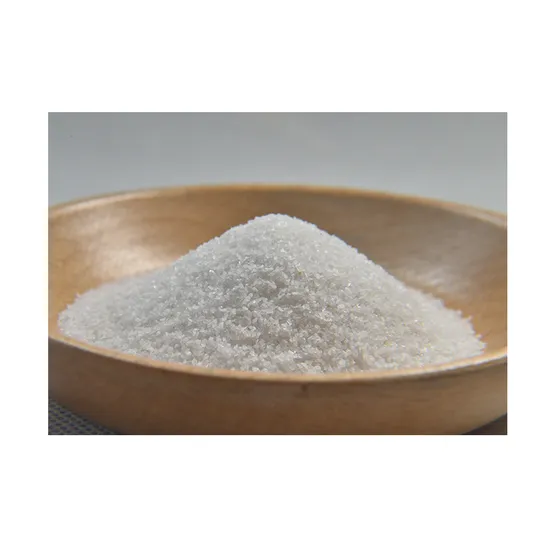
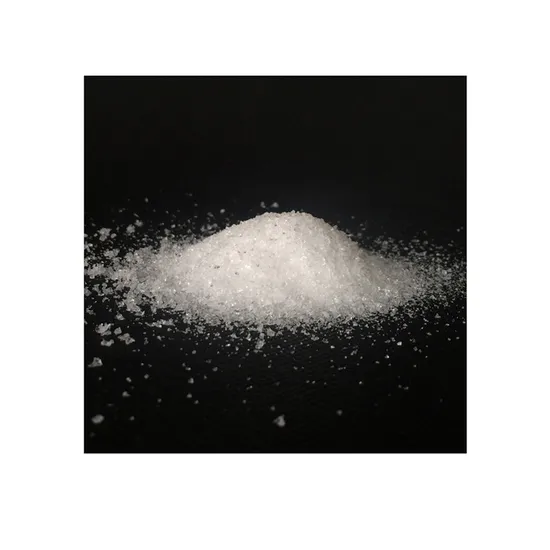
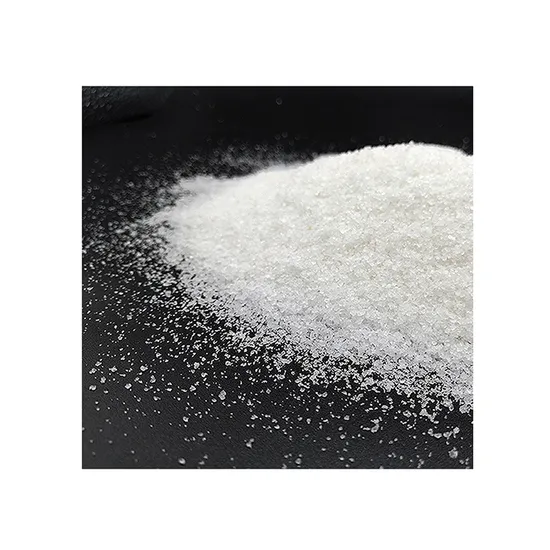
| Color | White |
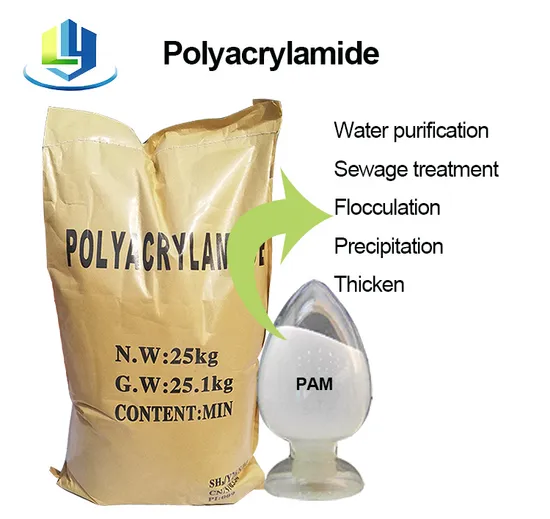
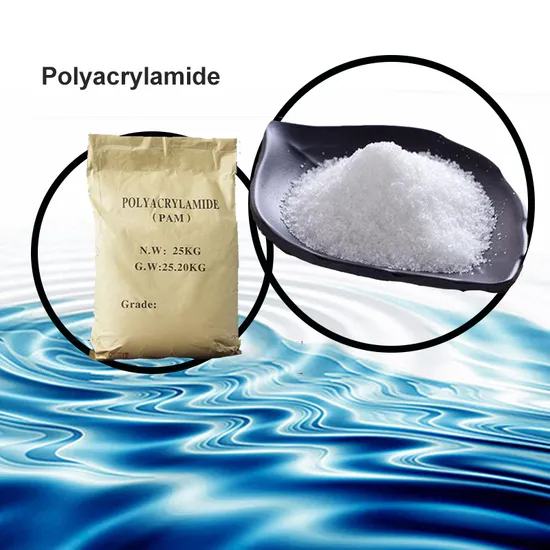
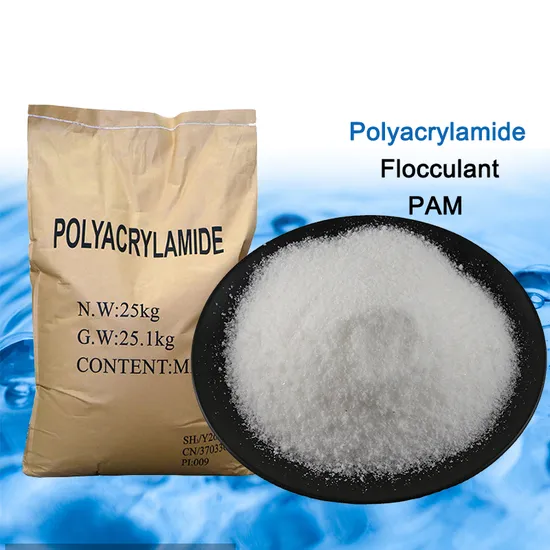
| Appearance | Powder |
| Kind | Flocculant |
| Transport Package | 1.Big Bag: 500kg/600kg Kraft Bag; 2.Small Bag: 25 |
| Specification | Powder |
| Trademark | Lvyuan |
| Origin | Henan China |
| Production Capacity | 2000ton |
Anionic Polyacrylamide PAM Powder (EINECS 201-173-7): Solving Water Treatment Flocculation Instability
In water treatment processes, inconsistent flocculation efficiency due to purity fluctuations and batch variations often leads to increased operational costs and failed compliance with discharge standards. We’ve witnessed laboratories struggling to replicate results and manufacturers facing production delays caused by unreliable flocculant supplies—challenges that stem from substandard raw material quality.
A Stable and Reliable Flocculant Supply Solution
Our Anionic Polyacrylamide PAM Powder addresses these critical pain points through stringent production controls and a decade of expertise in chemical supply chain management. As a trusted partner serving over 10,000 industrial clients across 50+ countries, we ensure consistent product performance, eliminating the risks of batch-to-batch variability that disrupt water treatment operations.
Typical Industrial Applications
This ISO9001 Certified Flocculant is widely utilized in industrial water treatment processes, including wastewater clarification, sludge dewatering, and process water purification. Its efficacy in aggregating suspended particles makes it indispensable for textile, mining, and municipal wastewater treatment facilities, where efficient solid-liquid separation is paramount to operational success.
Why Key Specifications Matter for Flocculation Performance
The white powder appearance of our Anionic PAM ensures minimal impurities, a critical factor in avoiding unexpected reactions during flocculation. Its consistent powder form guarantees uniform dissolution, preventing clumping that can lead to uneven treatment and equipment clogging. The ISO9001 certification further validates our commitment to quality, ensuring each batch meets strict standards for molecular weight distribution and charge density—key parameters that directly influence floc size and settling rate.
What You Gain With Our Anionic Polyacrylamide PAM Powder
Choosing our Water Treatment Flocculant translates to tangible operational benefits: reduced chemical consumption through optimal flocculation efficiency, lower sludge disposal costs via improved dewatering, and compliance with environmental regulations. Unlike low-quality alternatives that risk process failures and regulatory penalties, our ISO9001 Certified Flocculant delivers predictable performance, minimizing downtime and maximizing cost savings over the long term.
Why You Can Trust Our Flocculant Supply
Our quality assurance framework includes comprehensive testing for purity, molecular weight, and solubility using advanced analytical techniques. Each shipment is accompanied by a Certificate of Analysis (COA) detailing batch-specific results, ensuring full traceability. With a production capacity of 2000 tons annually, we maintain stable inventory to meet fluctuating demand, supported by a global logistics network that ensures timely delivery to Asia-Pacific and beyond.
Certificate of Analysis & Documentation
Every order includes a batch-specific COA and MSDS, providing detailed safety and handling information. For critical applications, additional testing data—including viscosity and flocculation efficiency measurements—can be requested to support your quality control processes.
Storage & Handling
- Store in a cool, dry, well-ventilated area, sealed and away from direct sunlight.
- Keep away from incompatible materials, food and feed sources.
- Handle with appropriate personal protective equipment (gloves, goggles, lab coat).
- Follow good industrial hygiene practices. Avoid inhalation and skin contact.
- Refer to MSDS for detailed storage and safety instructions.
How to Place Your Order
Initiate your purchase by submitting an inquiry with your required specifications, including packaging size and quantity. We offer sample evaluation to verify compatibility with your processes, followed by bulk order confirmation. All shipments include complete documentation to facilitate customs clearance and quality verification upon receipt.
Frequently Asked Questions
Q: What is the shelf life of the Anionic Polyacrylamide PAM Powder?
A: When stored in original sealed packaging under recommended conditions, the product has a shelf life of 24 months from the date of manufacture.
Q: Can this product be used for food or pharmaceutical applications?
A: No. This product is FOR INDUSTRIAL AND LABORATORY RESEARCH USE ONLY and not suitable for direct human consumption or medical purposes.
Q: What documentation is provided with each shipment?
A: Each order includes a Certificate of Analysis (COA) and Material Safety Data Sheet (MSDS).
Q: Do you offer custom packaging options?
A: Yes, we provide both big bags (500kg/600kg Kraft Bag) and small bags (25kg). Contact our sales team for specific packaging requirements.
Q: How is the product's purity verified?
A: Purity is confirmed through batch testing, with results detailed in the COA. Additional testing can be arranged upon request for critical applications.