

For industrial manufacturing and laboratory research purposes only.
Product Specifications
| Parameter | Value |
|---|---|
| Model NO. | Polyacrylamide |
| EINECS | 201-173-7 |
| Certification | ISO9001 |
| Environmental Protection | Yes |
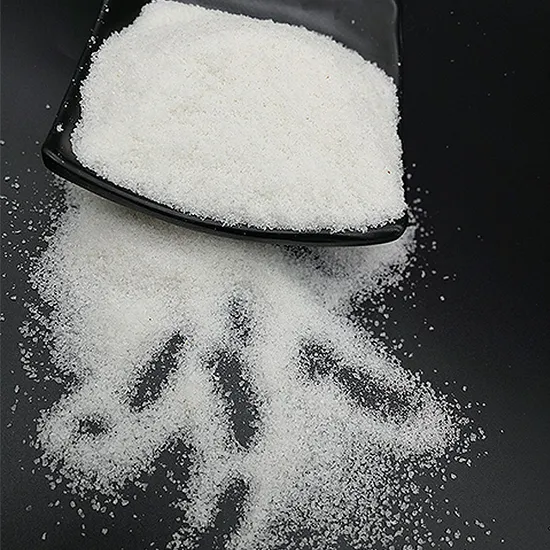
| Color | White |
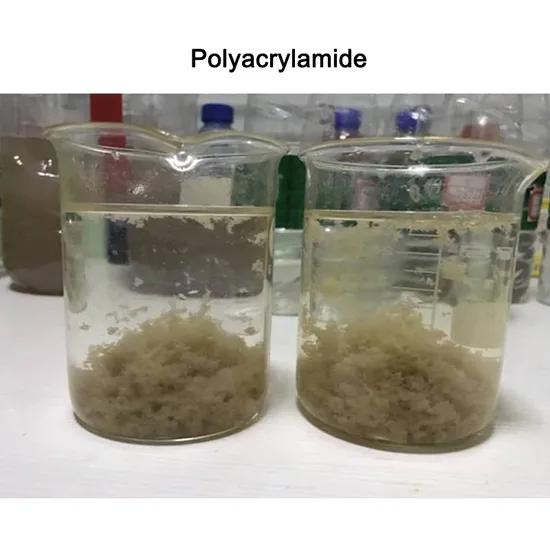
| Appearance | Powder |
| Kind | Flocculant |
| Transport Package | 1.Big Bag: 500kg/600kg Kraft Bag; 2.Small Bag: 25kg |
| Specification | Powder |
| Trademark | Lvyuan |
| Origin | Henan China |
| Production Capacity | 2000ton |
Water Treatment PAM Polyacrylamide Flocculant (EINECS 201-173-7) for Stable Industrial Processes
Industrial water treatment operations often face critical challenges with flocculant performance—unstable purity leading to inconsistent sedimentation rates, batch-to-batch variations disrupting treatment efficiency, and supply delays causing production bottlenecks. Over our 10+ years serving 50+ countries, we’ve witnessed how substandard polyacrylamide can increase sludge disposal costs by up to 30% and extend treatment cycles, directly impacting manufacturing throughput.
A Stable and Reliable PAM Flocculant Solution
Our Water Treatment PAM Polyacrylamide Flocculant addresses these pain points through ISO9001-certified production processes and a supply chain designed for Asia-Pacific chemical traders and manufacturing enterprises. With bonded warehousing capabilities and one-stop logistics support, we ensure consistent product availability and on-time delivery, eliminating the risks of production downtime due to material shortages.
Typical Industrial Applications
This polyacrylamide water treatment flocculant is widely used in industrial wastewater processing, municipal sewage treatment, and mining tailings dewatering. Its high molecular weight structure promotes effective particle aggregation, reducing turbidity and improving solid-liquid separation efficiency in industrial-scale water treatment systems. It is also suitable for laboratory research in environmental engineering and material science applications requiring controlled flocculation.
Why Key Specifications Matter
The white powder appearance of our polyacrylamide indicates low impurity content, critical for avoiding discoloration in treated water and ensuring consistent performance. The ISO9001 certification guarantees adherence to strict quality management systems, from raw material selection to final packaging. The 2000-ton annual production capacity ensures stable supply even for large-scale industrial operations, while the dual packaging options (500kg/600kg kraft bags and 25kg small bags) provide flexibility for different storage and handling requirements.
What You Gain With Our Polyacrylamide Water Treatment
Choosing our ISO9001 PAM flocculant means reducing operational risks associated with inferior products—such as equipment clogging from undissolved particles or non-compliance with environmental discharge standards. The environmental protection compliance of our product aligns with increasingly stringent regional regulations, helping customers avoid costly fines. Unlike uncertified alternatives, our consistent quality reduces the need for process adjustments, lowering overall water treatment costs by maintaining optimal flocculation efficiency.
Why You Can Trust Us
Our 10+ years of experience in chemical production ensures deep expertise in polyacrylamide formulation and quality control. Each batch undergoes rigorous testing for purity, molecular weight distribution, and dissolution rate, with results documented in a Certificate of Analysis (COA) provided with every shipment. We offer a 100% satisfaction guarantee—if product specifications do not match the COA, we provide full replacement or refund. Our dedicated technical support team is available to assist with dosage optimization and application troubleshooting, ensuring customers maximize the performance of our white powder flocculant.
Certificate of Analysis & Documentation
Every order includes a batch-specific COA detailing key parameters such as purity, moisture content, and pH value. Material Safety Data Sheets (MSDS) are provided for safe handling and storage compliance. For critical applications requiring detailed verification, specific batch test records can be requested using your order number, and additional analytical reports (e.g., particle size distribution) are available upon request.
Storage & Handling
- Store in a cool, dry, well-ventilated area, sealed and away from direct sunlight.
- Keep away from incompatible materials, food and feed sources.
- Handle with appropriate personal protective equipment (gloves, goggles, lab coat).
- Follow good industrial hygiene practices. Avoid inhalation and skin contact.
- Refer to MSDS for detailed storage and safety instructions.
How to Place Your Order
To purchase our PAM Flocculant ISO9001 certified product, start by submitting an online inquiry with your required quantity and packaging preference. We will provide a comprehensive quotation including logistics and customs clearance support. For first-time customers, sample testing is available to verify performance compatibility. Once specifications are confirmed, bulk orders are processed with a typical lead time of 7-10 business days, with door-to-door delivery options via our international logistics network.
Frequently Asked Questions
Q: What is the shelf life of the polyacrylamide flocculant?
A: When stored in original sealed packaging under recommended conditions, the product has a shelf life of 24 months from the production date.
Q: Can this product be used for food or pharmaceutical applications?
A: No. This product is strictly for industrial and laboratory research use only, not for direct human consumption or medical applications.
Q: What documentation is provided with each shipment?
A: Each order includes a Certificate of Analysis (COA), Material Safety Data Sheet (MSDS), and commercial invoice.
Q: Do you offer custom packaging or specifications?
A: Custom packaging options may be available for large-volume orders. Please contact our sales team to discuss specific requirements.
Q: How is the product's purity verified?
A: Purity is verified through multiple analytical methods including infrared spectroscopy and gel permeation chromatography (GPC), with results documented in the batch COA.