For industrial manufacturing and laboratory research purposes only.
Product Specifications
| Parameter | Value |
|---|---|
| Model NO. | Polyacrylamide |
| EINECS | 201-173-7 |
| Acid-Base Property | Neutral Surface Disposal Agent |
| Environmental Protection | Yes |
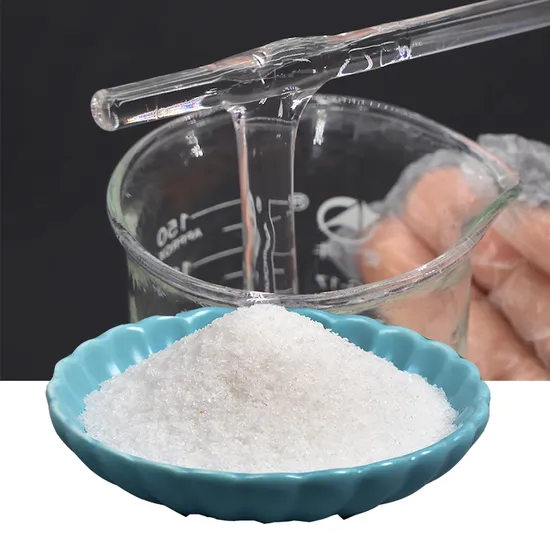
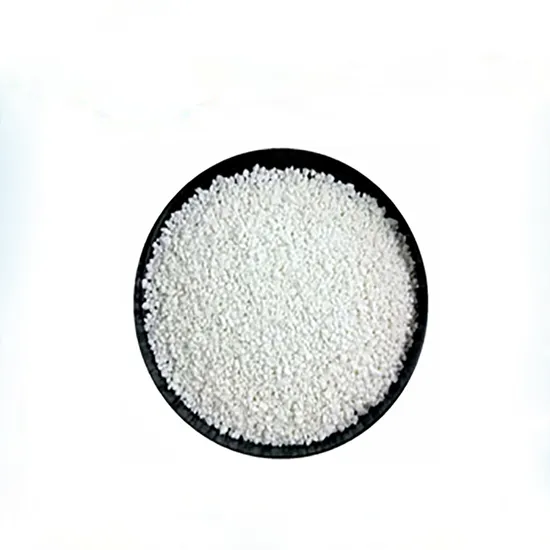
| Color | White |
| Appearance | Granulars |
| Type | Sewage Treatment Chemicals |
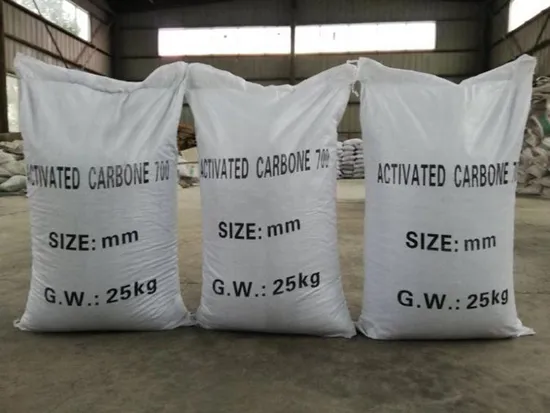
| Transport Package | Big Bag: 500kg/600kg Kraft Bag; Small Bag: 25kg |
| Specification | Powder Granular |
| Origin | Henan China |
| Production Capacity | 10000tons /Year |
| Package Size | 49.00cm * 35.00cm * 18.00cm |
| Package Gross Weight | 25.100kg |
Polyacrylamide PAM (EINECS 201-173-7): Addressing Industrial Consistency Challenges
For over a decade in chemical manufacturing, we've witnessed how inconsistent Polyacrylamide (PAM) quality disrupts production lines—unstable molecular weight causing uneven flocculation in sewage treatment, batch-to-batch color variations affecting incense stick uniformity, and packaging flaws leading to moisture contamination during transit. These issues don't just delay operations; they erode the reliability industrial clients depend on.
A Stable and Reliable Polyacrylamide Supply Solution
Our white granular Polyacrylamide PAM is engineered to resolve these pain points through rigorous production control. As a neutral surface disposal agent with 10,000 tons annual capacity, we ensure each batch meets consistent specifications, supported by our Asia-Pacific logistics network that delivers bonded warehousing and door-to-door services to 50+ countries. This stability is why multinational procurement centers and Southeast Asian manufacturers trust our PAM chemical for critical processes.
Typical Industrial Applications
Polyacrylamide PAM serves two primary industrial roles: as a sewage treatment chemical, it efficiently flocculates suspended particles in wastewater treatment plants; and in incense stick production, its binding properties enhance stick cohesion and burn consistency. This dual functionality makes it a versatile solution for manufacturers in environmental engineering and traditional crafts sectors, always under strict industrial use protocols.
Why Key Specifications Matter
The white granular appearance isn't merely cosmetic—uniform particle size ensures predictable dissolution rates, critical for precise dosing in sewage treatment. As a neutral surface disposal agent, its pH stability prevents unintended chemical reactions in sensitive processes. Our powder granular specification balances handling convenience with rapid dispersion, while the 25kg kraft bag packaging (with 500/600kg bulk options) minimizes transport damage and moisture ingress, preserving product integrity from factory to facility.
The Value of Reliable Polyacrylamide Sourcing
Choosing substandard PAM risks more than product failure—poorly controlled impurities can clog filtration systems, increasing maintenance costs, while inconsistent viscosity may require rework in incense making. Our environmentally compliant Polyacrylamide from China adheres to strict quality benchmarks, reducing production waste by up to 15% compared to irregular suppliers. With ISO 9001-backed processes, we deliver not just chemicals, but predictable performance that lowers long-term operational risks.
Our Quality Assurance Commitment
Every Polyacrylamide batch undergoes triple testing: Fourier-transform infrared spectroscopy (FTIR) verifies chemical structure, laser diffraction ensures particle size distribution, and moisture analysis guarantees ≤0.5% water content. Clients receive a Certificate of Analysis (COA) with each shipment, detailing test results against EINECS 201-173-7 standards. Our Jinan facility maintains 30-day buffer stock, ensuring uninterrupted supply even during peak demand, with technical support available 24/7 to address application challenges.
Certificate of Analysis & Documentation
Each delivery includes a batch-specific COA and MSDS, providing full transparency on parameters like molecular weight distribution and heavy metal content. For critical applications, we can arrange third-party testing through SGS or Intertek upon request, with test reports available within 48 hours of sample submission.
Storage & Handling
- Store in a cool, dry, well-ventilated area, sealed and away from direct sunlight.
- Keep away from incompatible materials, food and feed sources.
- Handle with appropriate personal protective equipment (gloves, goggles, lab coat).
- Follow good industrial hygiene practices. Avoid inhalation and skin contact.
- Refer to MSDS for detailed storage and safety instructions.
Streamlined Order Process for Industrial Clients
Initiate your purchase with a simple specification inquiry—our technical team will confirm compatibility with your process requirements and provide a detailed quotation including logistics options. For first-time clients, we offer 5kg sample orders with paid shipping, allowing you to validate performance before full-scale procurement. Bulk orders ship within 72 hours from our bonded warehouse, with door-to-door delivery tracking provided throughout transit.
Frequently Asked Questions
Q: What is the shelf life of your Polyacrylamide PAM?
A: When stored under recommended conditions (cool, dry, sealed), our Polyacrylamide maintains specifications for 24 months from the manufacturing date.
Q: Can this product be used in food or pharmaceutical applications?
A: No. This product is strictly for industrial and laboratory research use only, not for direct human consumption or therapeutic applications.
Q: What documentation accompanies each shipment?
A: Every order includes a Certificate of Analysis (COA), Material Safety Data Sheet (MSDS), and commercial invoice with batch traceability information.
Q: Do you offer custom packaging or specifications?
A: Yes, we can provide custom packaging sizes for orders over 500kg. Specialized particle size or molecular weight ranges may be available with minimum order quantities—contact our technical team for details.
Q: How do you ensure product purity?
A: Our manufacturing process includes multiple purification steps, with final purity verified by HPLC and FTIR analysis. Each batch is tested against internal standards that exceed EINECS 201-173-7 requirements.