For industrial manufacturing and laboratory research purposes only.
Product Specifications
| Parameter | Value |
|---|---|
| Model NO. | Coconut Activated Carbon |
| Carbon Content | High-Carbon |
| Pore Diameter | Macroporous |
| Manufacturing Method | Chemical Method of Activated Carbon |
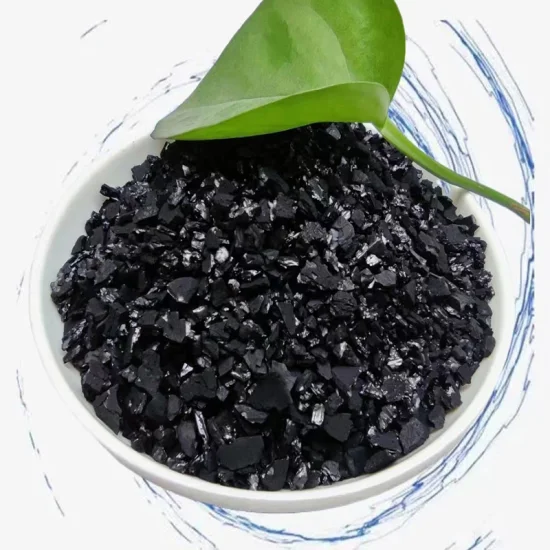
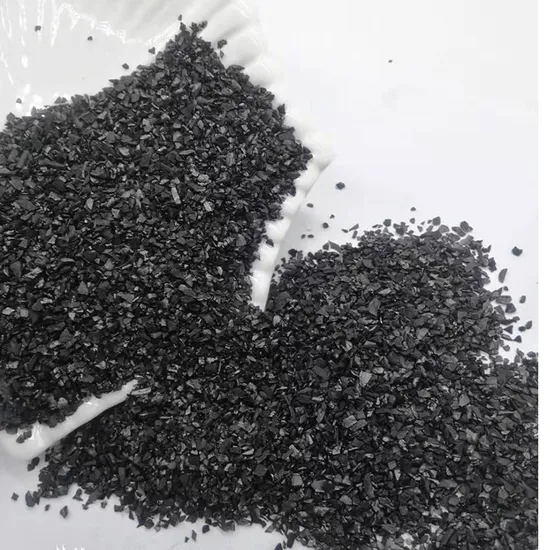
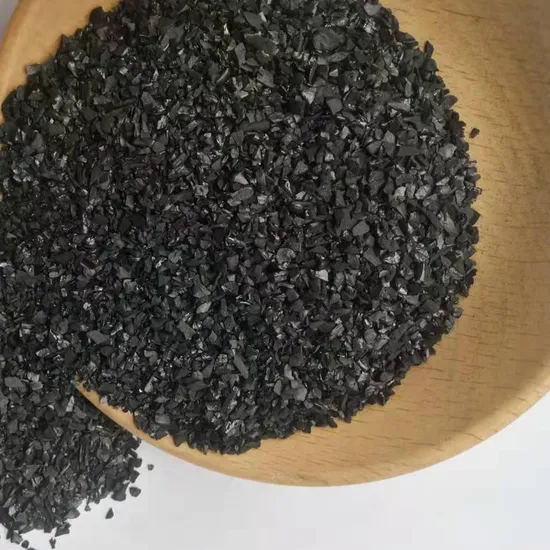
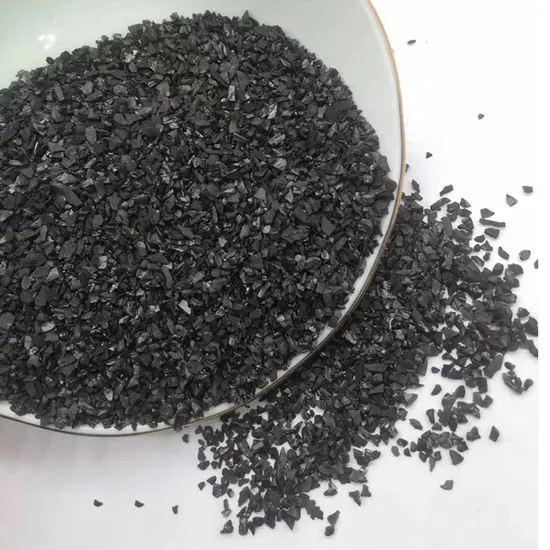
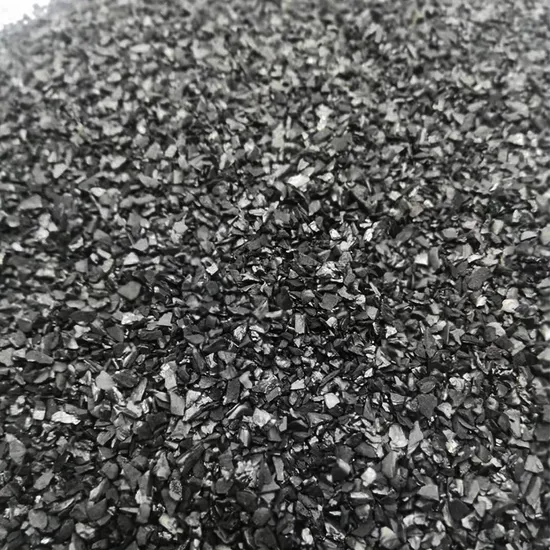
| Appearance | Granular |
| Physical Properties | Shape |
| Chemical Properties | Ash Content |
| Adsorption Properties | Methylene Blue Adsorption Value |
| Artificial Graphite Type | Activated Carbon |
| Type | Water Treatment |
| EINECS | 264-846-4 |
| Formula | C |
| CAS No. | 64365-11-3 |
| Transport Package | 25kg 500kg |
| Specification | Granular |
| Trademark | LvYuan |
| Origin | China |
| Production Capacity | 1000 Ton/Month |
Overcoming Gold Processing Challenges with High-Carbon Activated Carbon (CAS 64365-11-3)
For over a decade in the chemical supply industry, we've witnessed gold processing operations struggle with inconsistent adsorption efficiency, excessive ash content causing equipment wear, and supply chain disruptions that delay production timelines. These issues not only increase operational costs but also compromise the reliability of critical extraction processes.
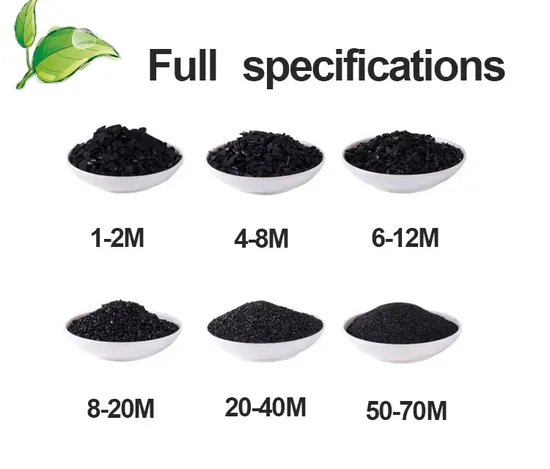
Industrial 6X12 Mesh Coconut Activated Carbon: A Gold Processing Solution
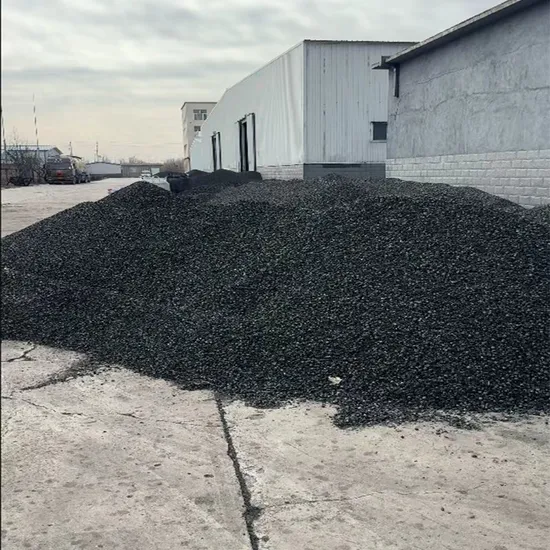
Our Industrial Coconut Activated Carbon addresses these challenges through its optimized 6X12 mesh size and high-carbon content, ensuring superior adsorption performance in gold recovery systems. With a production capacity of 1000 tons per month, we provide stable supply to Asia-Pacific chemical traders and manufacturing enterprises, supported by our one-stop logistics solutions that streamline cross-border distribution.
Key Applications in Gold Processing Industry
This Granular Activated Carbon for Gold is specifically engineered for use in carbon-in-pulp (CIP) and carbon-in-leach (CIL) processes, efficiently adsorbing gold cyanide complexes from ore slurries. Its macroporous structure facilitates rapid loading and elution, making it ideal for continuous industrial gold extraction operations where throughput and recovery rates are critical.
Critical Specifications for Gold Processing Performance
The high-carbon content of our product directly enhances adsorption capacity, allowing for greater gold loading per unit weight and reducing the frequency of carbon regeneration. Its macroporous pore diameter ensures optimal flow dynamics in processing tanks, minimizing pressure drop and energy consumption. The granular appearance promotes uniform distribution in slurry systems, preventing channeling and ensuring consistent contact with gold-bearing solutions. Methylene Blue Adsorption Value, a key indicator of adsorption efficiency, further validates its performance in precious metal recovery applications.
Benefits of Reliable High-Quality Activated Carbon
Choosing our High-Carbon Activated Carbon reduces the risk of process inefficiencies caused by inferior materials, such as low adsorption rates leading to gold loss or high ash content requiring frequent filter cleaning. Our commitment to consistent quality ensures batch-to-batch performance stability, which is essential for maintaining predictable production outcomes. By leveraging our established supply chain network, customers benefit from reduced logistics costs and timely delivery, even for large-volume orders across the Asia-Pacific region.
Our Quality Assurance Commitment
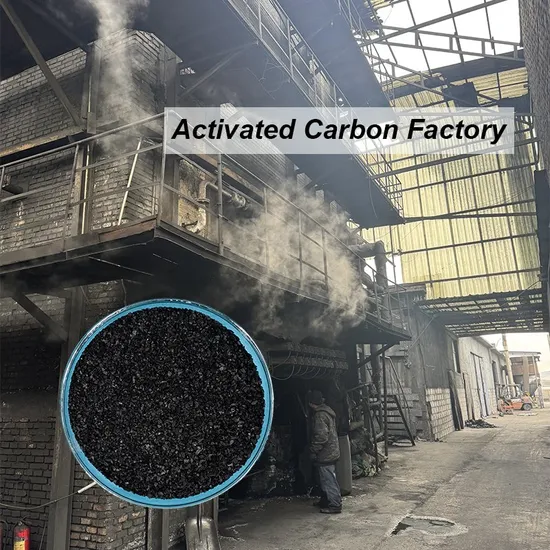
Every batch of our Coconut Shell Carbon for Gold Processing undergoes rigorous quality control testing, including adsorption capacity verification and ash content analysis. We provide a Certificate of Analysis (COA) with each shipment, detailing key performance parameters. Our production facilities adhere to strict manufacturing standards, ensuring that each ton meets the specifications required for industrial gold processing. With 10+ years of experience serving over 10000 industrial clients, we stand behind our product with responsive technical support and a commitment to resolving any quality concerns promptly.
Certificate of Analysis & Documentation
Each shipment includes a batch-specific COA and MSDS, providing detailed safety and handling information. For specific batch verification, customers can request additional documentation by referencing their order number. Detailed adsorption performance data is available upon request to support process validation and optimization.
Storage & Handling
- Store in a cool, dry, well-ventilated area, sealed and away from direct sunlight.
- Keep away from incompatible materials, food and feed sources.
- Handle with appropriate personal protective equipment (gloves, goggles, lab coat).
- Follow good industrial hygiene practices. Avoid inhalation and skin contact.
- Refer to MSDS for detailed storage and safety instructions.
Streamlined Ordering Process
To place an order, contact our sales team with your specific requirements, including mesh size and packaging preferences. We recommend requesting a sample for performance testing prior to large-scale procurement. Once specifications are confirmed, we ensure timely production and delivery through our bonded warehousing and international logistics network, providing end-to-end supply chain support.
Frequently Asked Questions
Q: What is the shelf life of this activated carbon?
A: When stored properly in sealed packaging, the product maintains its adsorption properties for up to 2 years from the manufacturing date.
Q: Can this product be used for food or pharmaceutical applications?
A: No, this product is FOR INDUSTRIAL AND LABORATORY RESEARCH USE ONLY. It is not suitable for direct human consumption or medical applications.
Q: What documentation is provided with each shipment?
A: Each order includes a Certificate of Analysis (COA) and Material Safety Data Sheet (MSDS) specific to the batch.
Q: Is custom packaging available?
A: Standard packaging is 25kg and 500kg. For large-volume orders, custom packaging options can be discussed with our sales team.
Q: How is the carbon content measured and guaranteed?
A: Carbon content is determined through elemental analysis, and each batch is tested to ensure high-carbon specifications are met, as detailed in the COA.