For industrial manufacturing and laboratory research purposes only.
Product Specifications
| Parameter | Value |
|---|---|
| Model NO. | Polyacrylamide |
| EINECS | 201-173-7 |
| Acid-Base Property | Neutral Surface Disposal Agent |
| Environmental Protection | Yes |
| Color | White |
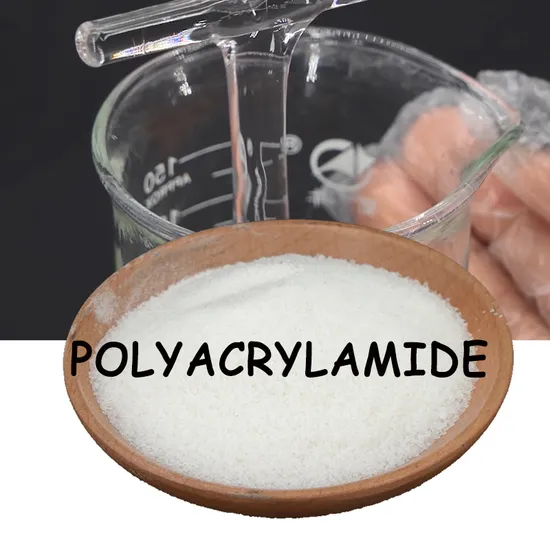
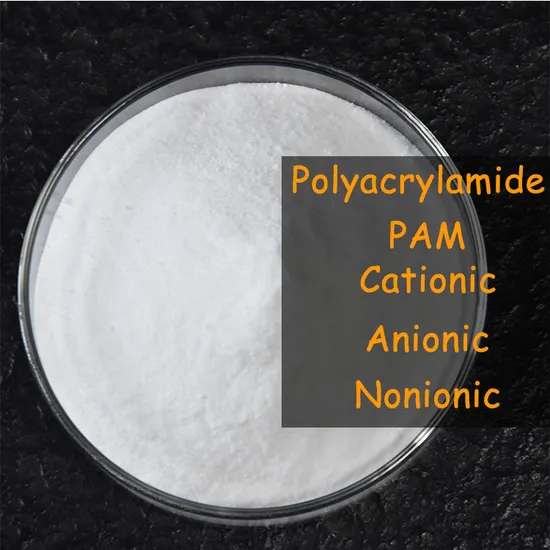
| Appearance | Granulars |
| Type | Sewage Treatment Chemicals |
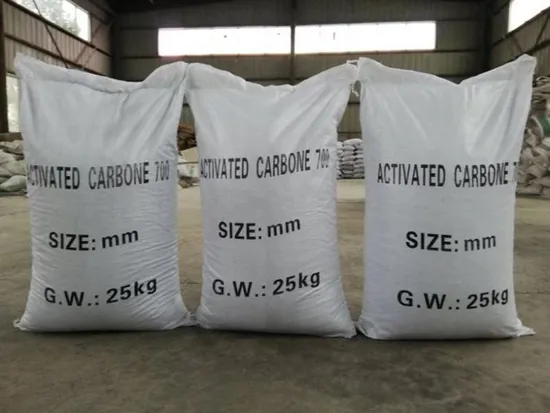
| Transport Package | Big Bag: 500kg/600kg Kraft Bag; Small Bag: 25kg |
| Specification | Powder Granular |
| Origin | Henan China |
| Production Capacity | 10000tons /Year |
| Package Size | 39.00cm * 35.00cm * 18.00cm |
| Package Gross Weight | 23.100kg |
Addressing Wastewater Treatment Challenges with Flocculant Polyacrylamide (EINECS 201-173-7)
In industrial wastewater treatment, inconsistent flocculation efficiency and high sedimentation time remain persistent issues for manufacturers across Southeast Asia. Over a decade of working with chemical processing plants, we've witnessed how substandard flocculants lead to increased operational costs and compliance risks—problems that directly impact production timelines and environmental regulatory adherence.
Stable Polyacrylamide Solutions for Industrial Water Management
Our Flocculant Polyacrylamide PAM Powder delivers consistent performance to address these challenges. As a leading chemical trade hub in the Asia-Pacific region, we leverage Hong Kong's logistics network to ensure reliable supply chains, supporting manufacturing enterprises in Southeast Asia with efficient chemical distribution and bonded warehousing solutions. This white granular PAM powder is engineered for seamless integration into industrial water treatment systems, providing predictable flocculation results.
Industrial Applications of Polyacrylamide Flocculants
Flocculant PAM for Wastewater Treatment plays a critical role in various industrial processes, including municipal sewage treatment, textile dyeing wastewater purification, and mining effluent clarification. Its neutral surface disposal properties make it suitable for pH-sensitive industrial applications, facilitating the separation of suspended solids and improving water recyclability in manufacturing operations.
Key Specifications Driving Treatment Efficiency
The granular powder form ensures rapid dissolution and uniform dispersion in water treatment systems, minimizing equipment clogging and optimizing reaction times. The white coloration serves as a visual indicator of purity, while the neutral pH property prevents unwanted chemical reactions with other treatment agents. Our consistent production processes—backed by an annual capacity of 10,000 tons—guarantee batch-to-batch uniformity, a critical factor for maintaining stable treatment performance in continuous industrial operations.
Operational Advantages of Quality PAM Powder
Choosing our China Made PAM Powder reduces the risk of process disruptions caused by inferior flocculants. Unlike low-quality alternatives that may introduce heavy metals or inconsistent molecular weight distributions, our product meets environmental protection standards, supporting your facility's sustainability goals. The reliable supply chain minimizes production downtime, while the optimized packaging options—from 25kg small bags to 600kg kraft big bags—reduce material handling costs and storage space requirements.
Quality Assurance You Can Verify
Every batch of our Polyacrylamide undergoes rigorous testing to ensure compliance with declared specifications. Our quality control protocols include viscosity measurement, solid content analysis, and molecular weight verification, with comprehensive documentation available for review. We maintain full traceability from raw material sourcing to final packaging, and our production facility operates under strict quality management systems to ensure consistent output. Should any product fail to meet your specified requirements, we offer prompt replacement to minimize your operational impact.
Certificate of Analysis & Documentation
Each shipment includes a Certificate of Analysis (COA) with batch-specific test results, ensuring full transparency of product quality. Material Safety Data Sheets (MSDS) are provided to support your facility's safety protocols and regulatory compliance efforts. For critical applications requiring additional verification, specific batch test records can be requested with your order reference number.
Storage & Handling
- Store in a cool, dry, well-ventilated area, sealed and away from direct sunlight.
- Keep away from incompatible materials, food and feed sources.
- Handle with appropriate personal protective equipment (gloves, goggles, lab coat).
- Follow good industrial hygiene practices. Avoid inhalation and skin contact.
- Refer to MSDS for detailed storage and safety instructions.
Streamlined Procurement Process
Initiate your order by submitting a detailed inquiry specifying your required quantity and packaging preferences. Our technical team can provide tailored recommendations based on your specific wastewater characteristics and treatment goals. For first-time users, sample evaluation is available to validate performance before full-scale procurement, ensuring the product meets your operational requirements.
Frequently Asked Questions
Q: What is the shelf life of the Polyacrylamide PAM Powder?
A: When stored in original sealed packaging under recommended conditions, the product maintains stability for 24 months from the production date.
Q: Can this product be used in food or pharmaceutical applications?
A: No. This product is strictly for industrial and laboratory research use only, not for direct human consumption, therapeutic or household use.
Q: What documentation is provided with each shipment?
A: Each order includes a Certificate of Analysis (COA) and Material Safety Data Sheet (MSDS) specific to the batch shipped.
Q: Are custom packaging options available?
A: Standard packaging includes 25kg small bags and 500kg/600kg kraft big bags. Custom packaging may be available for large-volume orders—please inquire with our sales team.
Q: How is product purity ensured?
A: Purity is maintained through strict raw material selection, controlled production processes, and batch testing including appearance, solubility, and molecular weight verification.