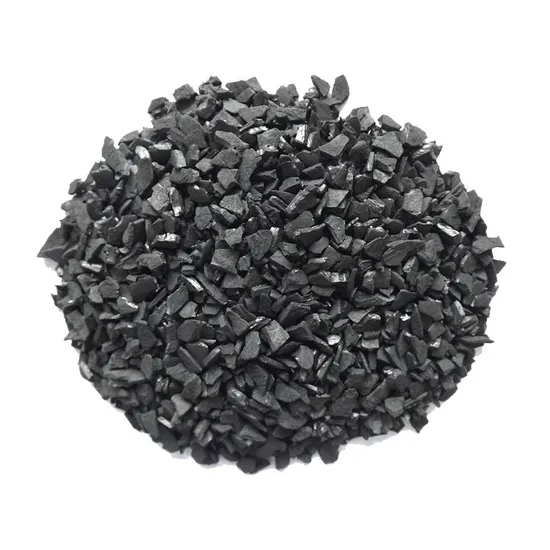
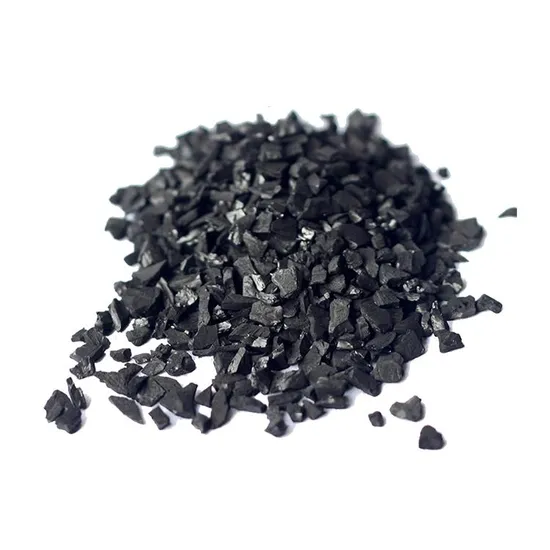
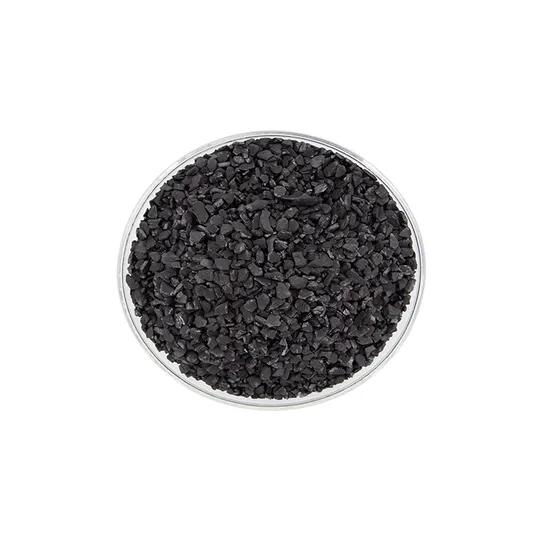
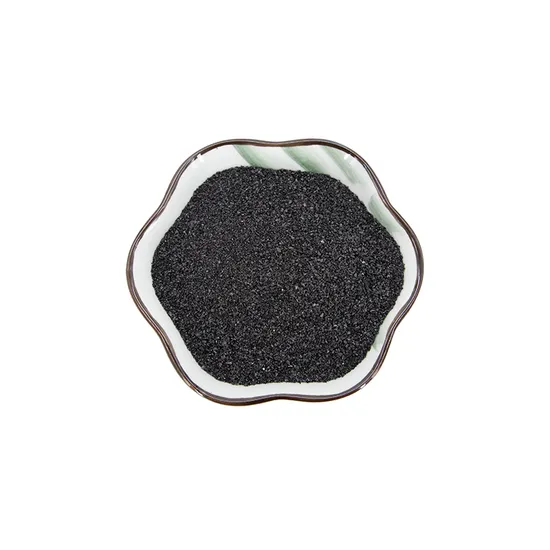
For industrial manufacturing and laboratory research purposes only.
Product Specifications
| Parameter | Value |
|---|---|
| Model NO. | Polyacrylamide |
| EINECS | 201-173-7 |
| Certification | ISO9001 |
| Environmental Protection | Yes |
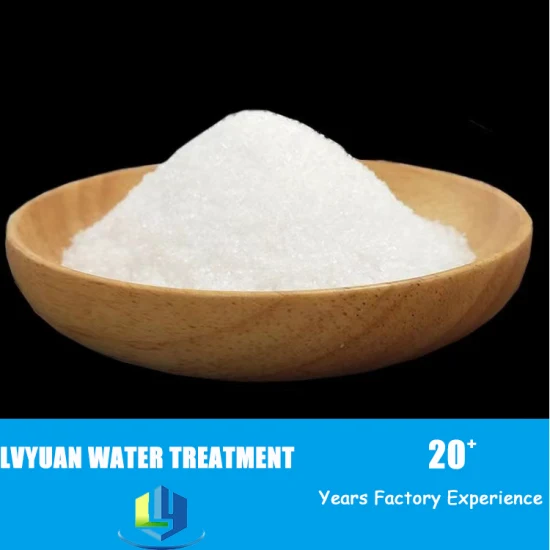
| Color | White |
| Appearance | Powder |
| Kind | Flocculant |
| Producing Flow | Paper Processing Chemicals |
| Transport Package | 1.Big Bag: 500kg/600kg Kraft Bag; 2.Small Bag: 25 |
| Specification | Powder |
| Trademark | BuyChemCn |
| Origin | Henan China |
| Production Capacity | 2000ton |
Anionic Polyacrylamide PAM Powder with EINECS 201-173-7 for Consistent Industrial Performance
Having supported water treatment plants and agricultural enterprises across 50+ countries for over a decade, we’ve witnessed the critical impact of flocculant quality—from inconsistent sedimentation rates causing treatment process delays to batch variations disrupting large-scale irrigation projects. These challenges not only increase operational costs but also compromise the reliability of industrial and research outcomes.
Stabilized Flocculation Solutions for Industrial & Agricultural Applications
Our Anionic Polyacrylamide (PAM) Powder addresses these pain points through a production process honed by 10+ years of industry expertise. As a flocculant trusted by 10,000+ industrial clients, it delivers uniform particle size distribution and consistent charge density, ensuring predictable performance in both water treatment clarifiers and agricultural soil conditioning systems. Backed by a 2000-ton annual production capacity, we guarantee steady supply even for bulk orders, eliminating the risk of project downtime due to material shortages.
Core Industrial Applications
Anionic Polyacrylamide PAM Powder serves as a high-efficiency flocculation agent in industrial wastewater treatment, where it accelerates solid-liquid separation by aggregating suspended particles. In agricultural settings, it enhances soil structure and water retention when used as a soil conditioner, supporting sustainable irrigation practices. Its versatility also extends to paper processing, where it improves fiber retention and drainage efficiency—all strictly for industrial manufacturing and research purposes.
Key Specifications Driving Performance
The white powder appearance of our Anionic PAM ensures minimal impurities, a critical factor for avoiding color contamination in water treatment effluents. Its ISO9001 certification validates adherence to strict quality control standards, from raw material selection to final packaging. The dual packaging options (500kg/600kg kraft big bags and 25kg small bags) cater to both large-scale industrial operations and laboratory research needs, while the "Environmental Protection: Yes" attribute aligns with global sustainability initiatives for chemical usage.
Risk Mitigation Through Quality Assurance
Choosing substandard PAM can lead to inefficient flocculation, increased chemical dosage requirements, and potential non-compliance with environmental regulations. Our ISO9001-certified Anionic Polyacrylamide minimizes these risks by ensuring batch-to-batch consistency, reducing the need for process adjustments and lowering long-term operational costs. As a supplier with a proven track record in cross-border chemical trade, we navigate complex customs policies to deliver on time, every time—critical for maintaining production schedules.
Our Commitment to Reliability
Each batch of Anionic Polyacrylamide undergoes rigorous testing, including molecular weight verification and charge density analysis, with results documented in a Certificate of Analysis (COA) provided with every shipment. Our production facility in Henan, China, operates under strict quality management protocols, and we offer a full refund or replacement for any product failing to meet specified parameters. With dedicated technical support available to address application-specific questions, we ensure our clients have the resources needed for optimal product performance.
Certificate of Analysis & Documentation
Every order includes a batch-specific COA detailing key quality parameters and compliance with ISO9001 standards. MSDS documents are provided to ensure safe handling and storage, with additional technical data available upon request for research institutions requiring detailed material specifications.
Storage & Handling
- Store in a cool, dry, well-ventilated area, sealed and away from direct sunlight.
- Keep away from incompatible materials, food and feed sources.
- Handle with appropriate personal protective equipment (gloves, goggles, lab coat).
- Follow good industrial hygiene practices. Avoid inhalation and skin contact.
- Refer to MSDS for detailed storage and safety instructions.
Streamlined Order Process
Begin by submitting an online inquiry with your required quantity and packaging preference—our team will provide a comprehensive quote within 24 hours. For first-time clients, sample requests are available to verify product suitability. Once specifications are confirmed, bulk orders are processed with a lead time aligned with your production schedule, and all shipments include the necessary customs documentation for smooth cross-border delivery.
Frequently Asked Questions
Q: What is the shelf life of Anionic Polyacrylamide PAM Powder?
A: When stored in sealed original packaging under recommended conditions, the product maintains stability for 24 months from the date of manufacture.
Q: Can this product be used for food or pharmaceutical applications?
A: No. This product is strictly for industrial and laboratory research use only, and not for direct human consumption, therapeutic, or household use.
What documentation is provided with each shipment?
A: Every order includes a Certificate of Analysis (COA) and Material Safety Data Sheet (MSDS). Additional customs documents are provided for international shipments.
Q: Do you offer custom packaging or specifications?
A: Custom packaging options may be available for large-volume orders. Please contact our sales team to discuss specific requirements.
Q: How is the purity of the product verified?
A: Purity is verified through a combination of analytical techniques, including infrared spectroscopy and viscosity measurements, with results documented in the batch-specific COA.