For industrial manufacturing and laboratory research purposes only.
Product Specifications
| Parameter | Value |
|---|---|
| EINECS | 201-173-7 |
| Acid-Base Property | Neutral Surface Disposal Agent |
| Certification | ISO |
| Environmental Protection | Yes |
| Color | White |
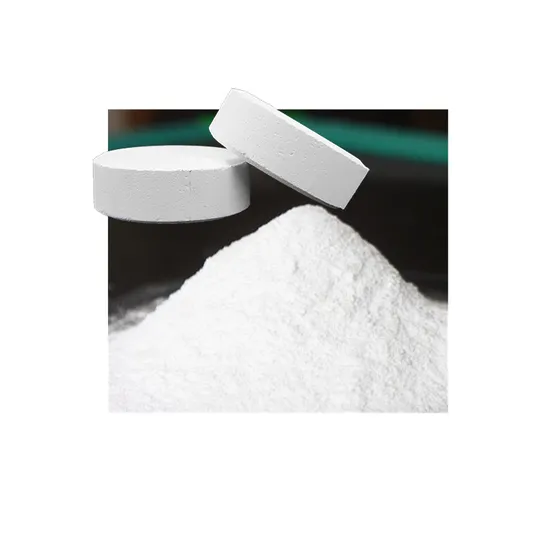
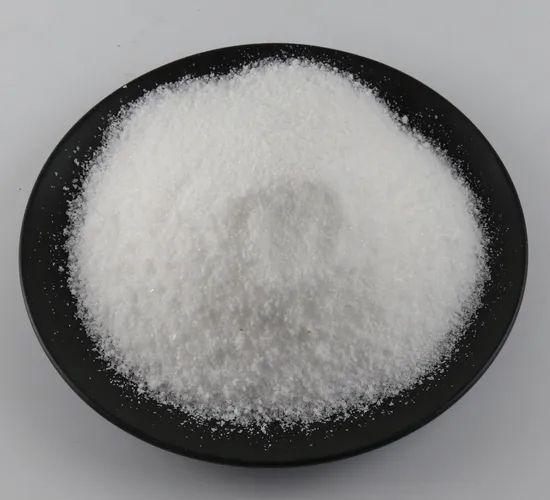
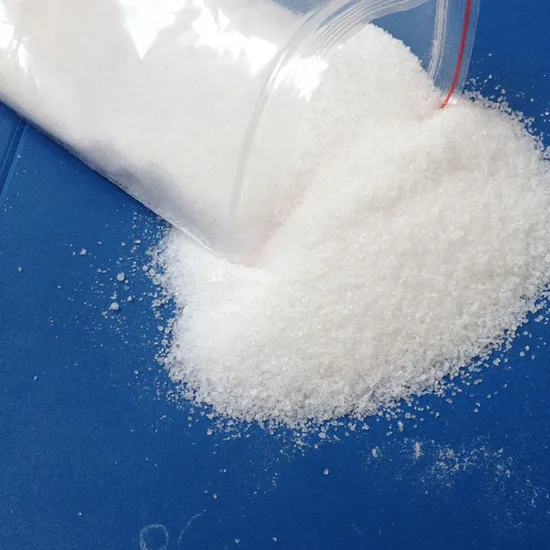
| Appearance | Powder |
| Type | Sewage Treatment Chemicals |
| Delivery Time | 7-15days |
| Logo Customization | Support |
| Ionic | Anionic Cationic Nonionic |
| Purity | 99% |
| MOQ | 1ton |
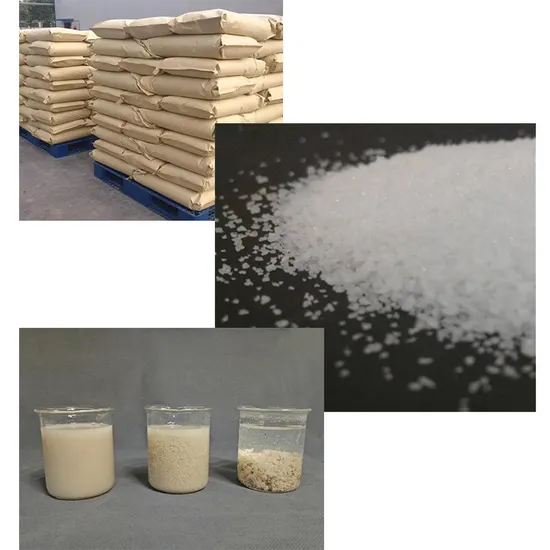
| Transport Package | 25kg/Bag, 1ton/Bag |
| Specification | 25kg/bag, 1ton/bag |
| Trademark | BuyChemCn |
| Origin | Henan, China |
| HS Code | 3906901000 |
| Production Capacity | 400ton/Month |
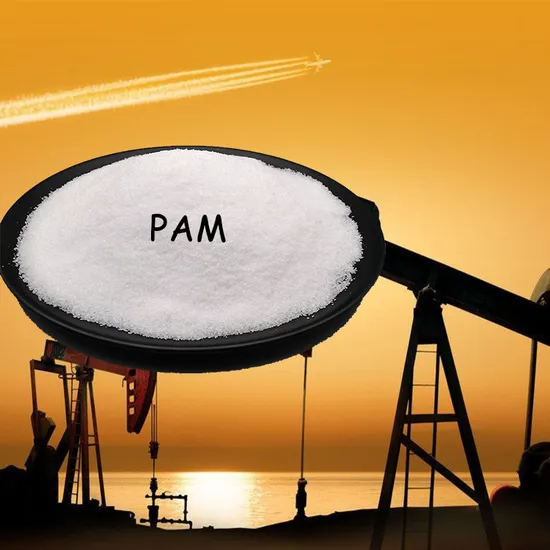
Addressing Wastewater Treatment Challenges with PAM Polyacrylamide (EINECS 201-173-7)
For over a decade in industrial chemical supply, we've witnessed how inconsistent polymer quality disrupts wastewater treatment processes—unstable flocculation efficiency causing达标 issues, batch-to-batch viscosity variations leading to dosing system malfunctions, and delayed deliveries halting production lines. These challenges aren't just operational headaches; they directly impact compliance costs and environmental performance for manufacturing facilities across Southeast Asia.
A Stable Solution for Reliable Wastewater Treatment
Our PAM Polyacrylamide Powder addresses these critical pain points through 99% purity and rigorous production control. As a specialized chemical trade hub with bonded warehousing and cross-border logistics expertise, we ensure consistent supply chains even for bulk orders, supporting the continuous operation of water treatment plants and manufacturing facilities throughout the Asia-Pacific region.
Industrial Applications of Polyacrylamide Powder
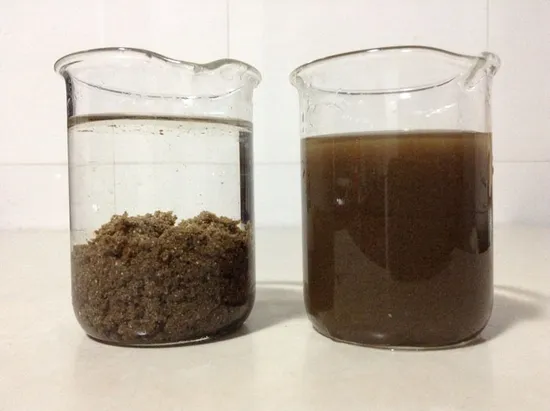
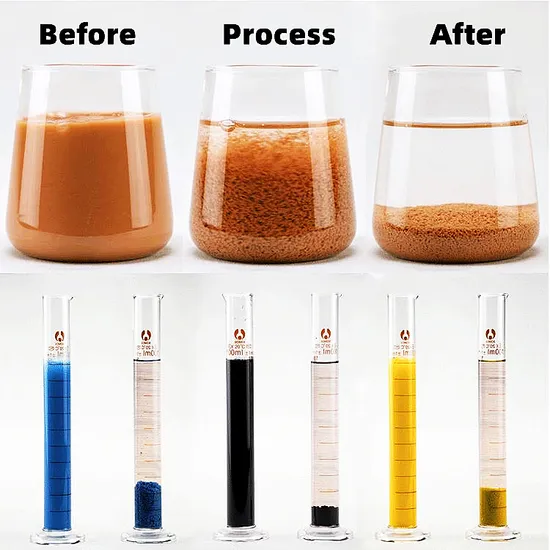
Primarily utilized as a sewage treatment chemical, this polyacrylamide powder serves as an efficient flocculant in industrial wastewater processing, aiding in solid-liquid separation across textile, printing, papermaking, and municipal wastewater treatment plants. Its versatile ionic forms (Anionic, Cationic, Nonionic) allow customization for specific water quality conditions, making it a staple in industrial water management systems.
Key Specifications Impacting Treatment Efficiency
The 99% purity level minimizes impurities that could interfere with flocculation kinetics, ensuring predictable performance in various pH environments. The powder form guarantees easy dissolution and uniform mixing, critical for consistent dosing accuracy. Ionic type selection directly influences charge neutralization efficiency—cationic variants excel in organic sludge dewatering, while anionic types perform optimally in inorganic particle aggregation. Our strict quality control maintains these specifications batch after batch, eliminating the variability that plagues lower-grade products.
Benefits of ISO-Certified Polyacrylamide
Choosing ISO-certified PAM translates to tangible operational advantages: reduced sludge volume through enhanced flocculation, lower chemical consumption due to higher active content, and compliance with environmental discharge standards. Conversely, inferior polyacrylamide may introduce heavy metals or residual monomers, risking regulatory violations and equipment damage. With our stable monthly production capacity of 400 tons, we provide the supply security needed for long-term wastewater treatment projects.
Our Quality Assurance Commitment
Every batch undergoes comprehensive testing including molecular weight verification, ionic degree analysis, and solubility testing. We provide detailed COA documents with each shipment, and maintain raw material traceability records for five years. Our production facility operates under strict ISO quality management systems, with dedicated quality control personnel monitoring each production stage. If specifications fail to meet agreed standards, we offer full product replacement within 7 days of receipt.
Certificate of Analysis & Documentation
Each delivery includes a batch-specific Certificate of Analysis detailing key parameters such as purity, ionic strength, and moisture content, along with a Safety Data Sheet (MSDS) outlining handling precautions. For critical applications requiring additional verification, complete analytical test reports can be provided upon request, including chromatographic profiles and viscosity measurements.
Storage & Handling
- Store in a cool, dry, well-ventilated area, sealed and away from direct sunlight.
- Keep away from incompatible materials, food and feed sources.
- Handle with appropriate personal protective equipment (gloves, goggles, lab coat).
- Follow good industrial hygiene practices. Avoid inhalation and skin contact.
- Refer to MSDS for detailed storage and safety instructions.
Streamlined Order Process for Industrial Buyers
Our procurement process is designed for industrial efficiency: start with a specification-focused inquiry, request a sample for performance testing, receive a comprehensive quotation including logistics options, and finalize with a secure order. For repeat customers, we offer customized packaging solutions and scheduled deliveries to align with your production cycles, supported by our bonded warehousing services for just-in-time inventory management.
Frequently Asked Questions
Q: What is the shelf life of the polyacrylamide powder?
A: When stored under recommended conditions in unopened original packaging, the product maintains stability for 24 months from the manufacturing date.
Q: Is this product suitable for food or pharmaceutical applications?
A: No. This product is strictly for industrial and laboratory research use only, not for direct human consumption or medical applications.
Q: What documentation is provided with each shipment?
A: Each order includes a Certificate of Analysis (COA), Safety Data Sheet (MSDS), and commercial invoice. Additional export documents can be provided upon request.
Q: Can the product specifications be customized?
A: Yes, we offer tailored ionic degrees and molecular weights for bulk orders exceeding 10 tons. Contact our technical team with your specific requirements.
Q: How is product purity verified?
A: Purity is determined through multiple methods including elemental analysis, solubility testing, and residual monomer quantification via HPLC, with results documented in the batch COA.