

For industrial manufacturing and laboratory research purposes only.
Product Specifications
| Parameter | Value |
|---|---|
| Model NO. | CPAM APAM NPAM |
| EINECS | 201-173-7 |
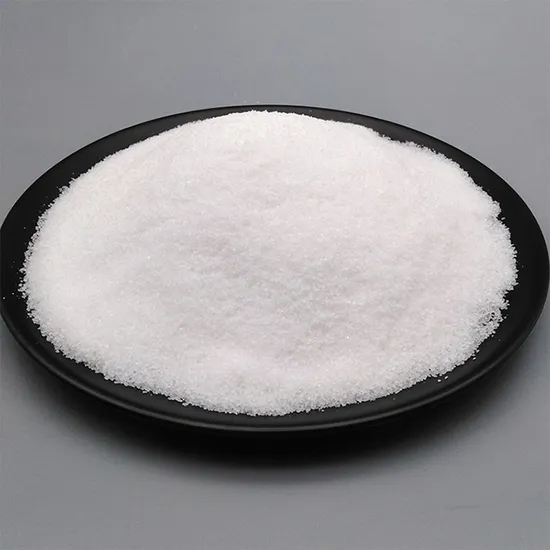
| Appearance | Granules |
| Usage | Oil Drilling Auxiliary Agent, Water Treatment Chemicals, Rubber Auxiliary Agents, Plastic Auxiliary Agents, Coating Auxiliary Agents, Textile Auxiliary Agents, Paper Chemicals, Leather Auxiliary Agents |
| Color | White |
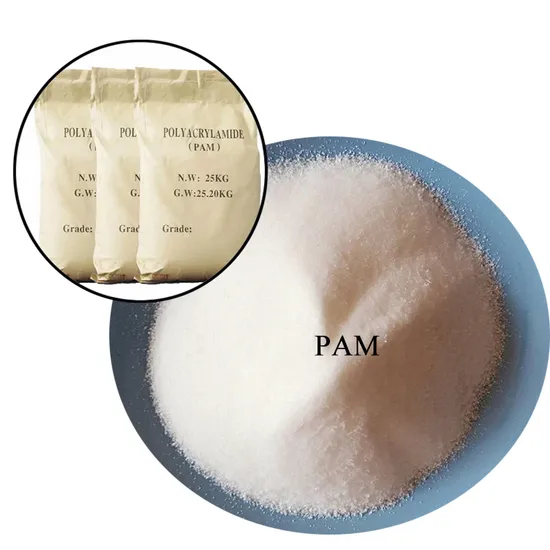
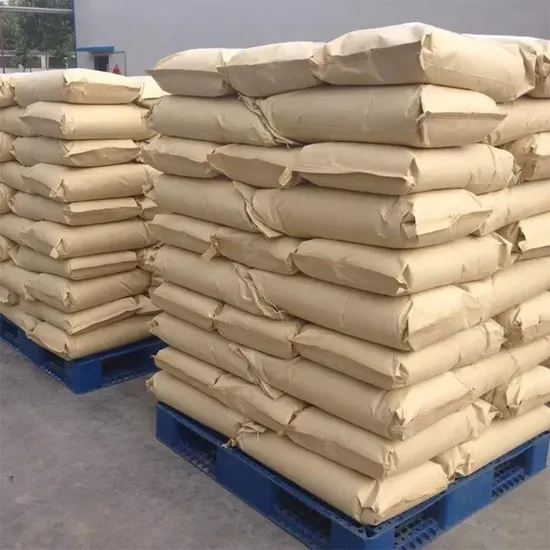
| Transport Package | 25kg, 500kg |
| Specification | Granular |
| HS Code | 3802109000 |
| Production Capacity | 1000tons /Year |
| Package Size | 110.00cm * 120.00cm * 120.00cm |
| Package Gross Weight | 1010.000kg |
Hydrolyzed Polyacrylamide (HPAM) EINECS 201-173-7: Overcoming Industrial Supply Challenges
We've witnessed countless production delays caused by inconsistent HPAM quality—fluctuating molecular weights disrupting water treatment efficiency, batch-to-batch viscosity variations ruining oil drilling fluid formulations, and unexpected impurities leading to costly process failures. In our 10+ years serving chemical traders and manufacturing enterprises across Southeast Asia, these issues remain persistent pain points for industrial operations.
A Stable Supply Chain for Reliable HPAM Performance
Our Hydrolyzed Polyacrylamide (HPAM) addresses these critical challenges through a vertically integrated supply chain. As a specialized chemical trade hub with bonded warehousing capabilities in Hong Kong, we ensure consistent product quality from production to delivery, supporting both large-scale manufacturing and precision laboratory research with reliable inventory management.
Industrial Applications of HPAM Granules
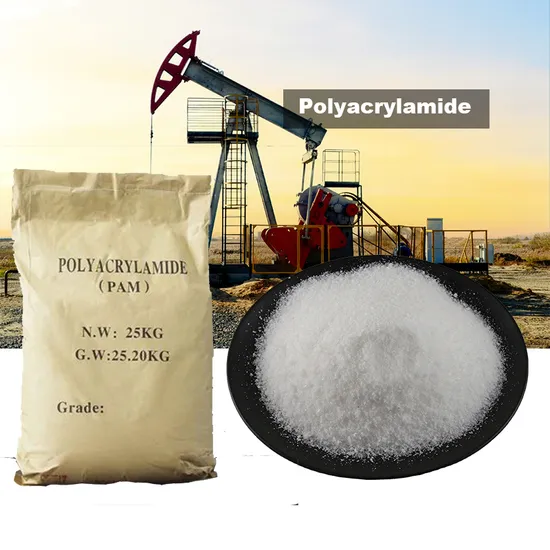
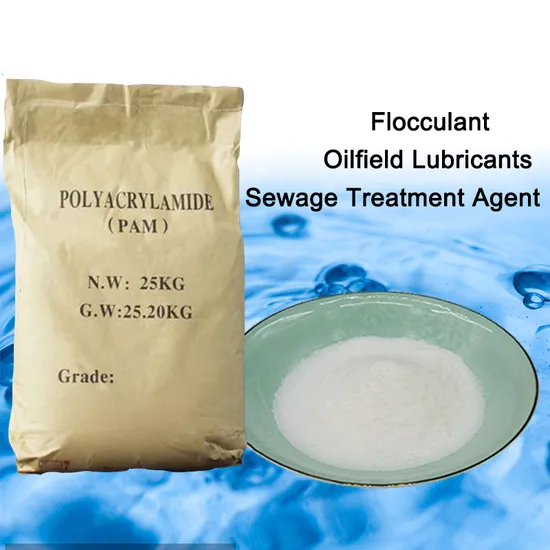
Hydrolyzed Polyacrylamide plays a vital role in multiple industrial sectors. As an Oil Drilling HPAM, it functions as a rheology modifier and fluid loss control agent in well drilling operations. For water treatment applications, HPAM acts as a flocculant to remove suspended solids in industrial wastewater processing. Its versatility extends to paper manufacturing, textile processing, and coating formulations as a thickening and binding agent—all strictly for industrial production processes.
Key Specifications Impacting Industrial Performance
The granular form (Specification: Granular) ensures efficient dissolution and uniform mixing in industrial processes, eliminating clumping issues common with powdered alternatives. Production capacity of 1000tons/Year guarantees long-term supply stability for continuous manufacturing operations. The white color (Color: White) indicates low impurity content, critical for applications requiring high clarity such as paper processing. Transport package options (25kg, 500kg) provide flexibility for both small-batch laboratory testing and large-scale industrial production needs.
Quality HPAM: Reducing Costs Through Reliability
Choosing our HPAM translates to measurable operational benefits. Consistent quality reduces production downtime caused by material variability, while strict adherence to industry standards minimizes the risk of non-compliance with environmental regulations in water treatment applications. Our anionic and cationic polyacrylamide granules maintain stable performance across temperature and pH variations, ensuring process efficiency and reducing material waste compared to lower-grade alternatives.
Our Quality Assurance Commitment
Every batch of HPAM undergoes comprehensive testing before release, with analytical methods tailored to verify key performance parameters critical for industrial applications. Our production facility operates under strict quality management protocols, ensuring batch-to-batch consistency. We provide detailed technical documentation with each shipment, supporting your quality control processes. With a decade of experience serving 50+ countries, our supply chain expertise ensures on-time delivery even for complex cross-border logistics requirements.
Certificate of Analysis & Documentation
Each shipment includes a Certificate of Analysis (COA) with batch-specific test results, ensuring full traceability of your Hydrolyzed Polyacrylamide. Material Safety Data Sheets (MSDS) are provided in compliance with international standards, containing detailed safety handling information for industrial operations.
Storage & Handling
- Store in a cool, dry, well-ventilated area, sealed and away from direct sunlight.
- Keep away from incompatible materials, food and feed sources.
- Handle with appropriate personal protective equipment (gloves, goggles, lab coat).
- Follow good industrial hygiene practices. Avoid inhalation and skin contact.
- Refer to MSDS for detailed storage and safety instructions.
Streamlined Order Process for Industrial Buyers
Our purchasing process is designed for industrial efficiency: start with a detailed specification inquiry, receive a comprehensive quotation including logistics solutions, request a sample for qualification testing, and place your order with flexible delivery options. We support both bulk orders and small laboratory quantities, with dedicated customer service throughout the process.
Frequently Asked Questions
Q: What is the shelf life of your HPAM granules?
A: When stored properly in sealed containers under recommended conditions, our HPAM granules maintain stable performance for 24 months from the date of manufacture.
Q: Can this HPAM be used in food or pharmaceutical applications?
A: No. This product is for industrial and laboratory research use only, not for direct human consumption, therapeutic or household use.
Q: What documentation is provided with each shipment?
A: Each order includes a Certificate of Analysis (COA) with batch-specific test results and a Material Safety Data Sheet (MSDS) with safety handling instructions.
Q: Do you offer custom packaging options beyond the standard 25kg and 500kg?
A: Custom packaging solutions are available for large-volume orders. Please specify your requirements during the quotation process.
Q: How is the quality and purity of your HPAM verified?
A: Our HPAM undergoes rigorous testing for key parameters including molecular weight, hydrolysis degree, and impurity content. Detailed test methods and results are available in the COA.