For industrial manufacturing and laboratory research purposes only.
Product Specifications
| Parameter | Value |
|---|---|
| Model NO. | LY-C |
| Ash | <3% |
| Iodine Value | >1100 mg/g |
| PH Value | 7-9 |
| Specific Surface Area | 900-1200 m²/g |
| Usage | Air Purification, Gas Phase Adsorption, Industrial Decolorization, Water Treatment |
| Active Carbon Material | Wooden Activated Carbon |
| Carbon Content | High-Carbon |
| Pore Diameter | Macroporous |
| Manufacturing Method | Chemical Method of Activated Carbon |
| Type | Water Treatment |
| CAS No. | 64365-11-3 |
| Einecs | 264-846-4 |
| Formula | C |
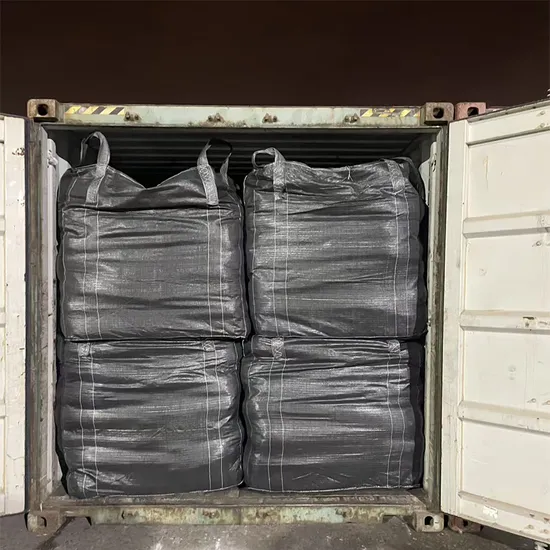
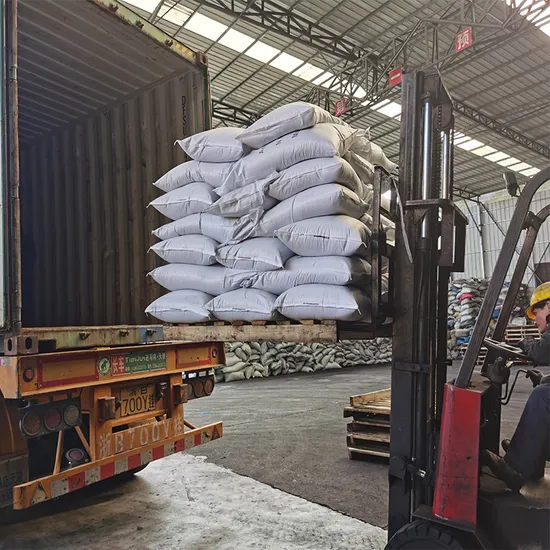
| Transport Package | 25kg 500kg |
| Specification | Granular |
| Trademark | BuyChemCn |
| Origin | China |
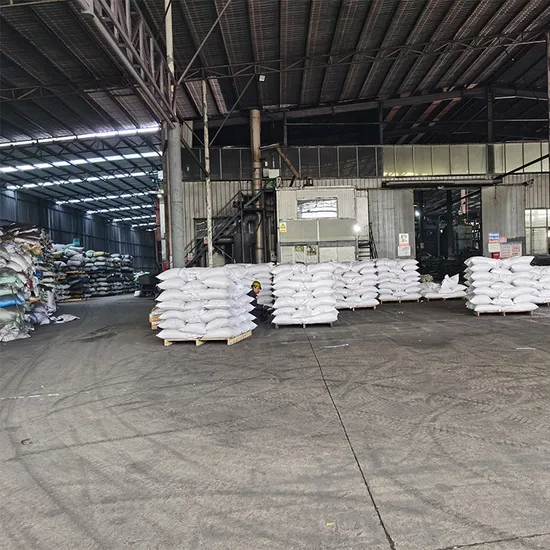
| Production Capacity | 1000 Ton/Month |
| Package Size | 50.00cm * 35.00cm * 70.00cm |
| Package Gross Weight | 1010.000kg |
Addressing Gold Recovery Challenges with High-Performance Coconut Shell Activated Carbon (CAS 64365-11-3)
In industrial water treatment and gold recovery processes, inconsistent adsorption efficiency and frequent breakthroughs due to low iodine value carbons have long plagued operators. We've witnessed countless production delays when substandard activated carbon fails to meet purification targets, especially in critical applications like precious metal recovery where precision directly impacts profitability.
A Reliable Solution for Industrial Adsorption Needs
Our Gold Recovery Coconut Shell Activated Carbon delivers consistent performance with iodine value exceeding 1100 mg/g, addressing the core pain points of adsorption instability and low capacity. Backed by over a decade of experience serving 50+ countries, we understand that industrial processes demand materials you can trust—whether for large-scale water treatment facilities or specialized gold recovery operations.
Industrial Applications and Use Cases
This Coconut Shell Activated Carbon excels in industrial water treatment systems, effectively removing contaminants through its macroporous structure and high specific surface area (900-1200 m²/g). Its applications extend to gas phase adsorption and industrial decolorization, providing versatile solutions for manufacturing plants and research laboratories requiring reliable adsorption media.
Key Specifications Driving Performance
The iodine value (>1100 mg/g) directly correlates with adsorption capacity, ensuring efficient removal of organic compounds and heavy metals in water treatment processes. The macroporous structure enhances mass transfer kinetics, critical for continuous industrial operations where flow rates cannot be compromised. With ash content below 3%, this activated carbon minimizes residual contamination, a vital factor for downstream processes in sensitive manufacturing environments.
Benefits of Using High-Quality Activated Carbon
Choosing our High Iodine Value Water Treatment Carbon reduces operational costs by extending media lifespan and reducing replacement frequency. Unlike low-grade alternatives that risk process contamination, our严格 quality control ensures batch-to-batch consistency, a necessity for meeting stringent industrial standards. This reliability translates to stable production output and minimized downtime—essential for maintaining competitive advantage in today's manufacturing landscape.
Our Commitment to Quality and Reliability
Every batch of our activated carbon undergoes comprehensive testing, including iodine adsorption, ash content, and specific surface area analysis. We maintain a production capacity of 1000 tons/month, ensuring stable supply even for large-scale industrial requirements. Each shipment includes a detailed Certificate of Analysis, providing transparent documentation of key parameters for your quality control records. Our 10+ years in the industry have established a track record of resolving complex adsorption challenges for diverse industrial clients.
Certificate of Analysis & Documentation
All orders include a batch-specific Certificate of Analysis (COA) detailing iodine value, ash content, and other critical specifications. Material Safety Data Sheets (MSDS) are provided to ensure safe handling and compliance with industrial safety protocols. For specialized requirements, additional documentation on production methods and quality control procedures is available upon request.
Storage & Handling
- Store in a cool, dry, well-ventilated area, sealed and away from direct sunlight.
- Keep away from incompatible materials, food and feed sources.
- Handle with appropriate personal protective equipment (gloves, goggles, lab coat).
- Follow good industrial hygiene practices. Avoid inhalation and skin contact.
- Refer to MSDS for detailed storage and safety instructions.
Streamlined Ordering Process
Initiate your order by contacting our technical team to confirm specifications and application requirements. Samples are available for performance testing in your specific process conditions. Once approved, our supply chain ensures timely delivery with flexible packaging options (25kg or 500kg) to suit your operational needs. All shipments include the documentation required for industrial quality control and regulatory compliance.
Frequently Asked Questions
Q: What is the shelf life of this activated carbon?
A: When stored properly in sealed packaging under recommended conditions, the product maintains its adsorption properties for 24 months from the date of manufacture.
Q: Can this product be used for potable water treatment?
A: This activated carbon is intended for industrial and laboratory research use only. It is not certified for direct use in potable water systems or applications involving human consumption.
Q: What documentation is provided with each shipment?
A: Every order includes a Certificate of Analysis (COA) and Material Safety Data Sheet (MSDS). Additional technical documentation is available upon request.
Q: Is custom packaging available?
A: Standard packaging options are 25kg and 500kg. For specific requirements, please contact our sales team to discuss custom packaging possibilities and minimum order quantities.
Q: How is the iodine value verified for each batch?
A: Iodine value is determined using standard test methods (ASTM D4607) for each production batch, with results documented in the Certificate of Analysis.