

For industrial manufacturing and laboratory research purposes only.
Product Specifications
| Parameter | Value |
|---|---|
| Model NO. | Cyanuric Acid |
| EINECS | 201-782-8 |
| Environmental Protection | Yes |
| Color | White |
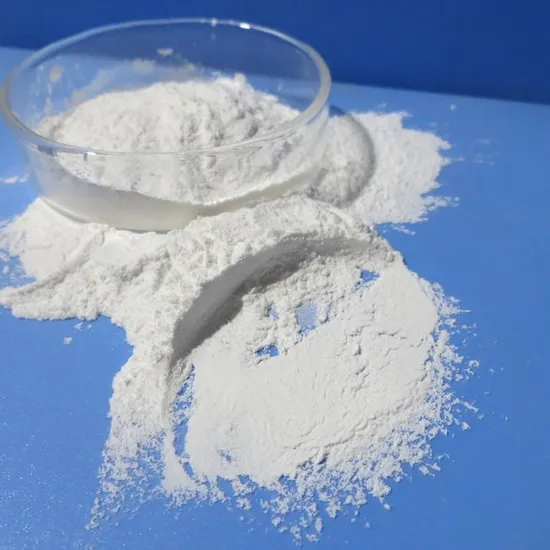
| Appearance | Powder |
| Type | Sewage Treatment Chemicals |
| Transport Package | 25kg/Drum |
| Specification | 25kg bucket, 50kg bucket |
| Trademark | BuyChemCn |
| Origin | China |
| Production Capacity | 200tons/Month |
Cyanuric Acid (EINECS 201-782-8): Addressing Pool Wastewater Treatment Challenges
For over a decade in the chemical supply industry, we’ve witnessed the critical impact of inconsistent cyanuric acid quality on pool wastewater treatment systems—unstable concentrations leading to inefficient chlorine stabilization, batch-to-batch variations disrupting treatment processes, and unreliable supply chains causing costly project delays. These challenges aren’t just inconvenient; they directly compromise the efficiency of industrial water treatment operations.
A Stable Solution for Pool Wastewater Treatment
Our Cyanuric Acid addresses these pain points with a focus on reliability and performance. As a key Pool Stabilizer, it ensures consistent chlorine protection in industrial pool wastewater treatment setups, supported by our 10+ years of experience serving 50+ countries. With a monthly production capacity of 200 tons, we guarantee steady supply to meet the demands of large-scale manufacturing and research facilities across the Asia-Pacific region.
Industrial Applications of Cyanuric Acid
This White Powder Stabilizer is primarily used in industrial pool wastewater treatment processes, where it acts as a stabilizer to maintain chlorine effectiveness. Its role in sewage treatment chemicals ensures that industrial water systems operate efficiently, adhering to environmental protection standards. It is also utilized in laboratory research settings to study water treatment mechanisms, providing a consistent reagent for experimental reproducibility.
The Importance of Key Product Specifications
The white powder appearance of our Cyanuric Acid is critical for visual purity assessment, allowing operators to quickly identify potential contamination. The 25kg drum packaging ensures secure transport and easy handling in industrial environments, reducing the risk of spillage and contamination. Environmental protection compliance confirms that the product meets regulatory standards for industrial wastewater treatment, minimizing ecological impact. Additionally, the consistent production capacity of 200 tons/month ensures that large-scale operations can rely on uninterrupted supply, avoiding costly downtime.
Benefits of Choosing Our Cyanuric Acid
Opting for our Cyanuric Acid 25kg Drum means investing in a product that delivers predictable performance, reducing the risk of treatment inefficiencies caused by substandard materials. Unlike low-quality alternatives that may introduce impurities, our strict quality control processes ensure each batch meets environmental protection standards, safeguarding your operations against regulatory issues. The stability of supply also translates to long-term cost savings, as consistent availability eliminates the need for emergency purchases at inflated prices.
Our Commitment to Quality and Reliability
We prioritize trust through rigorous quality control measures. Each batch of Cyanuric Acid undergoes comprehensive testing to verify purity and performance, with detailed Certificate of Analysis (COA) provided for every shipment. Our production facilities operate under strict quality management systems, ensuring batch-to-batch consistency. In the rare event of non-conformity, we offer无条件 replacement to uphold our commitment to customer satisfaction. With a dedicated technical support team, we provide expert guidance on product application, ensuring optimal results for your specific industrial or research needs.
Certificate of Analysis & Documentation
Every order is accompanied by a batch-specific COA and Material Safety Data Sheet (MSDS), providing detailed information on product specifications, safety handling, and storage requirements. For research or regulatory purposes, specific batch test data can be requested using your order number, and complete analytical reports are available upon demand to support your quality assurance processes.
Storage & Handling
- Store in a cool, dry, well-ventilated area, sealed and away from direct sunlight.
- Keep away from incompatible materials, food and feed sources.
- Handle with appropriate personal protective equipment (gloves, goggles, lab coat).
- Follow good industrial hygiene practices. Avoid inhalation and skin contact.
- Refer to MSDS for detailed storage and safety instructions.
Streamlined Order Process for Your Convenience
To place an order, simply contact our sales team with your required quantity and specifications. We can arrange for sample evaluation to ensure compatibility with your processes, followed by bulk ordering with flexible delivery options. All shipments include the necessary documentation for customs clearance and regulatory compliance, ensuring a smooth procurement experience for industrial and laboratory clients.
Frequently Asked Questions
Q: What is the shelf life of Cyanuric Acid?
A: When stored properly in a sealed container under recommended conditions, the product typically maintains stability for 24 months from the date of manufacture.
Q: Can this product be used for food or pharmaceutical applications?
A: No, this product is strictly for industrial and laboratory research use only, and not intended for direct human consumption, therapeutic, or household use.
Q: What documentation is provided with each shipment?
A: Each order includes a Certificate of Analysis (COA) and Material Safety Data Sheet (MSDS) specific to the batch.
Q: Are custom packaging options available?
A: Standard packaging is 25kg/drum, with 50kg bucket options also available. For large-volume orders, custom packaging may be arranged upon request.
Q: How is product purity verified?
A: Purity is verified through comprehensive batch testing, with results detailed in the COA. Specific analytical methods can be provided upon request.