


For industrial manufacturing and laboratory research purposes only.
Product Specifications
| Parameter | Value |
|---|---|
| Model NO. | Polyacrylamide |
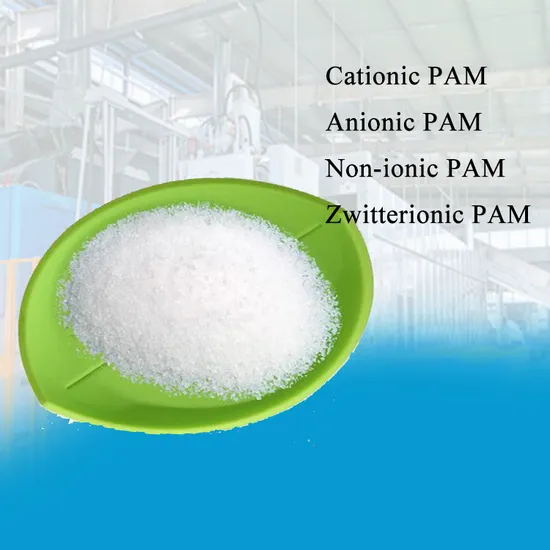
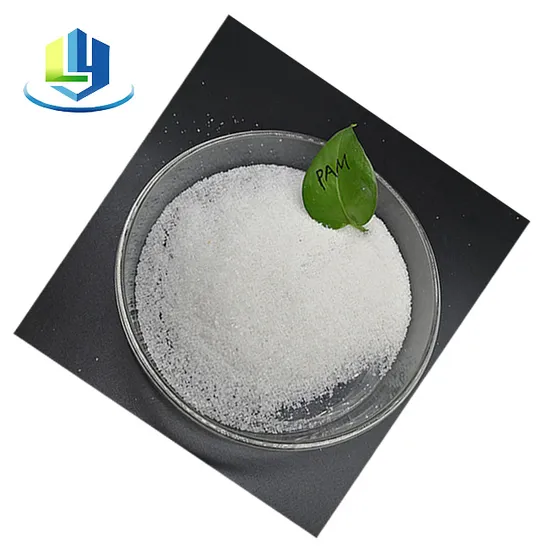
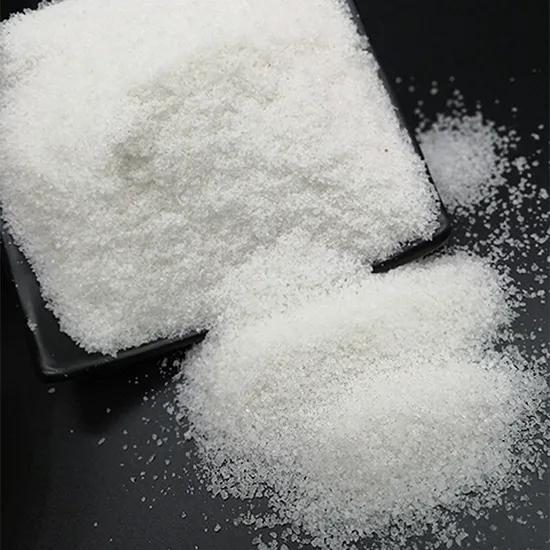
| Appearance | Granules |
| Usage | Oil Drilling Auxiliary Agent, Water Treatment Chemicals, Rubber Auxiliary Agents, Plastic Auxiliary Agents, Coating Auxiliary Agents, Textile Auxiliary Agents, Paper Chemicals, Surfactants, Leather Auxiliary Agents |
| Color | White |
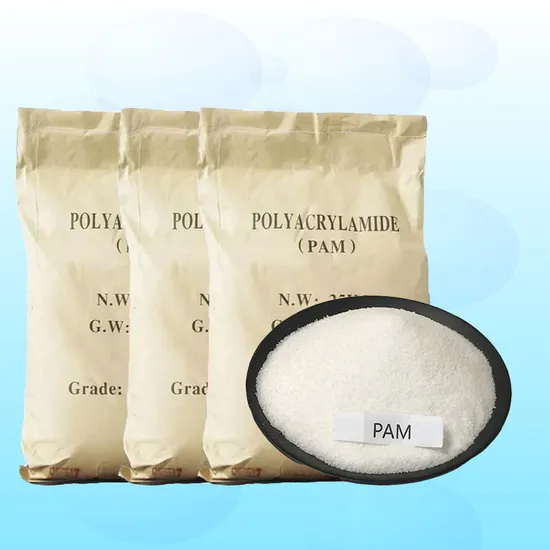
| Transport Package | Kraft Bag or PP Bag |
| Specification | 25kg/bag |
| Origin | Henan China |
| HS Code | 39069010 |
| Production Capacity | 10000tons /Year |
Polyacrylamide for Incense Making and Water Treatment: Addressing Purity and Consistency Challenges (HS Code: 39069010)
For over a decade in the chemical supply industry, we've witnessed the critical impact of raw material quality on production outcomes. Incense manufacturers often struggle with uneven burning caused by inconsistent polymer particle size, while water treatment plants face reduced flocculation efficiency due to purity fluctuations. These issues not only disrupt production schedules but also increase operational costs—challenges we've helped hundreds of industrial clients overcome through precision-engineered chemical solutions.
A Stable and Reliable Polyacrylamide Supply Solution
Our Polyacrylamide for Incense Making and Water Treatment directly addresses these pain points with its consistent white granule formulation and strict quality control. As a supplier with 10+ years of experience serving 50+ countries, we ensure each 25kg/bag of Polyacrylamide meets the exact specifications required for both incense production binders and water treatment flocculants, eliminating the guesswork from your supply chain.
Typical Industrial Applications
This versatile chemical finds primary use as a binding agent in incense stick manufacturing, where its granular structure ensures uniform mixing with aromatic compounds and stable combustion properties. In water treatment processes, it functions as an efficient flocculant, aiding in the separation of suspended particles. Additional industrial applications include oil drilling auxiliary operations, rubber and plastic production, and textile processing—demonstrating its adaptability across multiple manufacturing sectors.
Why Key Specifications Matter
The white granule appearance of our Polyacrylamide serves as a visual indicator of purity, with color consistency directly correlating to reduced impurities that could affect incense aroma or water treatment efficacy. The 25kg/bag packaging is engineered to maintain product integrity during transport and storage, preventing moisture absorption that would compromise performance. Our production capacity of 10,000 tons/year ensures batch-to-batch consistency, a critical factor for large-scale manufacturers requiring uniform product performance across production runs.
What You Gain With Our Polyacrylamide
Choosing our Water Treatment Chemicals means investing in production reliability. Inferior polyacrylamide can lead to incense breakage during manufacturing or incomplete particle separation in water treatment—costly issues that impact both product quality and process efficiency. Our ISO 9001-compliant manufacturing process ensures each batch meets international industrial standards, providing long-term supply stability that helps optimize your inventory management and reduce operational disruptions.
Why You Can Trust Our Chemical Supply
Our quality assurance protocol includes comprehensive testing for particle size distribution, solubility, and purity using advanced analytical techniques. Every shipment includes a Certificate of Analysis (COA) detailing batch-specific test results. We stand behind our product with a no-questions-asked return policy for non-conforming shipments. Our dedicated technical support team provides application guidance, while our substantial production capacity ensures we can meet both regular orders and unexpected demand surges without compromising lead times.
Certificate of Analysis & Documentation
Each 25kg/bag of Polyacrylamide is accompanied by a detailed COA and Material Safety Data Sheet (MSDS). For critical applications requiring additional verification, specific batch test records can be requested using your order number. Comprehensive analytical documentation is available to support your quality control processes and regulatory compliance requirements.
Storage & Handling
- Store in a cool, dry, well-ventilated area, sealed and away from direct sunlight.
- Keep away from incompatible materials, food and feed sources.
- Handle with appropriate personal protective equipment (gloves, goggles, lab coat).
- Follow good industrial hygiene practices. Avoid inhalation and skin contact.
- Refer to MSDS for detailed storage and safety instructions.
How to Place Your Order
Initiate your order by submitting an inquiry through our contact channels, specifying your required quantity and any application-specific requirements. We recommend requesting a sample for compatibility testing before full-scale ordering. Once specifications are confirmed, our logistics team will arrange secure delivery with all necessary documentation, ensuring a streamlined transition from order to production integration.
Frequently Asked Questions
Q: What is the recommended shelf life for this Polyacrylamide product?
A: When stored properly in sealed original packaging under recommended conditions, the product maintains stability for 24 months from the manufacturing date.
Q: Can this Polyacrylamide be used for food or pharmaceutical applications?
A: No, this product is supplied exclusively FOR INDUSTRIAL AND LABORATORY RESEARCH USE ONLY. It is not intended for direct human consumption, therapeutic, or household use.
Q: What documentation is provided with each shipment?
A: Every order includes a Certificate of Analysis (COA) and Material Safety Data Sheet (MSDS) specific to the batch shipped.
Q: Is custom packaging available besides the standard 25kg/bag?
A: Please contact our sales team to discuss custom packaging options for large-volume orders.
Q: How is product purity verified?
A: Purity is verified through multiple analytical tests including solubility testing, particle size analysis, and impurity screening as detailed in the batch-specific COA.