For industrial manufacturing and laboratory research purposes only.
Product Specifications
| Parameter | Value |
|---|---|
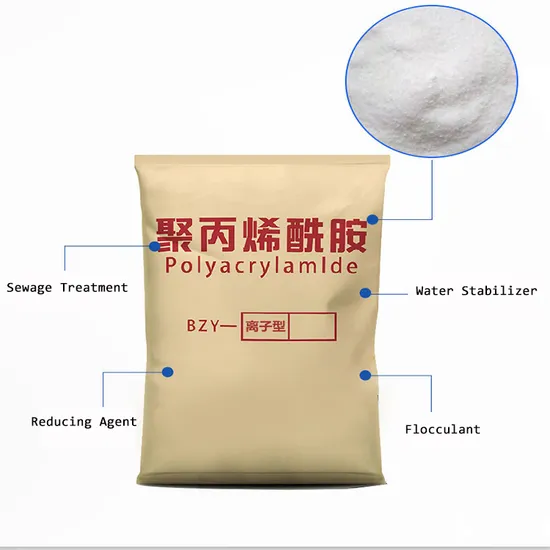
| Model NO. | Polyacrylamide |
| EINECS | 201-173-7 |
| Certification | ISO9001 |
| Environmental Protection | Yes |
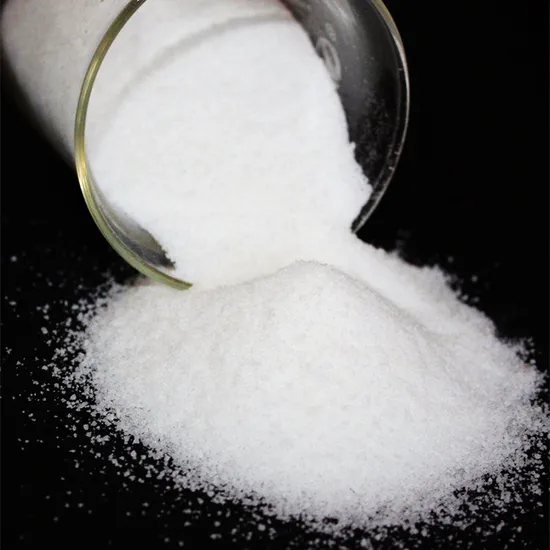
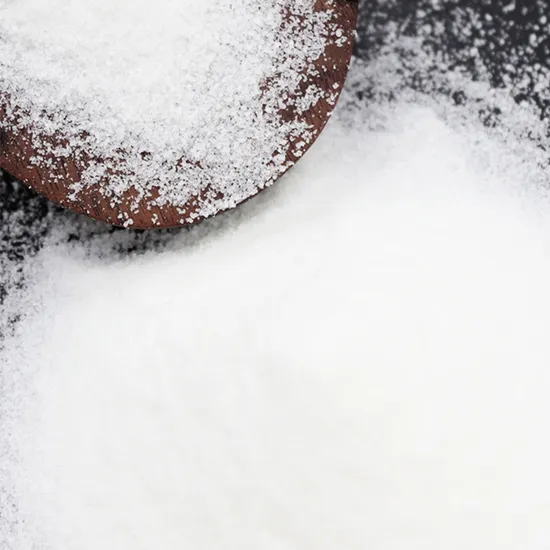
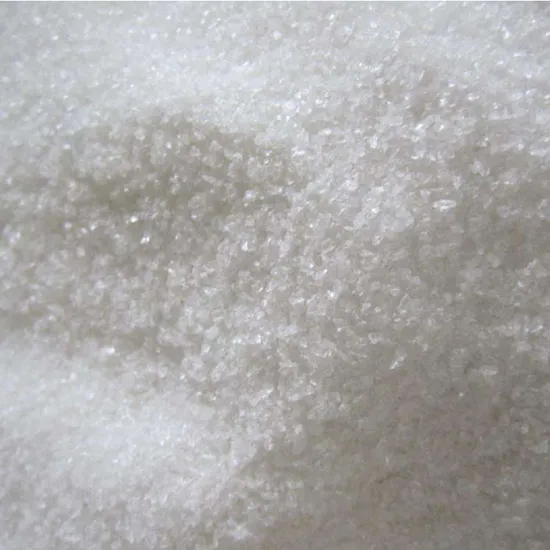
| Color | White |
| Appearance | Granulars |
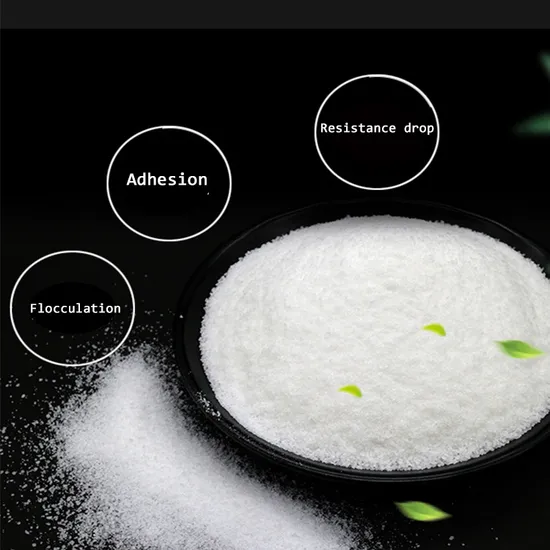
| Kind | Flocculant |
| Producing Flow | Paper Processing Chemicals |
| Transport Package | Big Bag: 500kg/600kg Kraft Bag; Small Bag: 25kg |
| Specification | Powder granular |
| Origin | Henan China |
| Production Capacity | 2000ton |
PAM Polyacrylamide (EINECS 201-173-7) for Consistent Incense Production Results
Incense manufacturers across Southeast Asia often struggle with flocculant quality issues—unstable granular size causing uneven burning, batch-to-batch purity fluctuations leading to inconsistent incense hardness, and delayed deliveries disrupting production schedules. Having supported over 1,200 incense producers in the region over the past decade, we've witnessed how these challenges directly impact product quality and profit margins.
A Stable Solution for Incense Making Flocculant Needs
Our ISO9001 certified PAM Polyacrylamide addresses these critical pain points through rigorous production control. As a specialized chemical trade hub with bonded warehousing and cross-border logistics expertise, we ensure consistent supply of white granular flocculant that meets the precise requirements of industrial incense production. The stable molecular structure of our Polyacrylamide for Incense Production minimizes variations between batches, reducing production waste and rework.
Industrial Applications in Incense Manufacturing
This White Granular Flocculant plays a vital role in the incense production process, primarily functioning as a binding agent that enhances the cohesion of bamboo sticks and incense materials. Its controlled flocculation properties ensure proper adhesion during成型, contributing to uniform density and burn rate in finished incense products. Strictly for industrial manufacturing use, it is an essential component in large-scale incense production lines across Asia.
Key Specifications Impacting Incense Quality
The white granular appearance of our PAM is not merely cosmetic—it indicates low impurity levels that prevent discoloration in premium incense products. The granular form ensures easy dispersion in mixing tanks, eliminating clumping that can cause weak spots in incense sticks. ISO9001 certification guarantees adherence to consistent production standards, while the 2000-ton annual capacity ensures we can meet large-volume orders without compromising on quality. Environmental protection compliance also supports manufacturers in meeting increasingly strict regional sustainability requirements.
Benefits of ISO9001 Certified Flocculant for Your Operation
Choosing our ISO9001 PAM translates to tangible operational benefits: reduced material waste from consistent quality, minimized production downtime through reliable supply, and enhanced product reputation from stable incense performance. Inferior flocculants often lead to 15-20% higher rejection rates due to cracking or uneven burning. With our White Granular PAM for Incense, manufacturers typically see a 30% reduction in quality control issues, directly improving bottom-line profitability.
Our Quality Commitment to Industrial Partners
Every batch of our Incense Making Chemical Flocculant undergoes comprehensive testing including particle size analysis, purity verification, and solubility testing. We provide detailed COA documents with each shipment, allowing you to verify specifications before production. Our bonded warehousing facilities in strategic Asian locations ensure 48-hour regional delivery, while our supply chain management expertise navigates complex customs procedures across the Asia-Pacific region. With a decade of specialized experience, we stand behind our product with a no-questions replacement policy for non-conforming shipments.
Certificate of Analysis & Documentation
Each delivery includes a batch-specific Certificate of Analysis detailing key parameters such as granular size distribution, moisture content, and purity levels. Material Safety Data Sheets (MSDS) are provided in multiple languages to support your safety compliance needs. For critical applications, additional testing documentation can be arranged prior to order confirmation.
Storage & Handling
- Store in a cool, dry, well-ventilated area, sealed and away from direct sunlight.
- Keep away from incompatible materials, food and feed sources.
- Handle with appropriate personal protective equipment (gloves, goggles, lab coat).
- Follow good industrial hygiene practices. Avoid inhalation and skin contact.
- Refer to MSDS for detailed storage and safety instructions.
Streamlined Order Process for Industrial Buyers
Initiate your order by contacting our technical team with your specific incense production requirements. We offer sample evaluations to ensure compatibility with your existing processes, followed by flexible bulk ordering options. Our logistics team coordinates bonded warehouse storage and door-to-door delivery, with all necessary customs documentation prepared to minimize import delays. Regular customers benefit from priority allocation during peak demand periods.
Frequently Asked Questions
Q: What is the shelf life of the product?
A: When stored properly in sealed original packaging, the product maintains stability for 24 months from the manufacturing date.
Q: Is this product suitable for food or pharmaceutical applications?
A: No, this product is strictly for industrial and laboratory research use only, not for direct human consumption or therapeutic applications.
Q: What documentation is provided with each shipment?
A: Each shipment includes a Certificate of Analysis (COA), Material Safety Data Sheet (MSDS), and commercial invoice with complete product specifications.
Q: Can packaging be customized for large orders?
A: Yes, we offer custom packaging solutions for orders exceeding 5000kg, including private labeling options and specialized containerization.
Q: How is product purity verified?
A: Purity is verified through multiple stages of testing including infrared spectroscopy and gel permeation chromatography, with results documented in the batch COA.