

For industrial manufacturing and laboratory research purposes only.
Product Specifications
| Parameter | Value |
|---|---|
| EINECS | 201-173-7 |
| Acid-Base Property | Neutral Surface Disposal Agent |
| Certification | ISO |
| Environmental Protection | Yes |
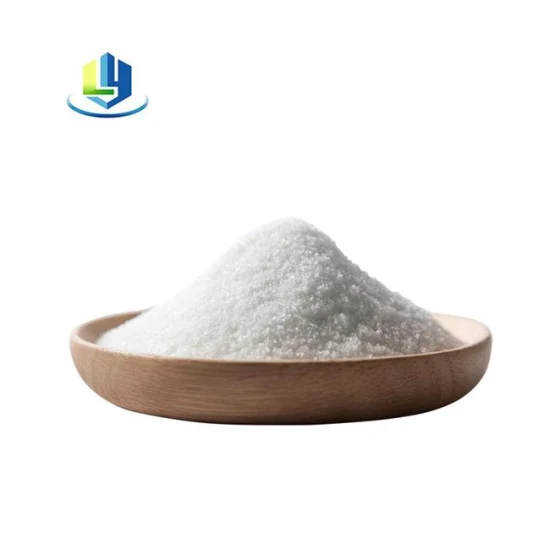
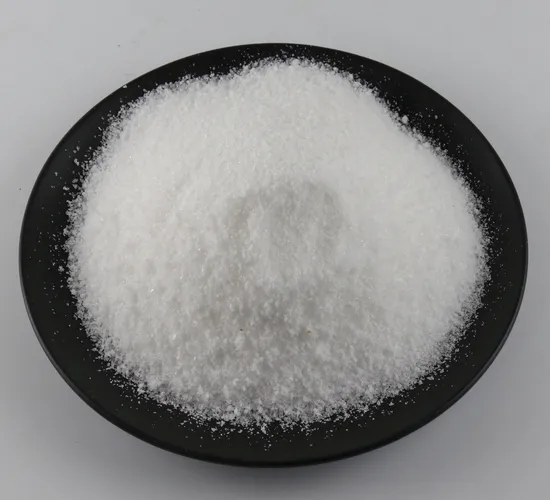
| Color | White |
| Appearance | Powder |
| Type | Sewage Treatment Chemicals |
| Delivery Time | 7-15days |
| Logo Customization | Support |
| Ionic | Anionic Cationic Nonionic |
| Purity | 99% |
| MOQ | 1ton |
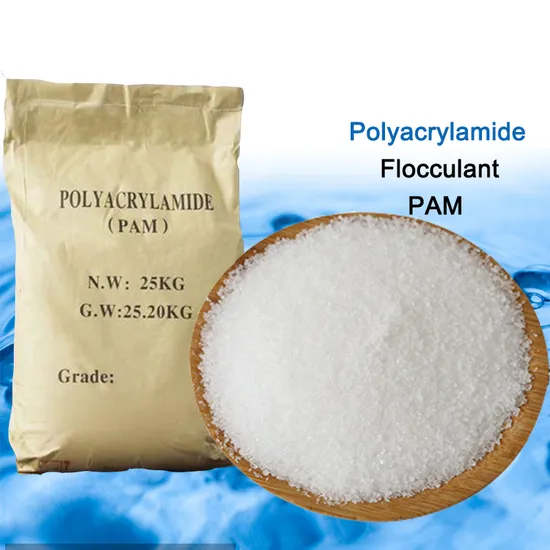
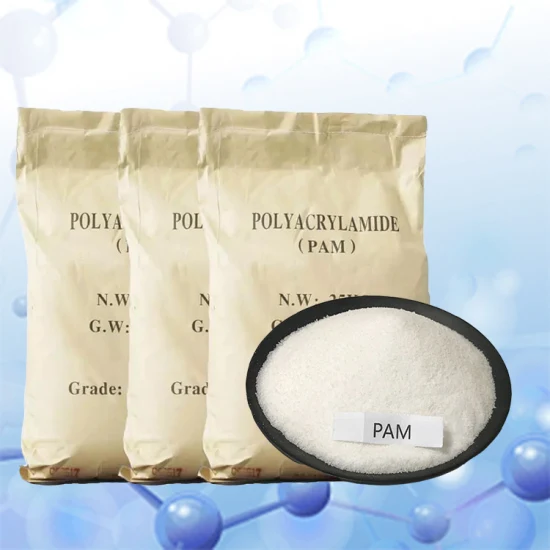
| Transport Package | 25kg/Bag, 1ton/Bag |
| Specification | 25kg/bag, 1ton/bag |
| Trademark | BuyChemCn |
| Origin | Henan, China |
| HS Code | 3906901000 |
| Production Capacity | 400ton/Month |
Addressing Sewage Treatment Inefficiencies with High Molecular Weight Anionic Polyacrylamide (EINECS 201-173-7)
Industrial wastewater treatment facilities and research laboratories often face critical challenges: inconsistent flocculation efficiency due to purity fluctuations, batch-to-batch variations that disrupt experimental reproducibility, and supply chain delays that halt treatment processes. Over our 10+ years in chemical manufacturing, we've witnessed how substandard Anionic Polyacrylamide (PAM) can compromise both industrial water treatment outcomes and lab research validity.
A Stable Solution for Reliable Sewage Treatment Performance
Our High Molecular Weight Anionic Polyacrylamide addresses these pain points through industry-leading consistency and purity. As a core product in efficient sewage treatment chemicals, it delivers predictable flocculation performance critical for industrial wastewater processing and research applications. Backed by a monthly production capacity of 400 tons and ISO certification, we ensure stable supply even for large-scale industrial operations across the Asia-Pacific region.
Industrial Applications in Wastewater Treatment
Anionic Polyacrylamide for sewage treatment serves as a high-performance flocculant in industrial wastewater processing, facilitating solid-liquid separation in municipal sewage treatment plants, textile dyeing facilities, and chemical manufacturing operations. Its application is strictly limited to industrial and laboratory research contexts, providing essential support for water purification processes in manufacturing environments.
Key Specifications Impacting Treatment Efficacy
The 99% purity of our Anionic PAM minimizes impurity interference, ensuring optimal flocculation efficiency and reducing sludge volume in treatment processes. Its high molecular weight enhances particle binding capacity, critical for handling complex industrial wastewater compositions. The white powder form ensures easy dissolution and consistent mixing, while the neutral surface property makes it compatible with various treatment system chemistries. These specifications collectively contribute to reliable treatment outcomes and research reproducibility.
Benefits of Using Our High Purity Anionic PAM
Choosing our High Purity PAM reduces operational risks associated with inferior products, such as inconsistent treatment results and equipment fouling. The ISO-certified production process guarantees batch-to-batch consistency, eliminating costly process adjustments. Environmental protection compliance ensures alignment with global industrial standards, while the stable supply chain prevents production downtime. Over the long term, these benefits translate to lower operational costs and enhanced treatment efficiency for industrial users.
Quality Assurance You Can Verify
Our quality control protocol includes comprehensive testing for purity, molecular weight distribution, and dissolution rate using advanced analytical methods. Each batch is accompanied by a Certificate of Analysis (COA) detailing key performance parameters. We maintain full traceability of raw materials and production processes, with technical support available to address specific application requirements. Our 400-ton monthly production capacity ensures consistent availability, even for large-scale industrial orders.
Certificate of Analysis & Documentation
Every shipment includes a batch-specific COA and MSDS, providing detailed safety and handling information. For research institutions requiring additional verification, complete analytical data can be requested by referencing the batch number. This documentation supports compliance with industrial safety standards and research reproducibility requirements.
Storage & Handling
- Store in a cool, dry, well-ventilated area, sealed and away from direct sunlight.
- Keep away from incompatible materials, food and feed sources.
- Handle with appropriate personal protective equipment (gloves, goggles, lab coat).
- Follow good industrial hygiene practices. Avoid inhalation and skin contact.
- Refer to MSDS for detailed storage and safety instructions.
Streamlined Ordering Process
Begin by submitting an inquiry with your specific requirements, including quantity and application details. We provide a comprehensive quotation covering product, packaging, and logistics. Sample evaluation is available for new customers, followed by batch ordering with flexible delivery options. All industrial orders include full documentation and technical support to ensure seamless integration into your processes.
Frequently Asked Questions
Q: What is the shelf life of this product?
A: When stored properly in sealed packaging under recommended conditions, the product maintains stability for 24 months from the production date.
Q: Can this product be used for food or pharmaceutical applications?
A: No, this product is FOR INDUSTRIAL AND LABORATORY RESEARCH USE ONLY and not suitable for direct human consumption or medical applications.
Q: What documentation is provided with each shipment?
A: Each shipment includes a Certificate of Analysis (COA) specific to the batch and a Material Safety Data Sheet (MSDS).
Q: Is custom packaging available?
A: Yes, logo customization and special packaging requirements can be accommodated for orders meeting minimum quantity requirements.
Q: What is the minimum order quantity?
A: The minimum order quantity is 1 ton, with larger quantities available to meet industrial production needs.