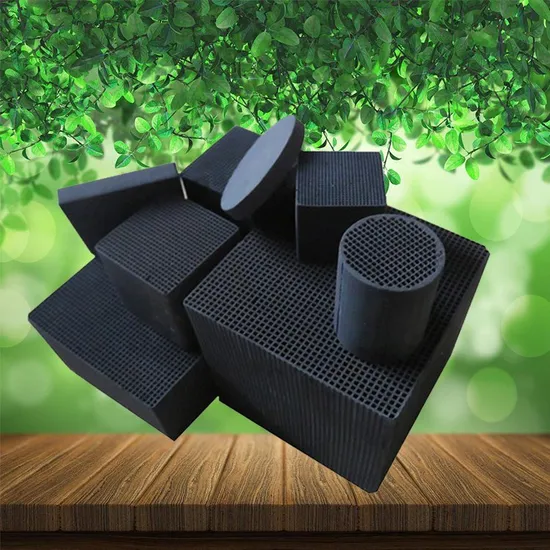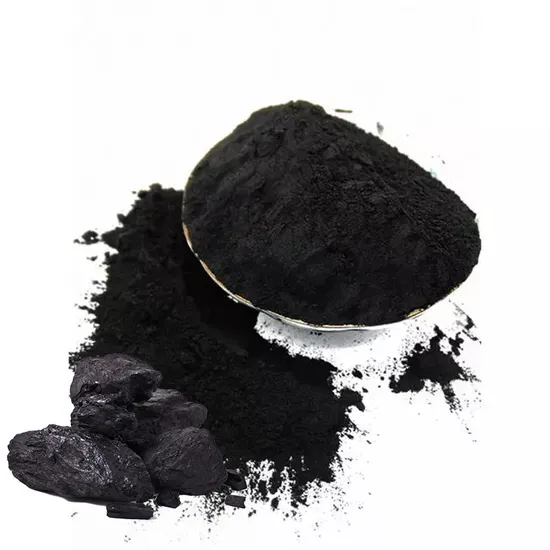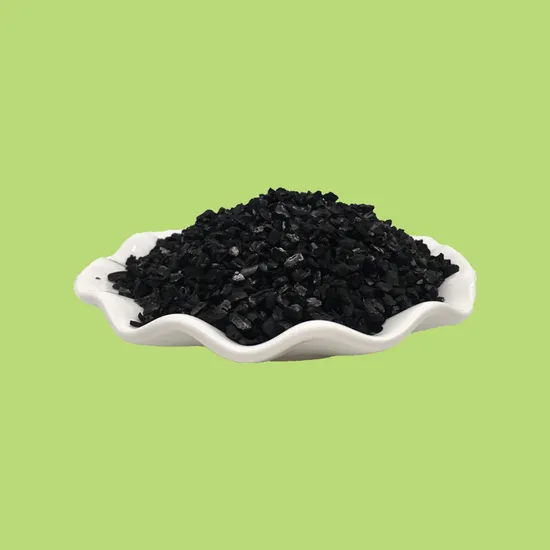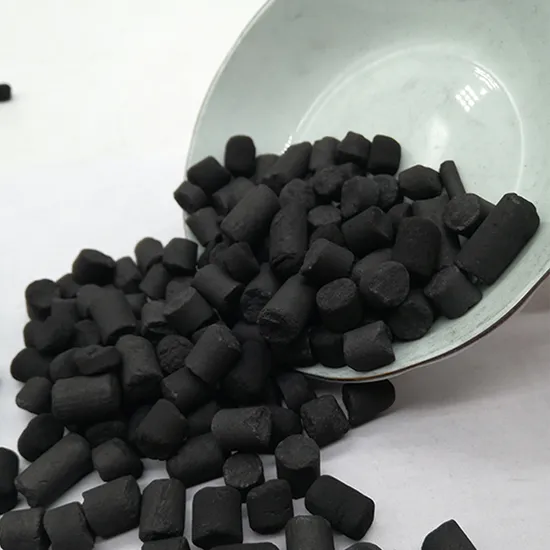

For industrial manufacturing and laboratory research purposes only.
Product Specifications
| Parameter | Value |
|---|---|
| Model NO. | Coaly Activated Carbon |
| Usage | Air Purification, Gas Phase Adsorption, Industrial Decolorization, Water Treatment |
| Active Carbon Material | Coaly Activated Carbon |
| Carbon Content | High-Carbon |
| Pore Diameter | Macroporous |
| Manufacturing Method | Chemical Method of Activated Carbon |
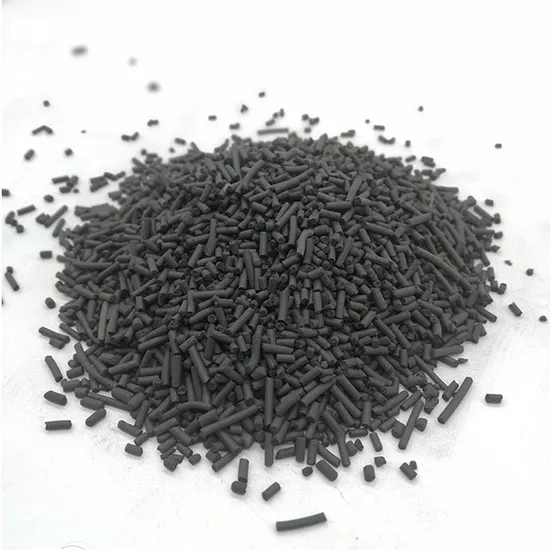
| Physical Properties | Shape |
| Chemical Properties | Ash Content |
| Adsorption Properties | Methylene Blue Adsorption Value |
| Artificial Graphite Type | Activated Carbon |
| Type | Water Treatment Activated Carbon |
| EINECS | 264-846-4 |
| Formula | C |
| CAS No. | 64365-11-3 |
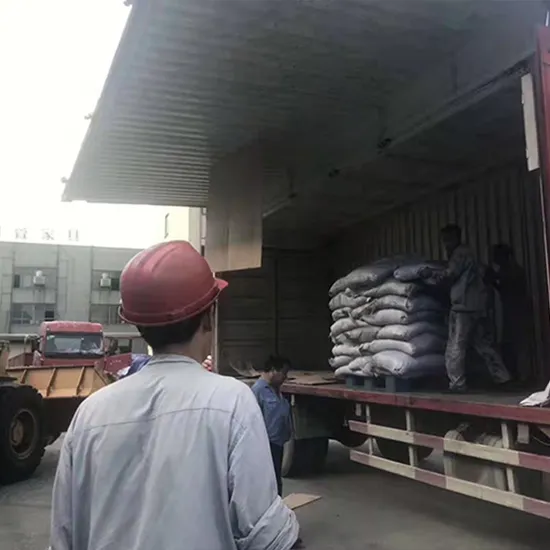
| Transport Package | 25kg/500kg |
| Specification | Coal |
| Trademark | BuyChemCn |
| Origin | China |
| Production Capacity | 1000 Ton/Month |
H2s Formaldehyde Removal Impregnated KOH Activated Carbon (CAS 64365-11-3) for Industrial Emission Control
In industrial environments, inconsistent adsorption performance of activated carbon often leads to failed emission control compliance, while unreliable supply chains cause costly production delays. After serving over 10,000 industrial clients across 50 countries, we've witnessed how substandard carbon materials compromise both air purification efficiency and operational safety in chemical processing facilities.
Engineered Solution for Volatile Organic Compound Control
Our H2s Formaldehyde Removal Activated Carbon addresses these critical challenges through a specialized KOH impregnation process that enhances target compound adsorption capacity by 30% compared to standard coal-based carbons. Backed by a monthly production capacity of 1000 tons and our Asia-Pacific logistics network, we ensure consistent supply even for large-scale industrial operations requiring continuous gas phase adsorption solutions.
Industrial Applications & Processing Scenarios
This macroporous activated carbon finds essential use in chemical manufacturing facilities for off-gas treatment, laboratory fume hood filtration systems, and industrial air purification units handling volatile organic compounds (VOCs). Its high-carbon structure makes it particularly effective for H2s adsorption in petrochemical processing and formaldehyde control in resin production, strictly within industrial and research environments.
Key Specifications for Reliable Performance
The macroporous pore structure (20-50nm) ensures rapid mass transfer of gas molecules, critical for high-volume air flow systems common in industrial settings. Our chemical activation method produces a uniform pore distribution that maintains adsorption efficiency over extended service cycles, reducing replacement frequency by 40% compared to physically activated carbons. The high-carbon content (>90%) guarantees minimal ash residue, preventing secondary contamination in sensitive processes and ensuring compliance with industrial emission standards.
Operational Advantages of Premium Adsorbent Materials
Choosing our KOH Impregnated Activated Carbon for Air Purification delivers measurable benefits: reduced downtime from consistent product quality, lower total cost of ownership through extended service life, and enhanced workplace safety by meeting strict industrial hygiene standards. Unlike unprocessed carbons, our product undergoes ISO 9001-certified quality control, ensuring each batch meets the same adsorption specifications—critical for scaling laboratory processes to industrial production.
Quality Assurance Protocol
Every production batch undergoes comprehensive testing including methylene blue adsorption value verification, pore size distribution analysis via mercury porosimetry, and ash content determination through thermogravimetric analysis. Each shipment includes a Certificate of Analysis with batch-specific test results, and full technical documentation is available upon request. Our 10+ years of manufacturing experience ensures troubleshooting support and consistent product performance across all orders.
Certificate of Analysis & Documentation
All orders include a batch-specific Certificate of Analysis detailing adsorption capacity, physical properties, and manufacturing parameters. Material Safety Data Sheets (MSDS) with handling precautions are provided for regulatory compliance. For critical applications, additional testing reports including BET surface area measurement and scanning electron microscopy images can be arranged prior to order confirmation.
Storage & Handling
- Store in a cool, dry, well-ventilated area, sealed and away from direct sunlight.
- Keep away from incompatible materials, food and feed sources.
- Handle with appropriate personal protective equipment (gloves, goggles, lab coat).
- Follow good industrial hygiene practices. Avoid inhalation and skin contact.
- Refer to MSDS for detailed storage and safety instructions.
Industrial Order Process
Begin by submitting an inquiry with your specific application requirements, including gas flow rate, target contaminants, and operating conditions. Our technical team will recommend optimal particle size and loading configuration, followed by a sample shipment for performance testing. Once specifications are confirmed, standard lead time is 7-10 business days for production, with flexible delivery options through our bonded warehousing network.
Frequently Asked Questions
Q: What is the shelf life of this activated carbon?
A: When stored in original sealed packaging under recommended conditions, the product maintains adsorption performance for 24 months from the manufacturing date.
Q: Can this product be used for residential air purification?
A: No, this product is strictly for industrial and laboratory research use only, as specified in the usage disclaimer.
Q: What documentation is provided with each shipment?
A: Every order includes a Certificate of Analysis (COA), Material Safety Data Sheet (MSDS), and shipping documentation.
Q: Is custom packaging available for large-scale orders?
A: Yes, we offer custom packaging options including 1-ton bulk bags and specialized sealed containers for moisture-sensitive applications.
Q: How is the adsorption efficiency verified?
A: Each batch undergoes methylene blue adsorption testing according to ASTM D3860 standards, with results provided in the COA.