

For industrial manufacturing and laboratory research purposes only.
Product Specifications
| Parameter | Value |
|---|---|
| Model NO. | Activated Carbon |
| Active Carbon Material | Wooden Activated Carbon |
| Carbon Content | High-Carbon |
| Pore Diameter | Macroporous |
| Manufacturing Method | Physical-Chemical Method of Activated Carbon |
| Type | Gas Adsorption |
| Physical Properties | Shape |
| Chemical Properties | Ash Content |
| Adsorption Properties | Methylene Blue Adsorption Value |
| CAS No. | 64365-11-3 |
| Formula | C |
| EINECS | 264-846-4 |
| Artificial Graphite Type | Activated Carbon |
| Transport Package | 25kg 500kg |
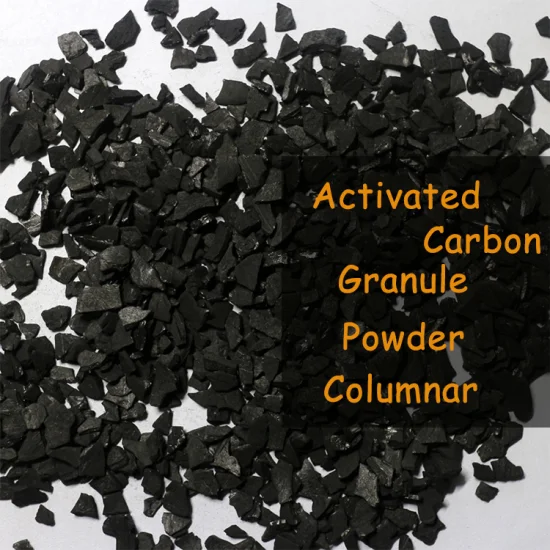
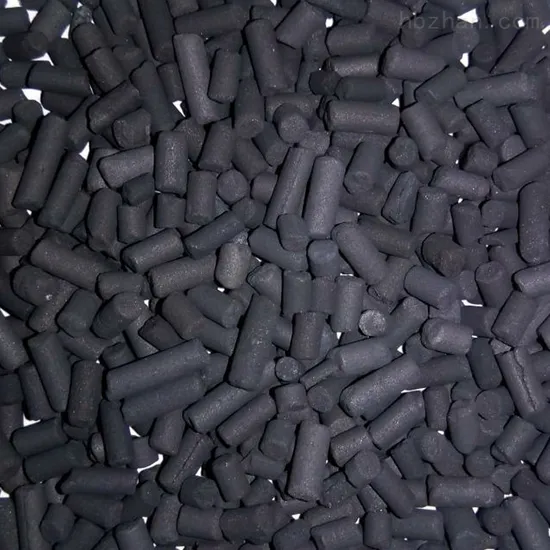
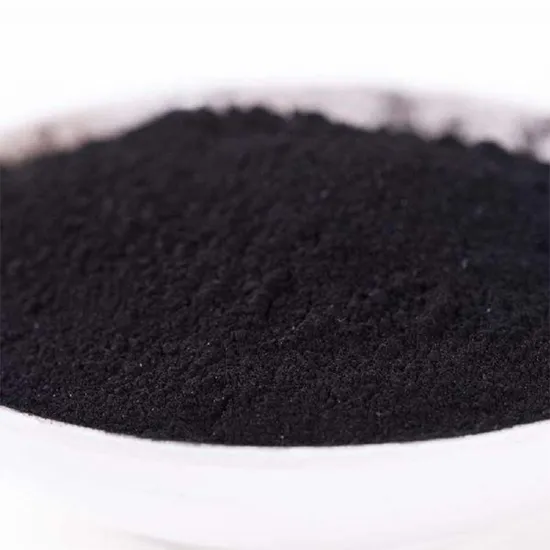
| Specification | Powder Granular |
| Origin | Henan China |
| Production Capacity | 100000tons /Year |
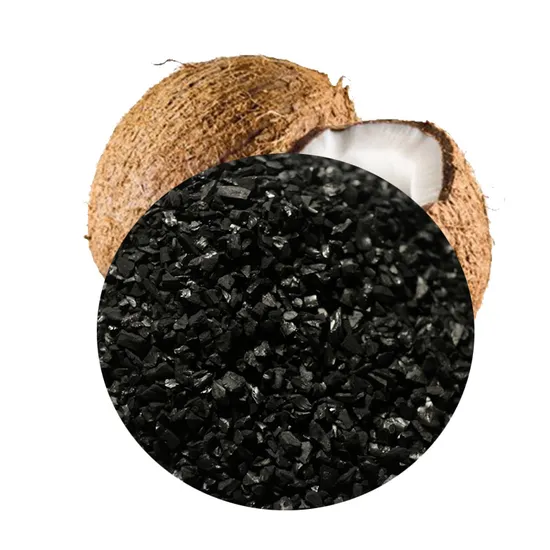
Addressing Gas Adsorption Challenges with Granular Coconut Shell Activated Charcoal Powder (CAS 64365-11-3)
For over a decade in industrial chemical supply, we've witnessed how inconsistent activated charcoal quality derails production—unstable adsorption capacity causing process inefficiencies, batch-to-batch variations invalidating research data, and delayed deliveries halting manufacturing lines. These issues aren't just inconveniences; they directly impact operational costs and scientific integrity.
A Stable Solution for Gas Adsorption Processes
Our Granular Coconut Shell Activated Charcoal Powder is engineered to resolve these critical pain points. As a 25kg Activated Charcoal Pack designed specifically for gas adsorption applications, it leverages our 10+ years of expertise in serving 50+ countries. With a production capacity of 100,000 tons/year, we ensure consistent supply even for large-scale industrial operations across the Asia-Pacific region.
Core Industrial Applications
This Coconut Shell Activated Charcoal finds essential use in industrial gas purification systems, laboratory air filtration setups, and manufacturing processes requiring volatile organic compound (VOC) removal. Its macroporous structure makes it particularly effective for treating industrial exhaust streams and maintaining controlled atmospheric conditions in research facilities, strictly within industrial and laboratory contexts.
Key Specifications That Drive Performance
The High-Carbon content of this activated charcoal directly influences its adsorption efficiency, ensuring maximum contaminant removal in gas treatment applications. Its macroporous pore diameter structure is critical for handling high-volume gas flows, while the physical-chemical manufacturing method guarantees the uniform particle size distribution necessary for consistent bed performance. The methylene blue adsorption value, a key indicator of adsorption capacity, ensures reliable performance across repeated use cycles in industrial settings.
Benefits of Reliable Activated Charcoal Sourcing
Choosing our Coconut Shell Charcoal for Gas Adsorption means avoiding the hidden costs of substandard materials—rejected batches, process downtime, and failed compliance tests. Our commitment to quality control aligns with international industrial standards, providing a predictable material that supports consistent production outcomes. The 25kg packing option balances handling efficiency with storage practicality, reducing waste and simplifying inventory management for both laboratory and manufacturing operations.
Our Quality Assurance Commitment
Every batch of our Granular Activated Charcoal undergoes rigorous testing, including adsorption capacity verification and particle size analysis. We provide comprehensive Certificates of Analysis (COA) with each shipment, detailing key parameters like ash content and methylene blue adsorption value. Our production facility maintains strict process controls to ensure batch consistency, and we offer technical support to help optimize your specific gas adsorption application. With a decade of serving industrial clients, we stand behind our product with responsive customer service and transparent quality documentation.
Certificate of Analysis & Documentation
Each delivery includes a batch-specific COA and Material Safety Data Sheet (MSDS) containing detailed safety and handling information. For critical applications, additional testing data can be requested, including specific adsorption performance metrics relevant to your gas treatment needs.
Storage & Handling
- Store in a cool, dry, well-ventilated area, sealed and away from direct sunlight.
- Keep away from incompatible materials, food and feed sources.
- Handle with appropriate personal protective equipment (gloves, goggles, lab coat).
- Follow good industrial hygiene practices. Avoid inhalation and skin contact.
- Refer to MSDS for detailed storage and safety instructions.
Streamlined Order Process for Industrial Buyers
Our industrial procurement process is designed for efficiency: submit an inquiry with your specific gas adsorption requirements, receive a tailored quotation including logistics options, request a sample for qualification testing, and place your order with flexible delivery scheduling. We provide all necessary import documentation to facilitate customs clearance, leveraging our experience in cross-border chemical trade.
Frequently Asked Questions
Q: What is the recommended shelf life for this activated charcoal?
A: When stored properly in sealed packaging, the product maintains its adsorption properties for 24 months from the manufacturing date.
Q: Can this product be used for food or pharmaceutical applications?
A: No, this product is strictly for industrial and laboratory research use only, not for direct human consumption or therapeutic applications.
Q: What documentation is provided with each shipment?
A: Each order includes a Certificate of Analysis (COA), Material Safety Data Sheet (MSDS), and standard shipping documents.
Q: Is custom packaging available beyond the standard 25kg option?
A: Yes, 500kg packaging is also available. For other custom packaging requirements, please contact our sales team with your specific needs.
Q: How is the carbon content verified in your quality control process?
A: Carbon content is determined through combustion analysis following standard industrial testing protocols, with results documented in the batch COA.