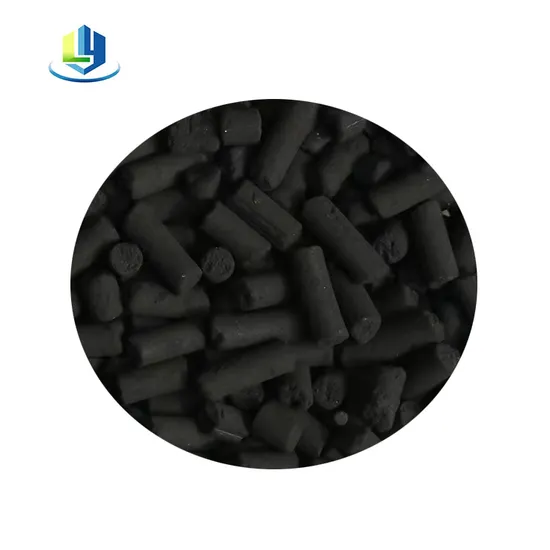
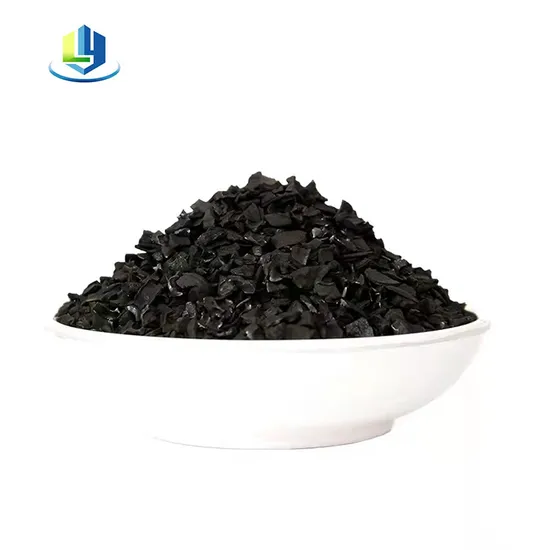
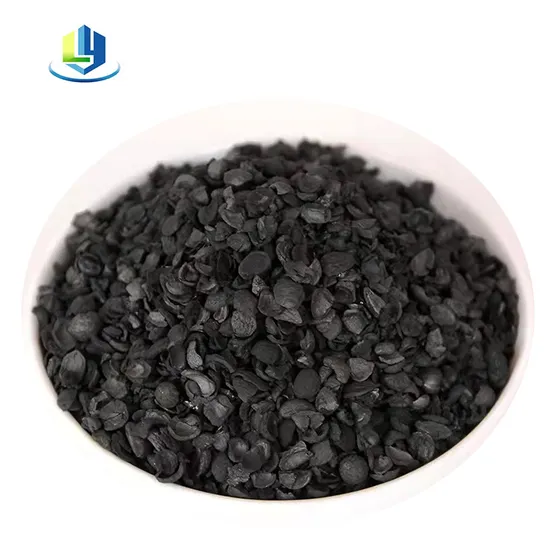
For industrial manufacturing and laboratory research purposes only.
Product Specifications
| Parameter | Value |
|---|---|
| Model NO. | Activated Carbon |
| Carbon Content | High-Carbon |
| Pore Diameter | Macroporous |
| Manufacturing Method | Physical-Chemical Method of Activated Carbon |
| Type | Gas Adsorption |
| Physical Properties | Pore Volume |
| Chemical Properties | Ph Value |
| Adsorption Properties | Methylene Blue Adsorption Value |
| CAS No. | 64365-11-3 |
| Formula | C |
| EINECS | 264-846-4 |
| Active Carbon Material | Coconut Shell Activated Carbon |
| Transport Package | 25kg, 500kg |
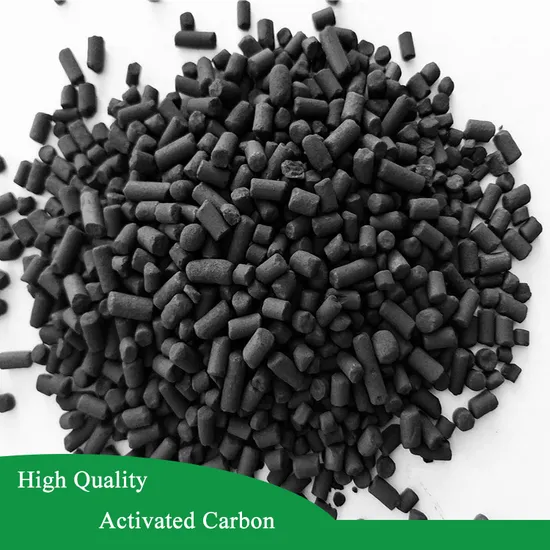
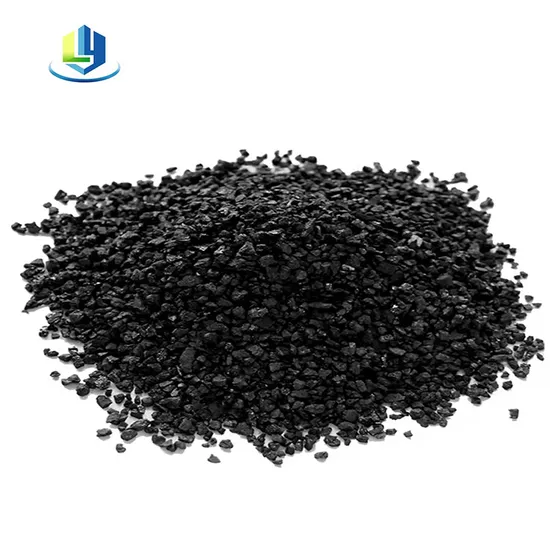
| Specification | granular |
| HS Code | 3802109000 |
Overcoming Gas Adsorption Challenges with Granular Coconut Shell Activated Carbon (CAS 64365-11-3)
Industrial gas purification processes often face critical hurdles: inconsistent adsorption efficiency due to low carbon content, inadequate pore structure limiting contaminant removal, and supply chain disruptions causing production delays. In our 10+ years serving chemical processing plants across 50+ countries, we've witnessed how substandard activated carbon can compromise both product quality and operational safety.
A Proven Solution for Reliable Gas Adsorption
Our Granular Coconut Shell Activated Carbon addresses these pain points through its high carbon content and macroporous structure, ensuring consistent performance in industrial gas treatment systems. As a trusted partner to over 10,000 industrial clients, we deliver not just a product but a complete supply chain solution—from bonded warehousing in Hong Kong to door-to-door delivery, supported by optional supply chain finance to ease capital turnover pressure.
Key Industrial Applications
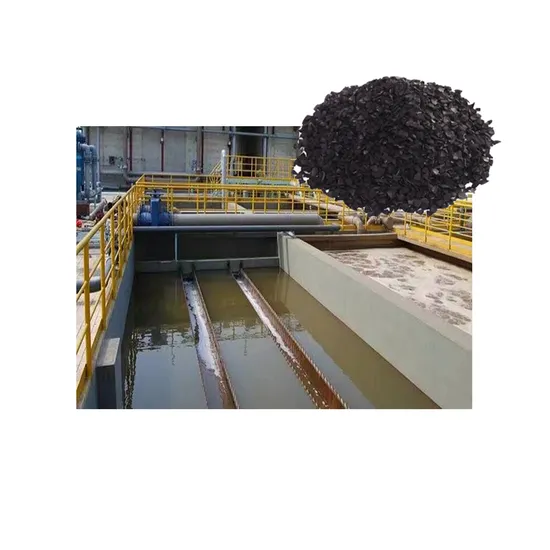
This Coconut Shell Carbon for Gas Adsorption finds extensive use in industrial environments such as chemical processing plants, natural gas purification facilities, and air pollution control systems. Its physical-chemical activation method enhances adsorption capacity for volatile organic compounds (VOCs), sulfur compounds, and other gaseous contaminants, making it ideal for pre-treatment and purification stages in manufacturing processes.
Critical Specifications for Optimal Performance
The high carbon content directly correlates with adsorption efficiency, providing more active sites for gas molecule binding. Macroporous structure ensures rapid mass transfer, crucial for high-flow industrial systems where pressure drop must be minimized. Methylene Blue Adsorption Value serves as a reliable indicator of overall adsorption capability, with our product consistently meeting industry benchmarks for industrial grade activated carbon. The granular form allows for uniform packing in adsorption columns, ensuring even gas distribution and maximum contact time.
Benefits of Choosing Our Activated Carbon
Selecting our High Carbon Granular Activated Carbon reduces operational risks associated with inferior alternatives—such as frequent bed replacement, inconsistent purification results, and potential process contamination. Manufactured under strict quality control protocols aligned with ISO 9001 standards, it ensures batch-to-batch consistency critical for scaling production processes. Our stable production capacity of 2000 tons/day guarantees uninterrupted supply, eliminating the productivity losses caused by material shortages.
Our Commitment to Quality Assurance
Every batch undergoes comprehensive testing including pore size distribution analysis, carbon content verification, and adsorption performance evaluation using standard methods. We provide a detailed Certificate of Analysis (COA) with each shipment, documenting key parameters like methylene blue adsorption value and pH. Should any specification fall outside agreed limits, we offer unconditional replacement to ensure your production goals remain on track. Our technical support team, with decades of collective experience in activated carbon applications, is available to assist with system optimization and troubleshooting.
Certificate of Analysis & Documentation
Each delivery includes a batch-specific COA and MSDS, essential for regulatory compliance and safety management. For critical applications requiring detailed verification, specific test data and chromatographic profiles can be provided upon request, ensuring full traceability from production to delivery.
Storage & Handling
- Store in a cool, dry, well-ventilated area, sealed and away from direct sunlight.
- Keep away from incompatible materials, food and feed sources.
- Handle with appropriate personal protective equipment (gloves, goggles, lab coat).
- Follow good industrial hygiene practices. Avoid inhalation and skin contact.
- Refer to MSDS for detailed storage and safety instructions.
Streamlined Order Process for Industrial Buyers
Initiate your purchase by consulting our technical team to confirm specifications matching your gas adsorption requirements. We can arrange sample testing for qualification, followed by bulk order placement with flexible delivery schedules. All shipments include complete documentation for customs clearance, leveraging our expertise in cross-border chemical logistics to ensure timely arrival at your facility.
Frequently Asked Questions
Q: What is the shelf life of this activated carbon?
A: When stored in original sealed packaging under recommended conditions, the product maintains its adsorption properties for 24 months from the manufacturing date.
Q: Can this product be used for food or pharmaceutical applications?
A: No, this product is strictly for industrial and laboratory research use only, not for direct human consumption or therapeutic applications.
What documentation is provided with each order?
A: Each shipment includes a Certificate of Analysis (COA), Material Safety Data Sheet (MSDS), and commercial invoice with HS code 3802109000 for customs clearance.
Q: Do you offer custom packaging or particle sizes?
A: Yes, we can provide custom packaging options beyond standard 25kg and 500kg formats. Particle size customization is available for bulk orders—contact our sales team for feasibility and minimum order quantities.
Q: How is the carbon content verified?
A: Carbon content is determined using elemental analysis techniques, with results documented in the batch-specific COA provided with each order.