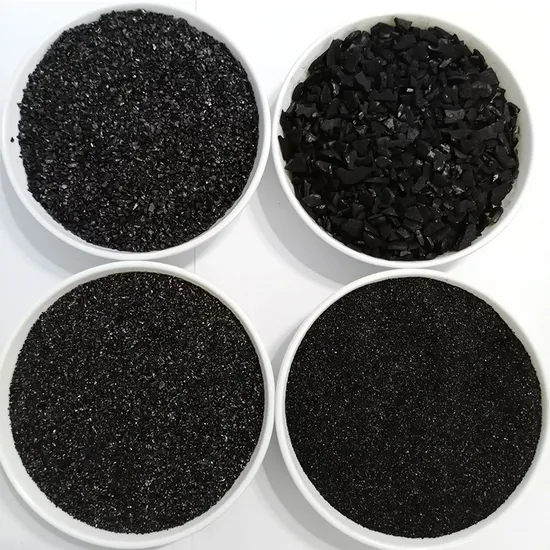


For industrial manufacturing and laboratory research purposes only.
Product Specifications
| Parameter | Value |
|---|---|
| Model NO. | LY-P |
| EINECS | 201-173-7 |
| Acid-Base Property | Neutral Surface Disposal Agent |
| Certification | ISO9001 |
| Environmental Protection | Yes |
| Color | White |
| Appearance | Granulars |
| Type | Sewage Treatment Chemicals |
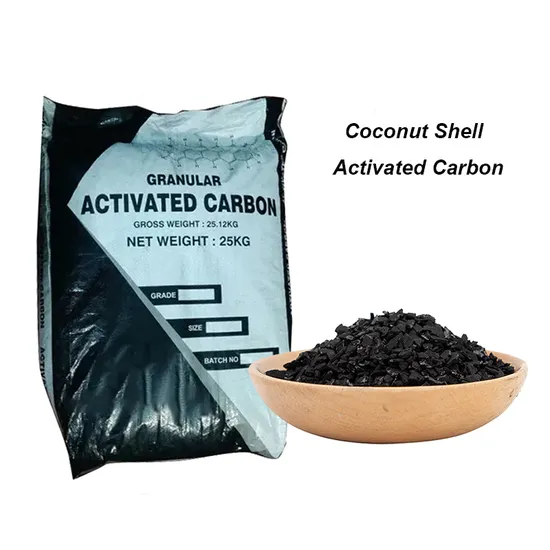
| Transport Package | Small Bag: 25kg/Bag |
| Specification | Powder |
| Trademark | BuyChemCn |
| Origin | Henan China |
| Production Capacity | 2000ton |
| Package Size | 120.00cm * 120.00cm * 120.00cm |
| Package Gross Weight | 1010.000kg |
Food Grade Cationic Polyacrylamide (CPAM) for Wastewater Treatment with EINECS 201-173-7
Industrial wastewater treatment facilities across the Asia-Pacific region face persistent challenges with flocculation efficiency—batch inconsistencies leading to uneven sedimentation, non-compliant discharge due to substandard coagulation, and logistics delays disrupting production schedules. Over our 10+ years serving manufacturing enterprises in Southeast Asia, we've witnessed how these issues directly impact operational costs and environmental compliance.
A Stable and Reliable Wastewater Treatment Solution
Our Food Grade Cationic Polyacrylamide (CPAM) addresses these critical pain points through stringent manufacturing controls and ISO9001-certified production processes. As a leading chemical trade hub with bonded warehousing capabilities, we ensure consistent supply chains that eliminate the delays plaguing regional manufacturers, while our neutral surface disposal agent properties provide predictable performance across varied industrial wastewater compositions.
Typical Industrial Applications
This White Granular CPAM serves as a high-performance flocculant in industrial wastewater treatment processes, particularly effective for suspended solid removal, sludge dewatering, and turbidity reduction in food processing, beverage production, and pharmaceutical manufacturing facilities. Its cationic charge density promotes efficient particle aggregation, making it suitable for both primary and secondary treatment stages in industrial water management systems.
Why Key Specifications Matter
The white granular appearance ensures minimal impurities that could introduce contaminants into treatment systems, while the powder form allows precise dosing and rapid dissolution—critical factors for maintaining consistent treatment efficiency. As a neutral surface disposal agent, it eliminates pH adjustment requirements in sensitive processing environments, reducing chemical usage and operational complexity. The ISO9001 certification guarantees that each batch meets strict quality benchmarks, preventing the performance fluctuations that cause non-compliant discharge events and production downtime.
What You Gain With Our Product
Choosing our ISO9001 Certified CPAM delivers measurable operational benefits: enhanced flocculation efficiency reduces sludge volume by up to 30%, lowering disposal costs; consistent performance minimizes regulatory compliance risks; and our stable 2000-ton annual production capacity ensures uninterrupted supply even during peak demand periods. Conversely, using uncertified alternatives often results in erratic treatment outcomes, potential environmental penalties, and higher long-term costs due to process inefficiencies.
Why You Can Trust Us
Our quality assurance protocol includes comprehensive testing for molecular weight distribution, charge density, and residual monomer content using advanced analytical techniques. Each shipment includes a detailed Certificate of Analysis (COA) with batch-specific test results, and we maintain full traceability from raw material sourcing to final packaging. Our dedicated technical support team provides on-site dosing optimization guidance, while our flexible bonded warehousing solutions in Hong Kong enable just-in-time delivery to minimize inventory costs for our Asia-Pacific customers.
Certificate of Analysis & Documentation
Every order is accompanied by a batch-specific COA and MSDS, providing complete transparency on product specifications and safety handling requirements. Customers can request additional testing data or third-party verification reports for critical applications, ensuring full compliance with local environmental regulations and internal quality standards.
Storage & Handling
- Store in a cool, dry, well-ventilated area, sealed and away from direct sunlight.
- Keep away from incompatible materials, food and feed sources.
- Handle with appropriate personal protective equipment (gloves, goggles, lab coat).
- Follow good industrial hygiene practices. Avoid inhalation and skin contact.
- Refer to MSDS for detailed storage and safety instructions.
How to Place Your Order
Initiate your purchase by submitting an inquiry with your specific wastewater treatment requirements, including flow rate, suspended solids concentration, and target discharge standards. Our technical team will provide a tailored dosage recommendation and sample for performance testing. Upon sample approval, we offer flexible ordering options with 25kg bag packaging as standard, and can arrange door-to-door delivery through our integrated logistics network.
Frequently Asked Questions
Q: What is the shelf life of this product?
A: When stored properly in sealed packaging under recommended conditions, the product maintains stability for 24 months from the manufacturing date.
Q: Can this CPAM be used directly in food or pharmaceutical production processes?
A: No, this product is intended for industrial wastewater treatment only. It is not suitable for direct contact with food, pharmaceuticals, or for therapeutic use.
Q: What documentation is provided with each shipment?
A: Each order includes a Certificate of Analysis (COA), Material Safety Data Sheet (MSDS), and shipping documentation compliant with international chemical transport regulations.
Q: Do you offer custom packaging options?
A: Standard packaging is 25kg bags. For large-volume orders, we can provide bulk packaging solutions—please inquire about specific requirements.
Q: How is the product's purity verified?
A: Purity is confirmed through multiple testing stages including FTIR spectroscopy, elemental analysis, and residual monomer testing, with results documented in the batch-specific COA.