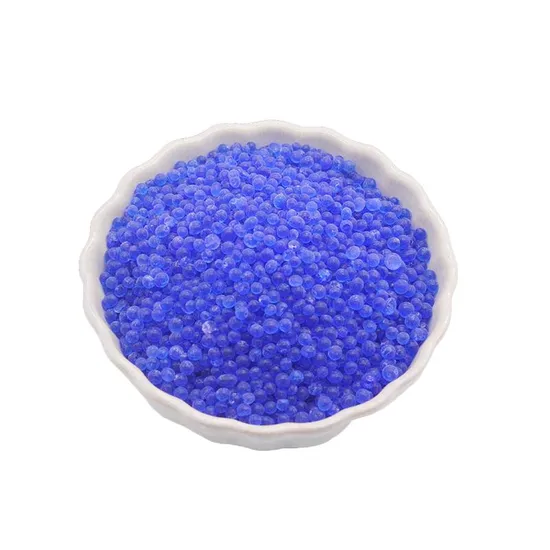
For industrial manufacturing and laboratory research purposes only.
Product Specifications
| Parameter | Value |
|---|---|
| Model NO. | Coconut Activated Carbon |
| Active Carbon Material | Wooden Activated Carbon |
| Carbon Content | High-Carbon |
| Pore Diameter | Macroporous |
| Manufacturing Method | Chemical Method of Activated Carbon |
| Physical Properties | Shape |
| Chemical Properties | Ash Content |
| Adsorption Properties | Methylene Blue Adsorption Value |
| CAS No. | 64365-11-3 |
| Formula | C |
| EINECS | 264-846-4 |
| Artificial Graphite Type | Activated Carbon |
| Type | Water Treatment |
| Transport Package | 25kg 500kg |
| Specification | granular |
| Trademark | BuyChemCn |
| Origin | China |
| Production Capacity | 1000 Ton/Month |
Addressing Water Treatment Challenges with Coconut Shell Activated Carbon N220 (CAS 64365-11-3)
Industrial water treatment facilities and research laboratories often face critical hurdles: inconsistent adsorption performance leading to non-compliant effluent discharge, batch-to-batch variability disrupting experimental reproducibility, and supply chain delays halting production lines. Over our 10+ years servicing 50+ countries, we’ve witnessed how substandard activated carbon can compromise both process efficiency and regulatory compliance.
A Stable Solution for Industrial Water Treatment
Our Coconut Shell Activated Carbon N220 directly addresses these pain points through its high-carbon content and macroporous structure, ensuring reliable contaminant adsorption in industrial water treatment processes. Backed by a monthly production capacity of 1000 tons and a supply chain network serving Asia-Pacific chemical traders and multinational procurement centers, we deliver consistent quality even for large-scale industrial requirements.
Industrial Applications of Coconut Shell Activated Carbon N220
This Water Treatment Coconut Carbon is specifically engineered for industrial scenarios including heavy metal ion removal in manufacturing wastewater, organic pollutant adsorption in petrochemical processing, and pretreatment of feedwater in power generation facilities. Its granular form and macroporous properties make it suitable for fixed-bed and fluidized-bed systems commonly used in industrial water treatment plants.
Key Specifications Driving Performance
The high-carbon content of this activated carbon directly enhances adsorption capacity, allowing for longer service cycles and reduced replacement frequency in industrial systems. Macroporous pore diameter structure optimizes flow dynamics, minimizing pressure drop in treatment equipment while maintaining contact efficiency. The chemical activation method ensures consistent pore distribution, critical for reproducible performance in both production processes and laboratory research. Methylene Blue Adsorption Value, a key indicator of adsorption capability, quantifies its effectiveness for organic contaminant removal.
Benefits of High-Quality Activated Carbon
Using our High-Carbon Coconut Shell Activated Carbon for Water Treatment reduces operational risks associated with inferior products, such as sudden performance degradation or premature breakthrough of contaminants. Compliant with industrial material standards, it supports adherence to environmental regulations and reduces liability exposure. The stable supply from our 1000 Ton/Month production capacity eliminates the hidden costs of production downtime caused by material shortages, ultimately delivering better total cost of ownership compared to cheaper, less reliable alternatives.
Our Commitment to Quality Assurance
Every batch of Coconut Shell Activated Carbon undergoes rigorous testing, including adsorption efficiency verification and ash content analysis, with results documented in a Certificate of Analysis (COA). Our manufacturing process follows strict quality control protocols to ensure batch consistency, addressing the common industry concern of variability. We provide comprehensive technical support to help optimize carbon usage in specific water treatment applications, and offer replacement for any product failing to meet specified parameters.
Certificate of Analysis & Documentation
Each shipment includes a batch-specific COA and MSDS, providing detailed technical parameters and safety handling information. For research institutions requiring detailed characterization data, additional testing reports can be made available upon request, ensuring full transparency and traceability of the product's quality attributes.
Storage & Handling
- Store in a cool, dry, well-ventilated area, sealed and away from direct sunlight.
- Keep away from incompatible materials, food and feed sources.
- Handle with appropriate personal protective equipment (gloves, goggles, lab coat).
- Follow good industrial hygiene practices. Avoid inhalation and skin contact.
- Refer to MSDS for detailed storage and safety instructions.
Streamlined Order Process for Industrial Buyers
Initiate your purchase by submitting an inquiry with your specific requirements, including desired packaging (25kg or 500kg options). We can arrange sample provision for qualification testing prior to full-scale order placement. All industrial orders include comprehensive documentation package (COA, MSDS) to facilitate customs clearance and internal quality control processes.
Frequently Asked Questions
Q: What is the recommended shelf life for this activated carbon?
A: When stored properly in sealed packaging under recommended conditions, the product maintains its adsorption properties for 24 months from the manufacturing date.
Q: Can this product be used for potable water treatment or food processing applications?
A: No. This product is FOR INDUSTRIAL AND LABORATORY RESEARCH USE ONLY and not suitable for applications involving direct human consumption.
Q: What documentation is provided with each shipment?
A: Each order includes a Certificate of Analysis (COA) specific to the batch and Material Safety Data Sheet (MSDS).
Q: Is custom packaging available beyond the standard 25kg and 500kg options?
A: Custom packaging solutions can be discussed for large-volume industrial orders. Please specify your requirements during the inquiry process.
Q: How is the carbon content verified in your quality control process?
A: Carbon content is determined through elemental analysis following standard industrial testing protocols, with results reported in the batch-specific COA.