For industrial manufacturing and laboratory research purposes only.
Product Specifications
| Parameter | Value |
|---|---|
| Model NO. | Activated Carbon |
| Active Carbon Material | Wooden Activated Carbon |
| Carbon Content | High-Carbon |
| Pore Diameter | Macroporous |
| Manufacturing Method | Physical-Chemical Method of Activated Carbon |
| Type | Gas Adsorption |
| Physical Properties | Shape |
| Chemical Properties | Ash Content |
| Adsorption Properties | Methylene Blue Adsorption Value |
| CAS No. | 64365-11-3 |
| Formula | C |
| EINECS | 264-846-4 |
| Artificial Graphite Type | Activated Carbon |
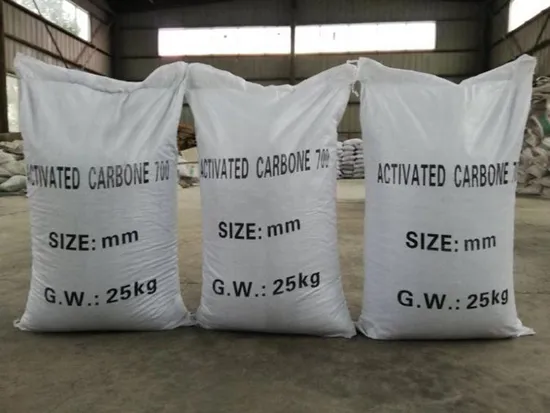
| Transport Package | 25kg 500kg |
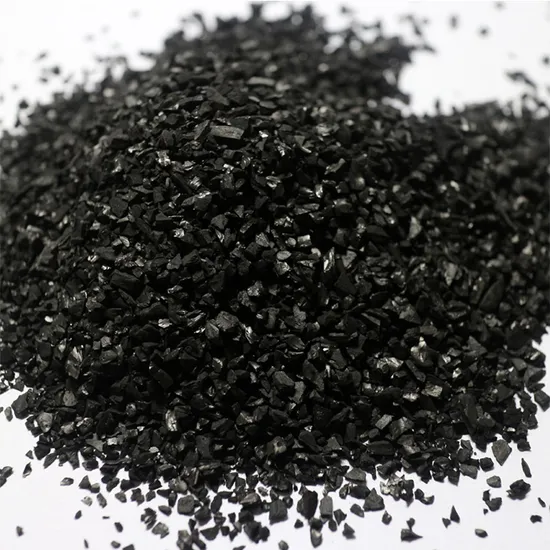
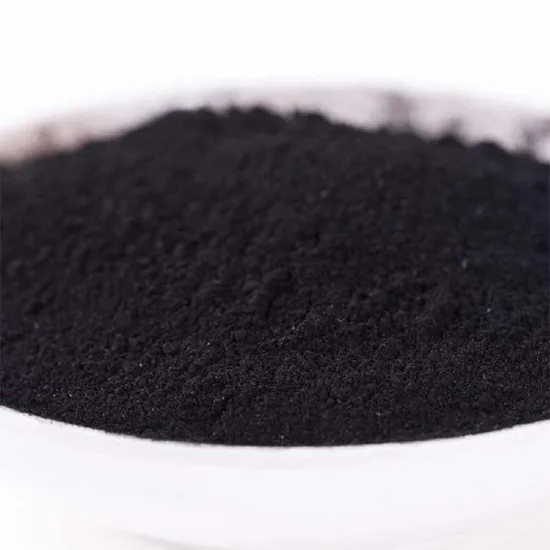
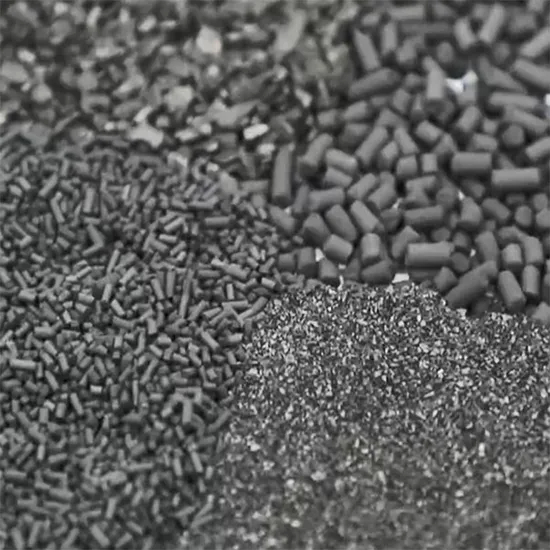
| Specification | Powder Granular |
| Origin | Henan China |
| Production Capacity | 100000tons /Year |
Consistent Gas Adsorption Performance with Activated Charcoal (CAS 64365-11-3) for Industrial Processes
Industrial and laboratory operations relying on gas adsorption often face critical challenges: inconsistent adsorption efficiency due to variable carbon content, batch-to-batch performance fluctuations that disrupt process reliability, and supply chain delays that halt production schedules. In our 10+ years serving 50+ countries, we’ve seen how these issues directly impact manufacturing yields and research reproducibility—compromising both time and resource investments.
High-Carbon Activated Charcoal: Engineered for Reliable Gas Adsorption
Our Coal Based Activated Charcoal Powder and High-Carbon Granular Coconut Shell Type address these pain points through rigorous manufacturing control. As a specialized supplier with a production capacity of 100,000 tons/year, we deliver Activated Charcoal optimized for gas adsorption applications, ensuring consistent performance across industrial facilities and research laboratories in the Asia-Pacific region and beyond.
Industrial Applications of Gas Adsorption Activated Charcoal
This High-Carbon Activated Charcoal is widely utilized in industrial gas purification processes, including volatile organic compound (VOC) removal, natural gas sweetening, and air pollution control systems. Its macroporous structure and high methylene blue adsorption value make it suitable for laboratory-scale gas separation studies and large-scale manufacturing operations requiring efficient contaminant removal.
Key Specifications Driving Adsorption Efficacy
The High-Carbon content of our Activated Charcoal directly enhances adsorption capacity, providing a larger surface area for gas molecule binding compared to standard carbon materials. Macroporous pore diameter ensures rapid gas diffusion, critical for high-flow industrial systems where processing speed cannot be compromised. The physical-chemical activation method further optimizes pore structure uniformity, reducing performance variability between batches—essential for maintaining consistent product quality in manufacturing and reliable data in research.
The Advantage of Quality Activated Charcoal in Industrial Operations
Choosing compliant, high-performance Activated Charcoal minimizes operational risks: poor-quality alternatives with inconsistent carbon content often lead to incomplete gas purification, resulting in product contamination or regulatory non-compliance. Our strict production standards ensure low ash content, reducing equipment fouling and maintenance costs over time. With a focus on supply chain stability, we mitigate the risk of production downtime caused by material shortages—a critical advantage for facilities operating on tight production schedules.
Our Commitment to Quality and Reliability
Every batch of our Activated Charcoal undergoes comprehensive testing, including methylene blue adsorption value analysis and ash content verification, with results documented in a Certificate of Analysis (COA) provided with each shipment. Our state-of-the-art manufacturing facilities adhere to strict quality control protocols, ensuring that each 25kg or 500kg package meets the same high standards. Should any product fail to match specifications, we offer unconditional replacement—backed by our decade-long reputation for supporting industrial and research clients.
Certificate of Analysis & Documentation
Each order includes a batch-specific COA detailing key parameters such as carbon content, pore diameter, and adsorption performance, along with an MSDS for safe handling. For specialized research needs, detailed test data and validation reports can be requested using your order reference number.
Storage & Handling
- Store in a cool, dry, well-ventilated area, sealed and away from direct sunlight.
- Keep away from incompatible materials, food and feed sources.
- Handle with appropriate personal protective equipment (gloves, goggles, lab coat).
- Follow good industrial hygiene practices. Avoid inhalation and skin contact.
- Refer to MSDS for detailed storage and safety instructions.
Streamlined Order Process for Industrial Buyers
To ensure your specific requirements are met, our process begins with a detailed consultation to confirm granular/powder specifications and application needs. Sample evaluation is available for qualification testing, followed by bulk ordering with flexible delivery options via our integrated logistics network. All shipments include the necessary documentation for customs clearance, supporting efficient cross-border procurement.
Frequently Asked Questions
Q: What is the shelf life of this Activated Charcoal?
A: When stored properly in sealed packaging under recommended conditions, the product maintains stability for 24 months from the production date.
Q: Can this product be used for food or pharmaceutical applications?
A: No, this Activated Charcoal is supplied FOR INDUSTRIAL AND LABORATORY RESEARCH USE ONLY and is not suitable for direct human consumption or medical purposes.
Q: What documentation is provided with each order?
A: Each shipment includes a Certificate of Analysis (COA) and Material Safety Data Sheet (MSDS).
Q: Is custom packaging available?
A: Standard packaging is 25kg or 500kg; custom packaging options may be available for large-volume orders—please contact our sales team for details.
Q: How is the carbon content verified?
A: Carbon content is determined through elemental analysis, with results reported in the batch-specific COA.