For industrial manufacturing and laboratory research purposes only.
Product Specifications
| Parameter | Value |
|---|---|
| Model NO. | Polyacrylamide |
| EINECS | 201-173-7 |
| Acid-Base Property | Neutral Surface Disposal Agent |
| Certification | ISO |
| Environmental Protection | Yes |
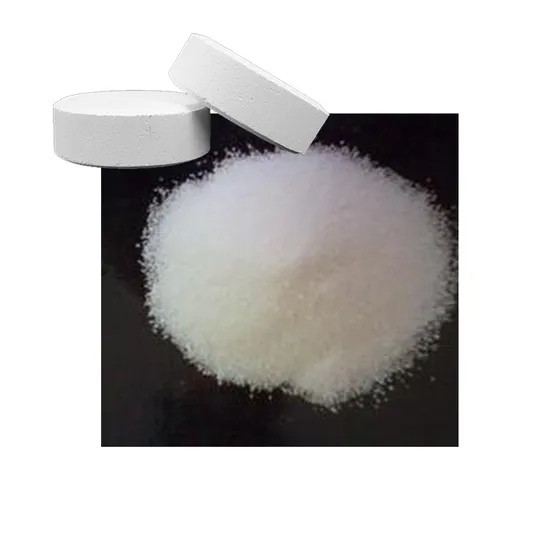
| Color | White |
| Appearance | Powder |
| Type | Sewage Treatment Chemicals |
| Delivery Time | 7-15days |
| Logo Customization | Support |
| Ionic | Anionic Cationic Nonionic |
| Purity | 99% |
| MOQ | 1ton |
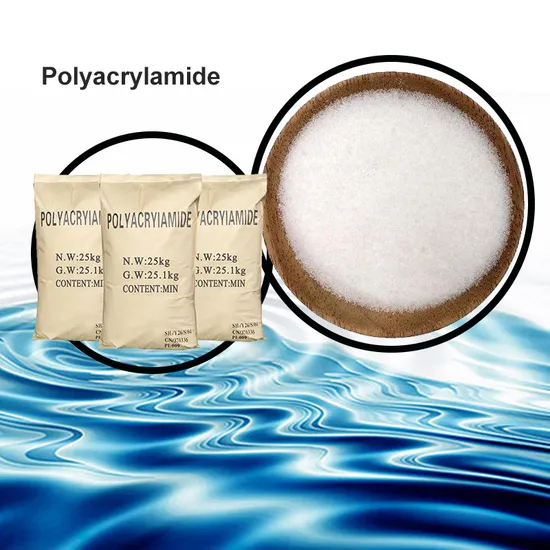
| Transport Package | 25kg/Bag, 1ton/Bag |
| Specification | 25kg/bag, 1ton/bag |
| Trademark | BuyChemCn |
| Origin | Henan, China |
| HS Code | 3906901000 |
| Production Capacity | 400ton/Month |
| Package Size | 50.00cm * 35.00cm * 18.00cm |
| Package Gross Weight | 25.100kg |
Addressing Sewage Treatment Challenges with Cationic Polyacrylamide PAM (EINECS 201-173-7)
Industrial wastewater treatment facilities across Southeast Asia frequently face critical issues that compromise operational efficiency: inconsistent flocculation performance due to varying polymer quality, prolonged sedimentation times caused by substandard cationic PAM, and unplanned production halts from unreliable chemical supplies. In our 10+ years serving manufacturing enterprises in the region, we've witnessed how these challenges directly impact water treatment costs and environmental compliance efforts.
A Stable Solution for Reliable Sewage Treatment
Our Cationic Polyacrylamide PAM Powder addresses these industry pain points through rigorous manufacturing controls and a supply chain optimized for the Asia-Pacific market. As a leading chemical trade hub with bonded warehousing and cross-border logistics expertise, we ensure consistent product quality from production to delivery, supporting the specific needs of sewage treatment plants and industrial manufacturing facilities throughout Southeast Asia.
Industrial Applications in Wastewater Management
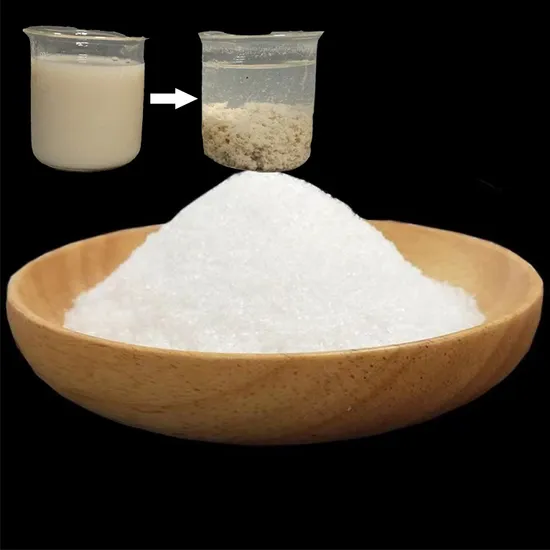
This 99% purity PAM Powder serves as a high-performance flocculant in industrial sewage treatment processes, effectively aggregating suspended particles for efficient solid-liquid separation. Its cationic properties make it particularly suitable for treating organic-rich wastewater streams in textile, printing, and chemical manufacturing industries, where precise flocculation control is essential for meeting discharge standards.
Key Specifications for Optimal Performance
The 99% purity of our Cationic PAM minimizes impurities that could interfere with flocculation kinetics, ensuring predictable performance across varying wastewater compositions. Its white powder appearance indicates strict manufacturing cleanliness, while the neutral surface disposal agent properties reduce equipment corrosion risks in treatment systems. The consistent ionic character batch-to-batch eliminates the need for frequent process adjustments, maintaining operational stability in continuous wastewater treatment operations.
Benefits of ISO-Certified Cationic PAM
Choosing our ISO-certified Cationic Polyacrylamide PAM Powder delivers measurable operational advantages: reduced chemical consumption through higher flocculation efficiency, lower sludge disposal costs from improved solid separation, and enhanced compliance with environmental regulations. Unlike inferior products that may introduce heavy metals or inconsistent performance, our严格 quality controlled PAM ensures long-term process reliability while protecting downstream treatment infrastructure.
Our quality assurance framework ensures product integrity through comprehensive testing protocols. Each production batch undergoes Fourier-transform infrared spectroscopy (FTIR) analysis to verify molecular structure, while viscosity and charge density measurements confirm performance characteristics. With a monthly production capacity of 400 tons, we maintain buffer stocks in strategic bonded warehouses to ensure 7-15 day delivery windows even during peak demand periods. Every shipment includes a detailed Certificate of Analysis documenting all critical quality parameters.
Certificate of Analysis & Documentation
Each order is accompanied by a batch-specific Certificate of Analysis and Safety Data Sheet (MSDS) containing complete quality specifications and handling instructions. Detailed analytical reports, including FTIR spectra and purity chromatograms, are available upon request for verification and regulatory compliance purposes.
Storage & Handling
- Store in a cool, dry, well-ventilated area, sealed and away from direct sunlight.
- Keep away from incompatible materials, food and feed sources.
- Handle with appropriate personal protective equipment (gloves, goggles, lab coat).
- Follow good industrial hygiene practices. Avoid inhalation and skin contact.
- Refer to MSDS for detailed storage and safety instructions.
Streamlined Ordering Process
Our procurement process is designed for industrial efficiency: submit an inquiry specifying your required quantity and technical requirements, receive a comprehensive quotation including logistics and documentation, confirm your order with a purchase order, and receive your shipment with complete documentation within 7-15 days. We offer flexible packaging options (25kg/bag or 1ton/bag) to suit your storage and handling capabilities.
Frequently Asked Questions
Q: What is the shelf life of the Cationic PAM Powder?
A: When stored properly in sealed packaging under recommended conditions, the product maintains its performance characteristics for 24 months from the date of manufacture.
Q: Is this product suitable for direct use in food or pharmaceutical applications?
A: No, this product is intended exclusively for industrial and laboratory research use. It is not for direct human consumption, therapeutic, or household use.
Q: What documentation is provided with each shipment?
A: Each shipment includes a Certificate of Analysis (COA), Safety Data Sheet (MSDS), and commercial invoice. Additional documentation for customs clearance is available upon request.
Q: Can the packaging be customized with our company logo?
A: Yes, logo customization is supported for orders meeting the minimum quantity requirement of 1 ton.
Q: How is the product's purity verified?
A: Purity is determined through a combination of analytical techniques including elemental analysis, FTIR spectroscopy, and gel permeation chromatography, with results documented in the batch-specific COA.