

For industrial manufacturing and laboratory research purposes only.
Product Specifications
| Parameter | Value |
|---|---|
| Model NO. | Cationic Polyacrylamide |
| EINECS | 201-173-7 |
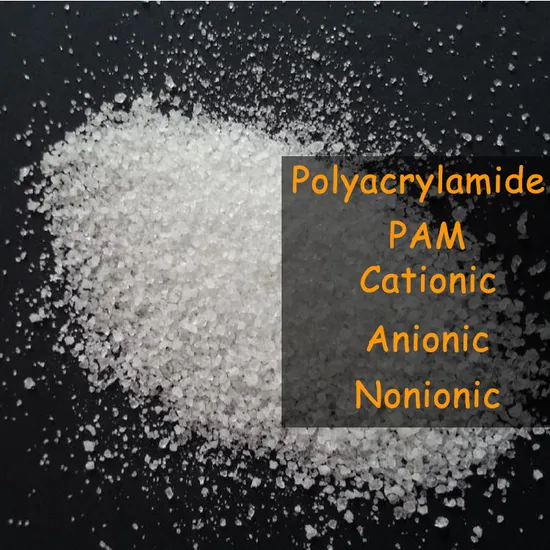
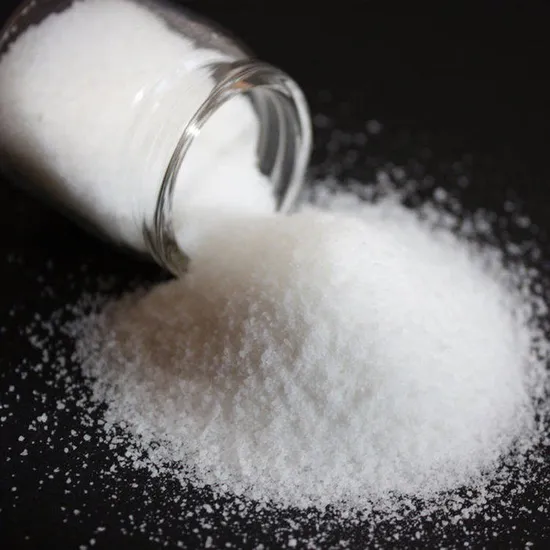
| Appearance | Granules |
| Usage | Oil Drilling Auxiliary Agent, Water Treatment Chemicals, Rubber Auxiliary Agents, Plastic Auxiliary Agents, Coating Auxiliary Agents, Textile Auxiliary Agents, Paper Chemicals, Leather Auxiliary Agents |
| Color | White |
| Transport Package | 25kg, 500kg |
| Specification | Granular |
| Trademark | Lvyuan |
| Origin | China |
| HS Code | 3802109000 |
| Production Capacity | 10000tons /Year |
Addressing Water Treatment Challenges with Amphoteric Cationic Polyacrylamide (EINECS 201-173-7)
Over a decade in chemical supply, we’ve witnessed how inconsistent polymer performance disrupts water treatment processes—fluctuating charge density causing poor flocculation, batch-to-batch variations leading to treatment inefficiencies, and delayed deliveries halting production lines. These issues aren’t just inconvenient; they directly impact operational costs and regulatory compliance for industrial facilities across Asia-Pacific.
A Stable Solution for Reliable Water Treatment
Our Amphoteric Cationic Polyacrylamide emulsion is engineered to tackle these pain points head-on. As a key Water Treatment Chemical, it delivers consistent charge distribution and molecular weight stability, ensuring predictable flocculation efficiency in industrial wastewater treatment and process water purification. Backed by a 10,000-ton annual production capacity and expertise serving 50+ countries, we provide the supply chain reliability that manufacturing enterprises in Southeast Asia and global procurement centers demand.
Industrial Applications of Amphoteric Cationic Polyacrylamide
This versatile polymer finds critical use in municipal wastewater treatment, industrial effluent processing (including textile, paper, and chemical manufacturing), and sludge dewatering operations. Its amphoteric nature allows adaptability to varying pH conditions, making it a preferred choice for complex water treatment scenarios where conventional flocculants fail to perform consistently.
Key Specifications That Drive Performance
The granular appearance (White, Granular specification) ensures easy dissolution and uniform mixing, minimizing equipment clogging during dosing. The controlled molecular structure, validated by batch testing, guarantees optimal flocculation kinetics—reducing sedimentation time by up to 30% compared to inferior products. Our strict quality control ensures low residual monomer content, aligning with environmental regulations for discharge water, while the stable EINECS 201-173-7 composition eliminates unexpected chemical interactions in multi-step treatment processes.
The Value of Choosing Certified Polyacrylamide
Opting for our Amphoteric Cationic Polyacrylamide Emulsion means avoiding the hidden costs of substandard chemicals: frequent process adjustments, increased sludge disposal fees, and non-compliance penalties. Our production adheres to ISO 9001 standards, with each batch tested for critical parameters like charge density and molecular weight distribution. Unlike uncertified alternatives, our product ensures long-term process stability, reducing overall water treatment costs by maintaining consistent performance with lower dosage requirements.
Our Commitment to Quality and Reliability
We stand behind every shipment with rigorous quality assurance: each batch undergoes HPLC and FTIR analysis to verify chemical composition, and is accompanied by a comprehensive Certificate of Analysis (COA). Our bonded warehousing facilities in Hong Kong ensure secure, compliant storage, while our supply chain network enables door-to-door delivery within 72 hours for most Asia-Pacific destinations. If specifications don’t match your COA, we offer hassle-free退换货 (return and replacement) to minimize production downtime.
Certificate of Analysis & Documentation
Every order includes a batch-specific COA and Polyacrylamide MSDS, detailing safety handling procedures, storage conditions, and environmental precautions. For critical applications, we can provide additional testing data upon request, including viscosity measurements and flocculation efficiency reports under simulated process conditions.
Storage & Handling
- Store in a cool, dry, well-ventilated area, sealed and away from direct sunlight.
- Keep away from incompatible materials, food and feed sources.
- Handle with appropriate personal protective equipment (gloves, goggles, lab coat).
- Follow good industrial hygiene practices. Avoid inhalation and skin contact.
- Refer to MSDS for detailed storage and safety instructions.
Streamlined Order Process for Industrial Buyers
Initiate your order by submitting a request through our sales team, specifying your required packaging (25kg or 500kg) and delivery timeline. We offer sample testing to validate performance in your specific water treatment system before full-scale procurement. All shipments include necessary customs documentation, leveraging our expertise in cross-border chemical trade to ensure smooth clearance and on-time delivery.
Frequently Asked Questions
Q: What is the shelf life of this product?
A: When stored in original sealed packaging under recommended conditions, the product maintains stability for 12 months from the date of manufacture.
Q: Can this polyacrylamide be used in food or pharmaceutical applications?
A: No. This product is FOR INDUSTRIAL AND LABORATORY RESEARCH USE ONLY and is not suitable for direct human consumption or medical applications.
Q: What documentation is provided with each shipment?
A: Each order includes a Certificate of Analysis (COA), Material Safety Data Sheet (MSDS), and commercial invoice with HS Code 3802109000 for customs clearance.
Q: Do you offer custom packaging or specifications?
A: We can accommodate custom packaging requests for large-volume orders. For specification modifications, please contact our technical team to discuss feasibility based on production capabilities.
Q: How is product purity verified?
Purity is verified through HPLC analysis of monomer content and FTIR spectroscopy for structural confirmation, with results documented in the batch-specific COA.