
For industrial manufacturing and laboratory research purposes only.
Product Specifications
| Parameter | Value |
|---|---|
| CAS No. | 64365-11-3 |
| EINECS | 264-846-4 |
| Formula | C |
| Carbon Content | High-Carbon |
| Pore Diameter | Macroporous |
| Manufacturing Method | Chemical Method of Activated Carbon |
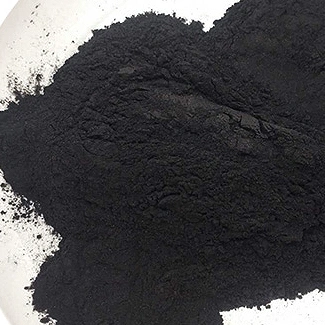
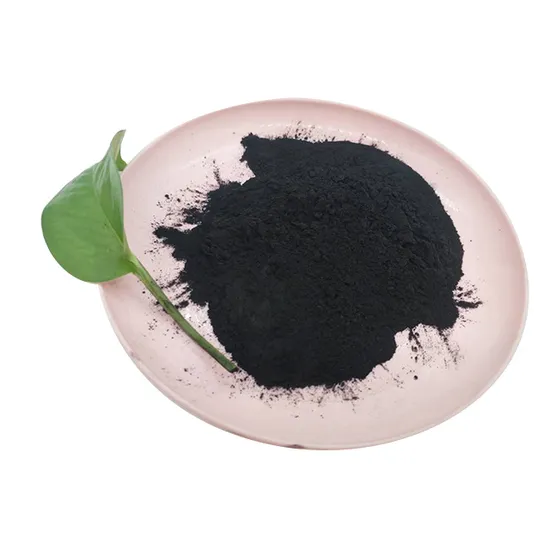
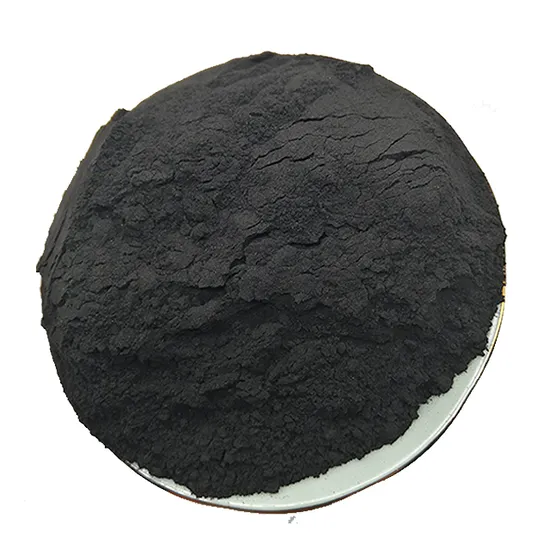
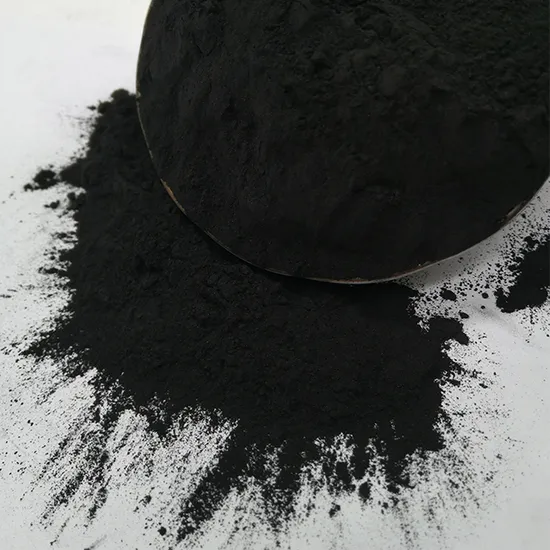
| Appearance | Powder |
| Adsorption Properties | Methylene Blue Adsorption Value |
| Type | Decolorization & Deodorization, Alcohol Purification |
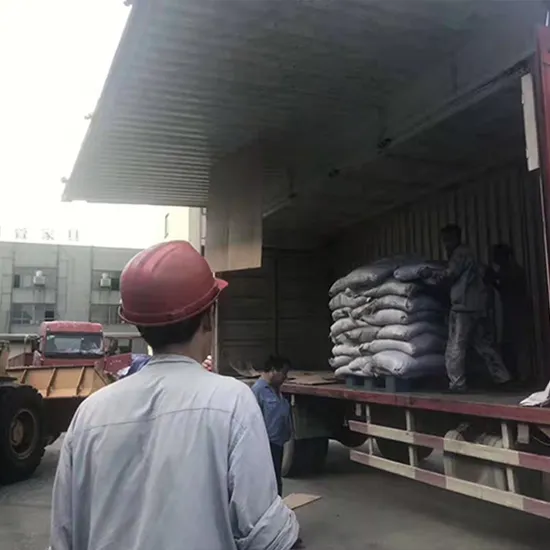
| Transport Package | 25kg/500kg |
| Origin | China |
| Production Capacity | 1000 Ton/Month |
| Trademark | LvYuan |
Overcoming Decolorization Challenges in Pharmaceutical Manufacturing with Coconut Shell Activated Carbon Powder (CAS 64365-11-3)
For over a decade in the fine chemical industry, we've witnessed how inconsistent activated carbon quality can derail pharmaceutical production—unstable decolorization efficiency leading to batch rejections, fluctuating methylene blue adsorption causing process variability, and supply chain disruptions delaying critical manufacturing timelines. These challenges not only increase operational costs but also compromise the reliability of research outcomes and industrial scale-up.
High-Performance Coconut Shell Activated Carbon Powder for Reliable Decolorization
Our Activated Carbon Powder Coconut Shell for Pharmacy Decolorization addresses these pain points through a specialized chemical activation process that ensures consistent macroporous structure and high-carbon content. With a production capacity of 1000 tons per month and 10+ years serving 50+ countries, we provide the stability that pharmaceutical manufacturers and research institutions require for their critical decolorization processes.
Industrial Applications of Pharmacy Grade Decolorization Carbon
This coconut shell activated carbon powder is specifically designed for industrial-scale decolorization in pharmaceutical intermediate production, alcohol purification, and laboratory research applications. Its macroporous structure delivers exceptional performance in removing organic impurities and colorants from liquid solutions, making it an essential material in fine chemical manufacturing and analytical research workflows.
Key Specifications Driving Decolorization Efficiency
The high-carbon content of our coconut shell powder carbon directly influences adsorption capacity, ensuring maximum removal of target colorants in a single pass. The macroporous structure facilitates rapid mass transfer, reducing processing time and energy consumption. The chemical activation method guarantees uniform pore size distribution, which is critical for consistent performance across batches. These specifications collectively minimize process variability and maximize yield in pharmaceutical manufacturing environments.
Benefits of Using High-Quality Pharmacy Decolorization Carbon
Choosing our Pharmacy Grade Decolorization Carbon reduces production risks associated with inferior adsorbents—lower rejection rates, decreased reprocessing costs, and improved process predictability. Our strict quality control aligns with industrial standards, ensuring compliance with manufacturing requirements and facilitating smoother regulatory submissions. The consistent performance translates to long-term cost savings by optimizing material usage and reducing process downtime.
Our Commitment to Quality and Reliability
Every batch of our coconut shell activated carbon powder undergoes comprehensive testing, including methylene blue adsorption value analysis and physical property verification. We provide detailed Certificates of Analysis with each shipment, and maintains full traceability of raw materials and production processes. Our dedicated technical support team offers expert guidance on optimal application parameters, ensuring customers achieve the best possible results from our products.
Certificate of Analysis & Documentation
Each delivery includes a batch-specific Certificate of Analysis (COA) detailing key quality parameters and adsorption performance data. Material Safety Data Sheets (MSDS) are provided to ensure safe handling and storage. For research institutions requiring detailed characterization, supplementary test reports can be requested to support experimental validation and publication requirements.
Storage & Handling
- Store in a cool, dry, well-ventilated area, sealed and away from direct sunlight.
- Keep away from incompatible materials, food and feed sources.
- Handle with appropriate personal protective equipment (gloves, goggles, lab coat).
- Follow good industrial hygiene practices. Avoid inhalation and skin contact.
- Refer to MSDS for detailed storage and safety instructions.
Simplified Ordering Process for Industrial Buyers
Initiate your purchase with a simple online inquiry specifying your required quantity and application details. We can provide small sample quantities for pre-production testing, followed by bulk orders tailored to your manufacturing schedule. All shipments include complete documentation to facilitate customs clearance and quality control procedures, ensuring a seamless supply chain experience.
Frequently Asked Questions
Q: What is the shelf life of this activated carbon powder?
A: When stored properly in sealed containers under recommended conditions, the product maintains its adsorption properties for 24 months from the date of manufacture.
Q: Can this product be used directly in pharmaceutical products for human consumption?
A: No. This product is for industrial and laboratory research use only, not for direct human consumption, therapeutic or household use.
Q: What documentation is provided with each shipment?
A: Each shipment includes a Certificate of Analysis (COA) and Material Safety Data Sheet (MSDS). Additional testing reports are available upon request.
Q: Do you offer custom packaging options?
A: Standard packaging is 25kg or 500kg. Custom packaging solutions may be available for large-volume orders; please contact our sales team for details.
Q: How is the methylene blue adsorption value tested?
A: Methylene blue adsorption is determined using standard industrial testing methods, with results provided in the batch-specific COA for verification.


